
Inicio > Artes > Música > Credo in unum Deum
Credo in unum Deum

Credo in unum Deum

Christian Deuper

26,24 €
IVA incluido
Disponible
Editorial:
GRIN Verlag
Año de edición:
2008
Materia
Música
ISBN:
9783638922128
26,24 €
IVA incluido
Disponible

Selecciona una librería:

  • Librería Samer Atenea
  • Librería Aciertas (Toledo)
  • Kálamo Books
  • Librería Perelló (Valencia)
  • Librería Elías (Asturias)
  • Donde los libros
  • Librería Kolima (Madrid)
  • Librería Proteo (Málaga)

Studienarbeit aus dem Jahr 2005 im Fachbereich Musik - Sonstiges, Note: 1,3, Universität Osnabrück (Institut für Musik / Musikwissenschaft), Veranstaltung: Seminar: Johann Sebastian Bach, Missa h-Moll, Sprache: Deutsch, Abstract: Die Betrachtungen beziehen sich auf den ersten Satz „Credo in unum Deum' des Symbolum Nicenum (aus der h-Moll-Messe BWV 232) von Johann Sebastian Bach. Ich teile die Arbeit in zwei Hauptkapitel. Das erste widmet sich den Voraussetzungen für das Verständnis dieser Komposition: Dem Text (dem nicaenischen Glaubensbekenntnis), der Credo-Intonation (die Bach nicht praktiziert, an die er sich aber anlehnt), dem Fugenthema (einem gregorianischen Cantus firmus) sowie der Zahlensymbolik (bezogen auf die Zahl Sieben, die in diesem Satz eine zentrale Rolle einnimmt). Das zweite Hauptkapitel konkretisiert dann Einzelaspekte dieses Satzes: Die Fuge und ihre Gestaltung, das Basso continuo, die Fortsetzung im „Patrem omnipotentem' und schließlich, unumgänglich, die Parodiefrage. Eine „Rechtfertigung' möchte ich vorausschicken: Vokalmusik, gerade geistliche, kann nicht die Noten isoliert vom Text betrachten. Ein Komponist des Barock komponiert ein großes Werk wie die h-Moll-Messe nicht, indem er genügend Noten für die Textverteilung zur Verfügung stellt, ohne den Text auszudeuten. „Bach tritt uns in der h-moll-Messe unbestreitbar auch als Theologe gegenüber, ...' . Deshalb sei es dem stud.theol. auch verziehen, diese musikwissenschaftliche Arbeit im Sinne der theologischen Bachforschung abzufassen (und sich damit im Wesentlichen auf deren Begründer Walter Blankenburg zu stützen ) und zwischendurch theologische und liturgische Aspekte zu berücksichtigen.
Artículos relacionados

  • Hear the Beat, Feel the Music
    James Joseph
    How do you count music? What’s an 8-count? How do you find the beat in a song?This book, along with more than 20 YouTube videos, will teach you how to count music the easy way—using the 8-count, the way dancers count. If you struggle to stay on the beat, the music lessons in this book are a mini-course in how to get rhythm. Being “rhythmically challenged” is not a lack of abili...
    Disponible

    15,54 €

  • Book of Rhymes
    Romane Armand
    What rhymes with Google, or Beyoncé, or better yet, what rhymes with ORANGE? This book full of words that rhyme together has all the answers! With over 50,000 rhyming entries, this essential reference tool will help songwriters, poets, and advertisers overcome writer’s block and quickly find the right rhyming word. It features slang, phrases, idioms, and pop-culture terms, not ...
    Disponible

    27,01 €

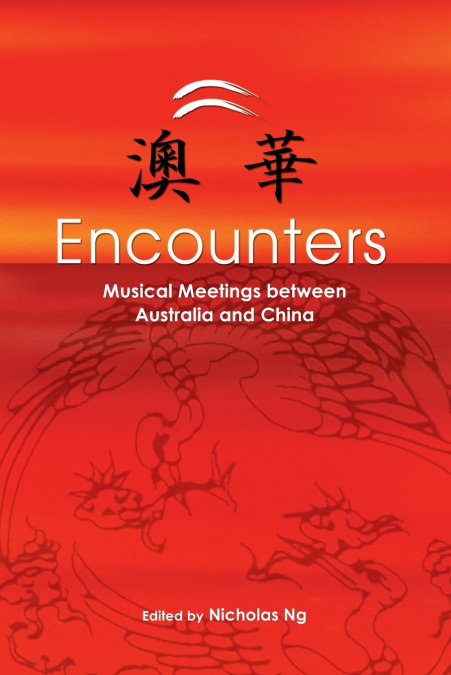
  • Encounters
    Nicholas Ng
    Addressing the themes of: music and history; tradition versus innovation; cultural diversity/intercultural creativity; and music and the related arts; this book  focuses on encounters between China and Australia from the earliest imaginings and representations to the latest cultural exchanges. Here, the reader will find of stories of forbidden love, prejudice and deceit, of ges...
    Disponible

    44,49 €

  • RIVERSONG
    Lee Underwood
    INTRODUCTIONNearly all of the poems included in Riversong are new.They are expressions of personal love, transcendentalrealization, and my deep involvement with nature and music.STREAM. . .RIVER. . .FLOW, that starts off the FOREVERSONGS Section, for example, is a journey from youth’s firstrealization of the power of music, when as a nine-year-oldboy, lying in bed, I held a pla...
    Disponible

    13,09 €

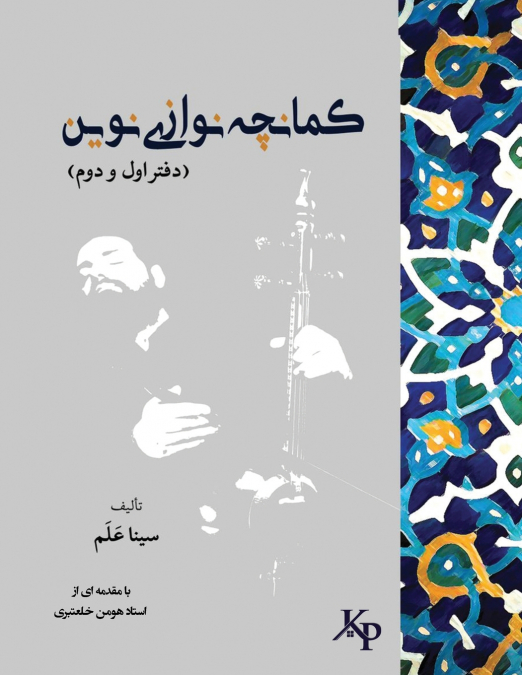
  • کمانچه نوازی نوین
    Sina Alam
    در این کتاب سعی کرده ام کمانچه را به عنوان یک ساز زهی_آرشه ای کامل و واقعی بشناسانم و تا جایی که می شود شخصیتی کششی برای آن بسازم .همچنین مقوله بسیار مهمی را که سال ها آهنگسازان و نوازندگان با آن درگیر بوده اند حل کنم-انتقالی بودن ساز کمانچه-.اشتباه بزرگی که موجب سختی در نگارش و نوازندگی می شد،نگاه انتقالی به این ساز بوده که درکتاب با نگاه بی طرفانه به حل این مشکل پُرداخته ام.ن...
    Disponible

    34,39 €

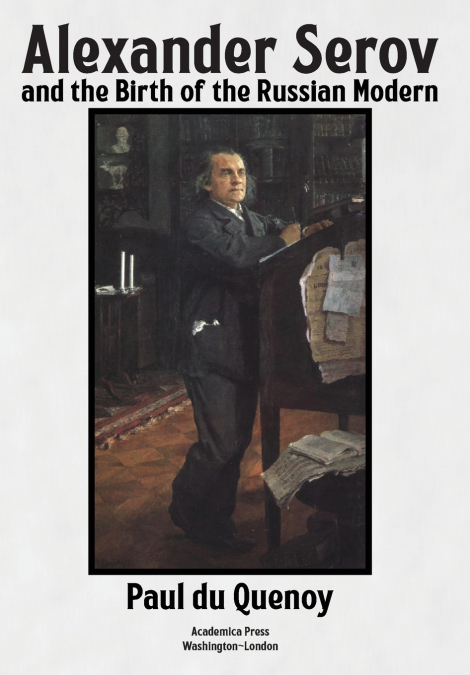
  • Alexander Serov and the Birth of the Russian Modern
    Paul du Quenoy
    When did Russia become 'modern?' Historians of Russia - including even many Russian historians - have long tried to identify Russia’s 'modern' moment. While most scholars have looked to economic or ideological transitions, noted historian and critic Paul du Quenoy approaches the problem through culture, and specifically the performing arts, as told through the prism of one of i...