
Inicio > Economía, finanzas, empresa y gestión > Economía > Macroeconomía > Credit Cooperative Institutions in European Countries
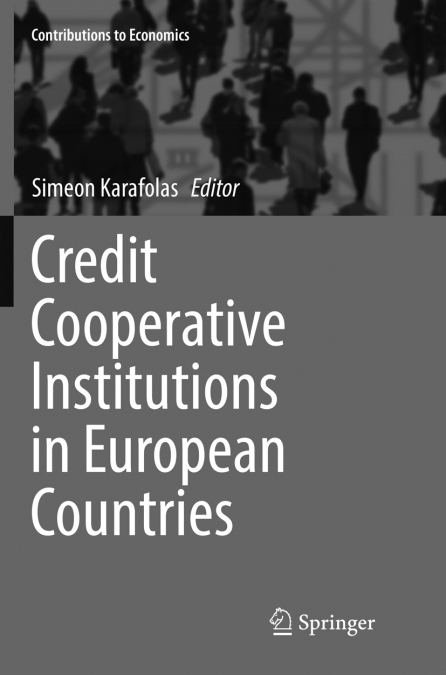
Credit Cooperative Institutions in European Countries

Credit Cooperative Institutions in European Countries

Simeon Karafolas

250,47 €
IVA incluido
Disponible
Editorial:
Springer Nature B.V.
Año de edición:
2018
Materia
Macroeconomía
ISBN:
9783319804248
250,47 €
IVA incluido
Disponible

Selecciona una librería:

  • Librería Samer Atenea

  • Kálamo Books
  • Librería Elías (Asturias)
  • Librería Kolima (Madrid)
  • Librería Proteo (Málaga)

This book offers a comparative analysis of credit cooperative systems across 23 European countries. Cooperative banking has an important place in the financial, economic and social life of most European countries, and while cooperative banks, credit mutuals, credit cooperatives and credit unions share the spirit of cooperation and mutuality, they often have very different features, history and development. The book examines the evolution and current model of each credit cooperative system, its importance for the national and local banking markets, as well as the impact of the financial crisis on cooperative banking, and also presents the sharp contrasts between these systems throughout the EU. It is of significant scientific and practical interest and enables policymakers, practitioners and academics at European and national levels to deepen their understanding of the evolution of the system and its governance.

Artículos relacionados

  • Introduction to Dynamic Macroeconomic General Equilibrium Models
    José Luis Torres Chacon
    This book offers an introductory step-by-step course in Dynamic Stochastic General Equilibrium modelling. Modern macroeconomic analysis is increasingly concerned with the construction, calibration and/or estimation and simulation of Dynamic General Equilibrium (DGE) models. The book is intended for graduate students as an introductory course to DGE modelling and for those econo...
    Disponible

    69,42 €

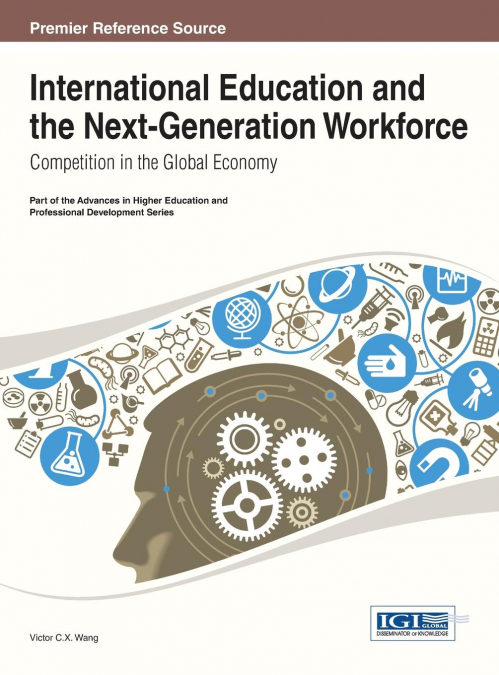
  • International Education and the Next-Generation Workforce
    Wei Wang
    Education is the first stage in developing a viable, dynamic, and long-lived global economy. Unfortunately, in times of economic hardship, educational programs, teacher salaries, and extracurricular opportunities are often the first to be cut. International Education and the Next-Generation Workforce: Competition in the Global Economy presents a detailed discussion of present e...
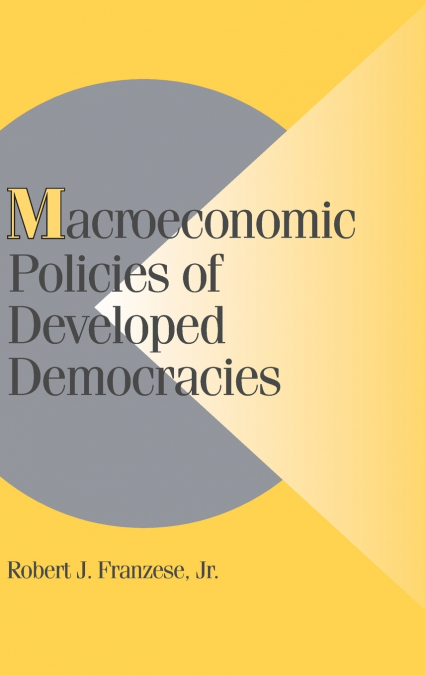
  • Macroeconomic Policies of Developed Democracies
    Robert J Franzese Jr
    ...
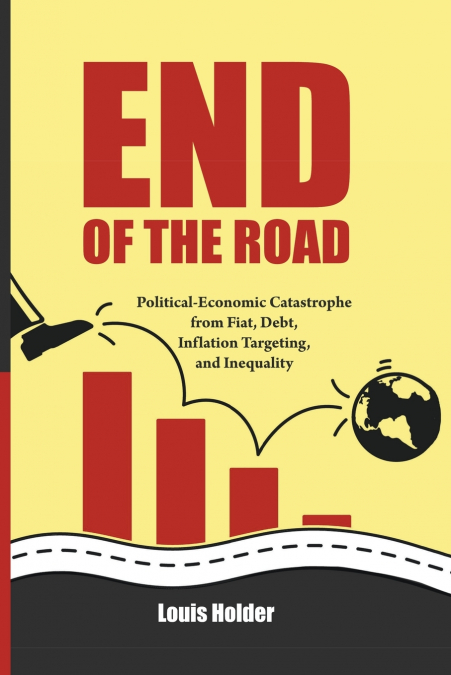
  • End Of The Road
    Louis Holder
    This book is about the mismanagement of Western economies in pursuit of political power, which resulting devastation will have to be borne by future generations. The book establishes that postponement is no longer doable and lays out the hard choices ahead causing much misery and agony.Although not fully recognized because of masking by asset bubbles, which are spun/sold as in...
    Disponible

    18,16 €

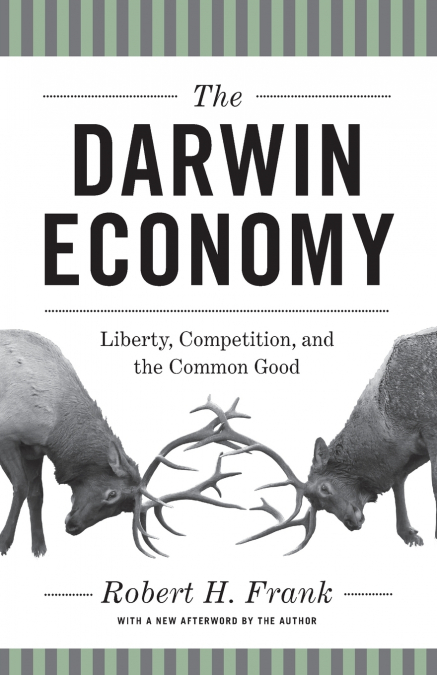
  • The Darwin Economy
    Robert H. Frank
    What Charles Darwin can teach us about building a fairer societyWho was the greater economist-Adam Smith or Charles Darwin? The question seems absurd. Darwin, after all, was a naturalist, not an economist. But Robert Frank, New York Times economics columnist and best-selling author of The Economic Naturalist, predicts that within the next century Darwin will unseat Smith as the...
    Disponible

    21,85 €

  • Myth and Measurement
    Alan B. Krueger / David Card
    From David Card, winner of the Nobel Prize in Economics, and Alan Krueger, a provocative challenge to conventional wisdom about the minimum wageDavid Card and Alan B. Krueger have already made national news with their pathbreaking research on the minimum wage. Here they present a powerful new challenge to the conventional view that higher minimum wages reduce jobs for low-wage ...
    Disponible

    44,53 €

Otros libros del autor

  • Credit Cooperative Institutions in European Countries
    Simeon Karafolas
    This book offers a comparative analysis of credit cooperative systemsacross 23 European countries. Cooperative banking has an important place in thefinancial, economic and social life of most European countries, and whilecooperative banks, credit mutuals, credit cooperatives and credit unions sharethe spirit of cooperation and mutuality, they often have very differentfeatures, ...