 Librería Samer Atenea
 Kálamo Books
 Librería Elías (Asturias)
 Librería Kolima (Madrid)
 Librería Proteo (Málaga)
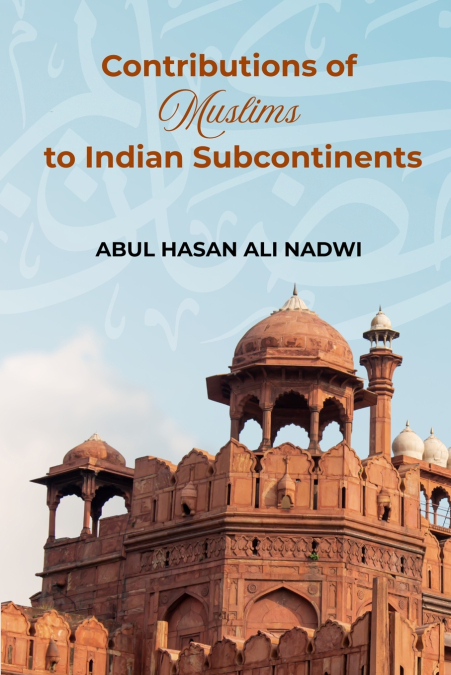
An exploration of the intellectual, spiritual, cultural, and historical contributions of Muslims to the Indian subcontinent.In Contributions of Muslims To Indian Subcontinents, Abul Hasan examines the enduring influence of Muslim communities on the historical development of India. Bringing together religious history, intellectual achievements, cultural institutions, and accounts of distinguished historical personalities, the work presents a comprehensive perspective on the Muslim presence in the subcontinent.Originally composed in Arabic, the book developed from a series of talks delivered by the author for All India Radio in 1951. These discussions were subsequently expanded into essays addressing different dimensions of Muslim contributions to Indian civilization.Islamic Scholarship and Intellectual HeritageA central concern of the book is the intellectual contribution of Indian Muslim scholars to the wider Islamic world. Nadwi examines achievements in Qur’ānic commentary, Hadith studies, Islamic jurisprudence (fiqh), Arabic literature, historiography, and religious education.Particular attention is given to scholarly works that gained recognition beyond India, including contributions to the preservation and development of classical Islamic learning.Sufi Traditions and Ethical FormationThe book explores the influence of Sufi saints and spiritual institutions upon Indian society. Through accounts of religious teachers, spiritual communities, and educational establishments, Nadwi examines the relationship between religious devotion, moral discipline, charitable service, and social responsibility.Civilization, Governance, and Cultural ExchangeThe historical narrative considers Muslim contributions to agriculture, medicine, public works, literature, administrative organization, and educational development.Nadwi also examines the emergence of Indo-Islamic culture as a distinctive historical synthesis of Islamic religious principles and indigenous Indian traditions.Education and Institutional DevelopmentSpecial attention is devoted to the traditions of medieval Muslim education and the establishment of religious and cultural institutions, including Darul Uloom Deoband, Nadwatul Ulama, and other centers of scholarship.The concluding chapters examine Muslim participation in India’s struggle for independence and the religious, linguistic, educational, and economic difficulties discussed by the author in the context of his time.A Valuable Work for Historical and Islamic StudiesThis volume offers important material for readers interested in:Islamic civilization and intellectual historyMuslim contributions to Indian historyClassical Islamic scholarship and jurisprudenceSufi traditions and religious ethicsIndo-Islamic cultural developmentHistorical institutions of Muslim educationThe history of colonial IndiaWritten from the perspective of a Muslim scholar reflecting upon the historical experiences of his community, the work preserves a distinctive interpretation of India’s religious and cultural heritage.