Continuing Innovation in Information Technology

Continuing Innovation in Information Technology

AA.VV

41,08 €
IVA incluido
Disponible
Editorial:
National Academies Press - 35
Año de edición:
2016
ISBN:
9780309437240
41,08 €
IVA incluido
Disponible

Selecciona una librería:

  • Librería Samer Atenea
  • Kálamo Books
  • Librería Elías (Asturias)
  • Librería Kolima (Madrid)
  • Librería Proteo (Málaga)

The 2012 National Research Council report Continuing Innovation in Information Technology illustrates how fundamental research in information technology (IT), conducted at industry and universities, has led to the introduction of entirely new product categories that ultimately became billion-dollar industries. The central graphic from that report portrays and connects areas of major investment in basic research, university-based research, and industry research and development; the introduction of important commercial products resulting from this research; billion-dollar-plus industries stemming from it; and present-day IT market segments and representative U.S. firms whose creation was stimulated by the decades-long research. At a workshop hosted by the Computer Science and Telecommunications Board on March 5, 2015, leading academic and industry researchers and industrial technologists described key research and development results and their contributions and connections to new IT products and industries, and illustrated these developments as overlays to the 2012 ’tire tracks’ graphic. The principal goal of the workshop was to collect and make available to policy makers and members of the IT community first-person narratives that illustrate the link between government investments in academic and industry research to the ultimate creation of new IT industries. This report provides summaries of the workshop presentations organized into five broad themes - (1) fueling the innovation pipeline, (2) building a connected world, (3) advancing the hardware foundation, (4) developing smart machines, and (5) people and computers - and ends with a summary of remarks from the concluding panel discussion.

Artículos relacionados

  • Introducción a la lingüística computacional
    Juli Bernal / Ruth Yanira Rubio
    La lingüística computacional se inició en Estados Unidos en los años 50 con el objetivo de crear un traductor automático para la traducción de textos desde diferentes idiomas al inglés, esto con el interés de crear herramientas para los conflictos bélicos que facilitaran la comunicación y permitieran descifrar mensajes ocultos en las comunicaciones de los adversarios. La lingüí...
  • Sistemas digitales, principios, análisis y diseño
    Héctor A. Flórez Fernández
    Se ofrece al lector una exposición clara y suficiente de, los conceptos básicos de los sistemas digitales combinacionales y secuenciales, además, presenta conceptos básicos de microprocesadores. En este documento se puede obtener el conocimiento y habilidad necesaria para resolver diseños de electrónica digital con base en los fundamentos del mimo; el documento evidencia una ex...
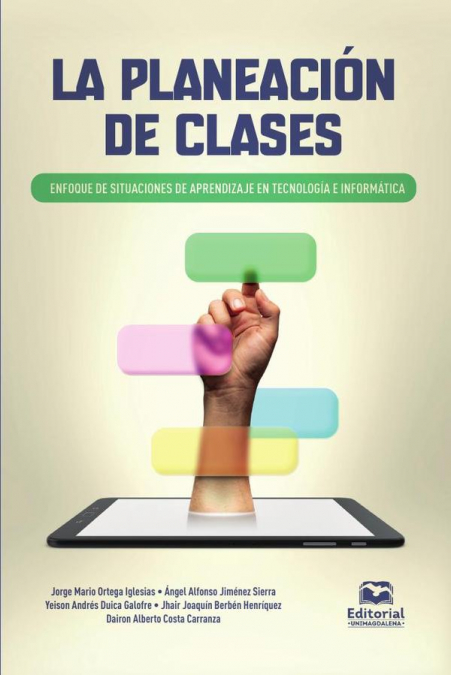
  • La planeación de clases
    Ángel Alfonso Jiménez Sierra / Dairon Alberto Costa Carranza / Jhair Joaquín Berbén Hernríquez / Jorge Mario Ortega Iglesias / Yeison Andrés Duica Galofre
    El libro ofrece orientaciones prácticas para la planificación efectiva de las sesiones de enseñanza en el área de Tecnología e Informática, dirigidas a estudiantes de educación en formación inicial y a profesores en ejercicio. Su objetivo principal es brindar las herramientas necesarias para diseñar y ejecutar un proceso de planificación de clases a partir de situaciones de apr...
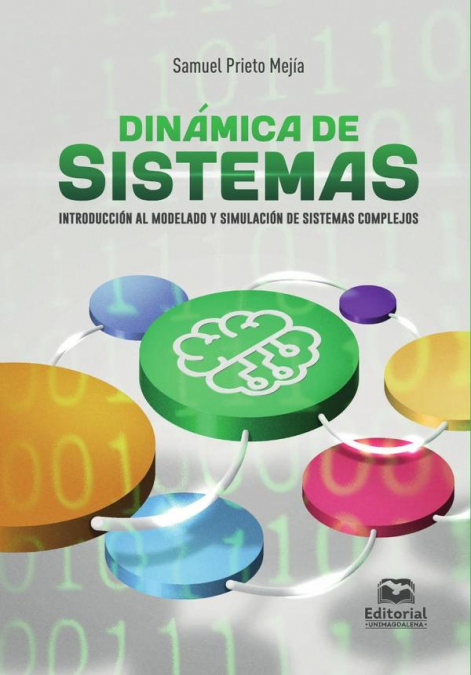
  • Dinámica de sistemas
    Samuel Prieto Mejía
    Este libro está destinado a estudiantes de Ingeniería de Sistemas y ofrece una sólida base para abordar problemas complejos mediante la tecnología computacional. Dividido en diecisiete capítulos, abarca desde los fundamentos de la dinámica de sistemas hasta la aplicación de modelos en casos de estudio como la isla de Borneo y el parque Yellowstone. Se exploran compañías de mode...
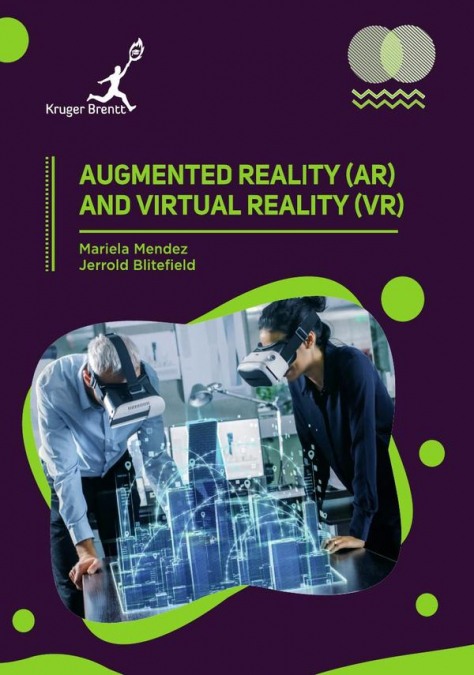
  • Augmented Reality (AR) and Virtual Reality (VR)
    Jerrold Blitefield / Mariela Mendez
    ’1. Introduction to AR and VR Technologies:• Provide a comprehensive overview of augmented reality (AR) and virtual reality (VR), including their definitions, key components, and underlying technologies. Differentiate between AR and VR experiences, discussing their applications, advantages, and limitations.2. Hardware and Software Platforms:• Explore the hardware devices and so...
    Disponible

    150,80 €

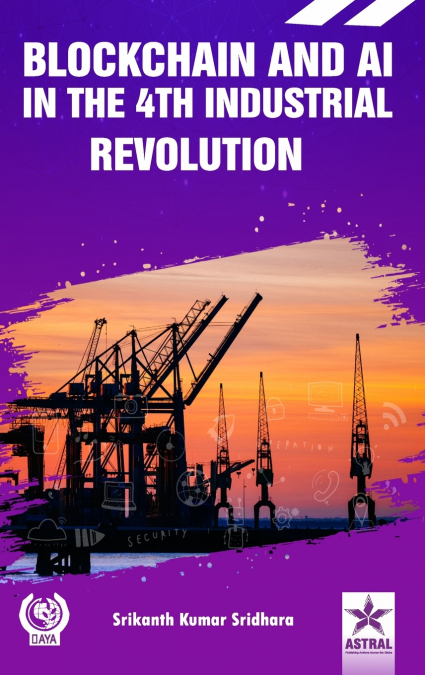
  • Blockchain and AI in the 4th Industrial Revolution
    Srikanth Kumar Sridhara
    Revolutionary Enchantment: Blockchain and AI in the Fourth Industrial Revolution’ takes readers on an exciting trip through two cutting-edge technologies that are transforming our civilization. It begins by reviewing the historical relevance of previous industrial revolutions, establishing the groundwork for the fourth, which will be distinguished by the combination of blockcha...
    Disponible

    94,12 €