Inicio > > Redes y comunicaciones informáticas > Content-Based Access to Multimedia Information
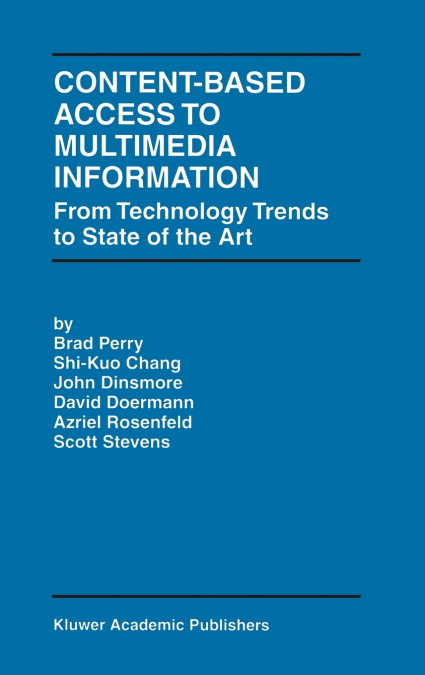
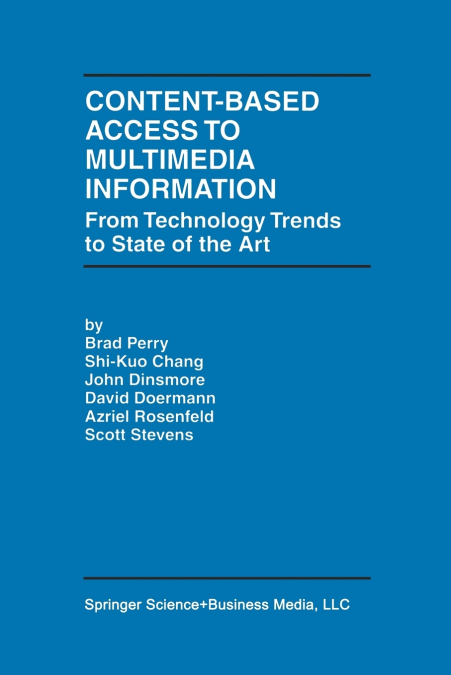
Content-Based Access to Multimedia Information

Content-Based Access to Multimedia Information

Brad Perry / J. Dinsmore / Shi-Kuo Chang

134,53 €
IVA incluido
Disponible
Editorial:
Springer Nature B.V.
Año de edición:
2012
Materia
Redes y comunicaciones informáticas
ISBN:
9781461372882
134,53 €
IVA incluido
Disponible

Selecciona una librería:

  • Librería Samer Atenea
  • Librería Aciertas (Toledo)
  • Kálamo Books
  • Librería Perelló (Valencia)
  • Librería Elías (Asturias)
  • Donde los libros
  • Librería Kolima (Madrid)
  • Librería Proteo (Málaga)

In the past five years, the field of electrostatic discharge (ESD) control has under­ gone some notable changes. Industry standards have multiplied, though not all of these, in our view, are realistic and meaningful. Increasing importance has been ascribed to the Charged Device Model (CDM) versus the Human Body Model (HBM) as a cause of device damage and, presumably, premature (latent) failure. Packaging materials have significantly evolved. Air ionization techniques have improved, and usage has grown. Finally, and importantly, the government has ceased imposing MIL-STD-1686 on all new contracts, leaving companies on their own to formulate an ESD-control policy and write implementing documents. All these changes are dealt with in five new chapters and ten new reprinted papers added to this revised edition of ESD from A to Z. Also, the original chapters have been augmented with new material such as more troubleshooting examples in Chapter 8 and a 20-question multiple-choice test for certifying operators in Chapter 9. More than ever, the book seeks to provide advice, guidance, and practical ex­ amples, not just a jumble of facts and generalizations. For instance, the added tailored versions of the model specifications for ESD-safe handling and packaging are actually in use at medium-sized corporations and could serve as patterns for many readers.
Artículos relacionados

  • Next Generation Search Engines
    Recent technological progress in computer science, Web technologies, and the constantly evolving information available on the Internet has drastically changed the landscape of search and access to information. Current search engines employ advanced techniques involving machine learning, social networks, and semantic analysis. Next Generation Search Engines: Advanced Models for ...
  • Collaboration and the Semantic Web
    Collaborative working has been increasingly viewed as a good practice for organizations to achieve efficiency. Organizations that work well in collaboration may have access to new sources of funding, deliver new, improved, and more integrated services, make savings on shared costs, and exchange knowledge, information and expertise. Collaboration and the Semantic Web: Social Net...
  • Resource Allocation in Next-Generation Broadband Wireless Access Networks
    With the growing popularity of wireless networks in recent years, the need to increase network capacity and efficiency has become more prominent in society. This has led to the development and implementation of heterogeneous networks. Resource Allocation in Next-Generation Broadband Wireless Access Networks is a comprehensive reference source for the latest scholarly research o...
  • Advanced Topics in Information Technology Standards and Standardization Research, Volume 1
    Kai Jakobs
    ...
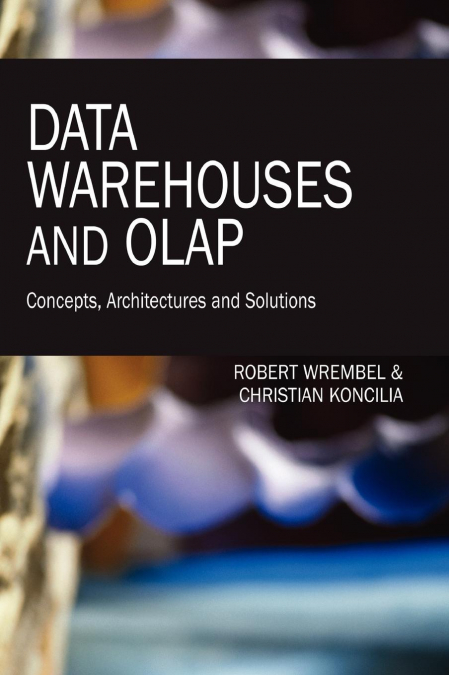
  • Data Warehouses and OLAP
    ...
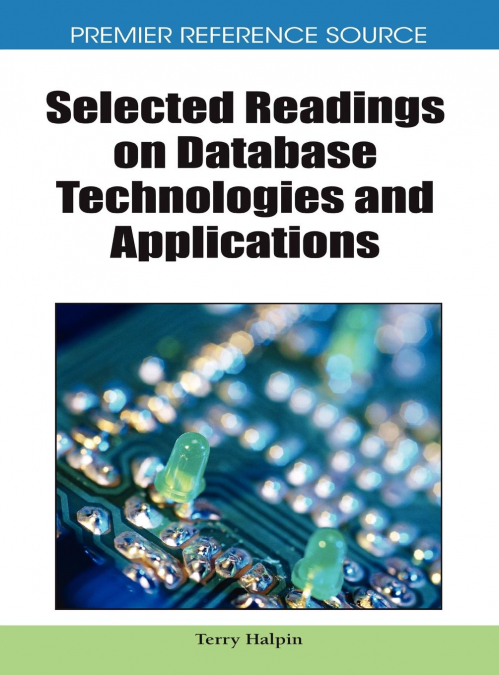
  • Selected Readings on Database Technologies and Applications
    Terry Halpin
    Education and research in the field of database technology can prove problematic without the proper resources and tools on the most relevant issues, trends, and advancements. Selected Readings on Database Technologies and Applications supplements course instruction and student research with quality chapters focused on key issues concerning the development, design, and analysis ...

Otros libros del autor

  • Content-Based Access to Multimedia Information
    Brad Perry / J. Dinsmore / Shi-Kuo Chang
    In the past five years, the field of electrostatic discharge (ESD) control has under­ gone some notable changes. Industry standards have multiplied, though not all of these, in our view, are realistic and meaningful. Increasing importance has been ascribed to the Charged Device Model (CDM) versus the Human Body Model (HBM) as a cause of device damage ...