
Inicio > Derecho > Teoría general del derecho > Constitucionalização do direito à água e soberania dos Estados
Constitucionalização do direito à água e soberania dos Estados

Constitucionalização do direito à água e soberania dos Estados

Aser Nzovu Luvuji

71,96 €
IVA incluido
Disponible
Editorial:
KS OmniScriptum Publishing
Año de edición:
2026
Materia
Teoría general del derecho
ISBN:
9786630448757
71,96 €
IVA incluido
Disponible

Selecciona una librería:

  • Librería Samer Atenea

  • Kálamo Books
  • Librería Elías (Asturias)
  • Librería Kolima (Madrid)
  • Librería Proteo (Málaga)

Artigo I: A constitucionalização consiste no reconhecimento de um facto ou de um valor socialmente importante na lei fundamental do Estado. Pode ser direta ou indireta. Na bacia do Congo, três Estados consagram expressamente o direito à água nas suas constituições. Os restantes Estados limitam-se à consagração indireta. O direito à água é o conjunto de normas jurídicas orientadas para a definição do estatuto, do regime, da proteção e do acesso à água, garantindo assim prerrogativas individuais em benefício dos sujeitos de direito. A sua eficácia depende das medidas de aplicação. Artigo II: O surgimento da degradação ambiental e, em particular, da água, criou uma nova forma de promulgar normas jurídicas. Antigamente, o direito orientava-se para uma abordagem curativa para resolver os problemas da sociedade. Sendo os danos ambientais irreversíveis, a abordagem preventiva contra a poluição da água garante melhor a sua qualidade. Este princípio fundamental do direito ambiental, nascido das relações internacionais, só encontra a sua eficácia na sua implementação pelos Estados no âmbito da sua jurisdição.

Artículos relacionados

  • EU General Data Protection Regulation (GDPR)
    IT Governance Privacy Team
    An in-depth guide to complying with the EU GDPR.Now in its second edition, EU GDPR – An Implementation and Compliance Guide is a clear and comprehensive guide to this new data protection law, providing a detailed commentary on the Regulation, and setting out the obligations of data  processors and controllers in clear and comprehensible terms.Read this book to learn: How the ...
    Disponible

    30,10 €

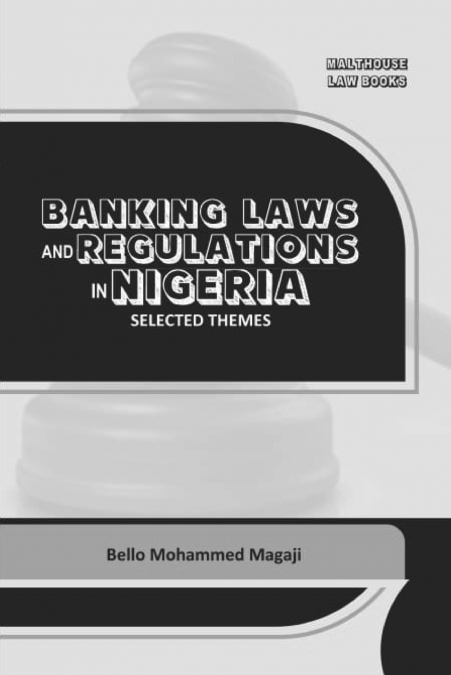
  • Banking Laws and Regulations in Nigeria
    Bello Mohammed Magaji
    Banking Law and Regulations in Nigeria: Selected Themes essentially deals with the laid down rules or code of conduct meant to control and set standards for banking business. Indeed, the main aim of the ongoing banking reforms in Nigeria, started in 2004, is to ensure banks’ conformity to the laid down banking rules and regulations. The eleven-chapter book contains vital and ri...
    Disponible

    41,17 €

  • States and the Interpretation of Treaties
    Dimitris Liakopoulos
    States and the Interpretation of Treaties opens with a provocative reconsideration of a debate on the subject of comparative international legal obligations by the United Nations’s International Law Commission. In this book, distinguished Tufts University legal scholar Dimitris Liakopoulos identifies and explores relevant considerations in the work of the Commission and offers ...
  • The role of customs in international treaties
    Dimitris Liakopoulos
    The Role of Customs in International Treaties concentrates on issues of friction between member states of the United Nations. In view of the role played by the United Nations in resolving international disputes, Dimitris Liakopoulos hypothesizes that 'practical guides' based on custom often catalyze the positions taken by states, courts, scholars, and other actors, constituting...
  • Debtor protection in American and European Union bankruptcy law
    Dimitris Liakopoulos
    In Debtor Protection in American and European Union Bankruptcy Law, international law scholar Dimitris Liakopulos raises a delicate issue at the foundations of the modern banking system by analyzing US bankruptcy law with a focus on the concept of automatic stay. His work identifies legal sources and authorities having repercussions in terms of operational protection. It then e...
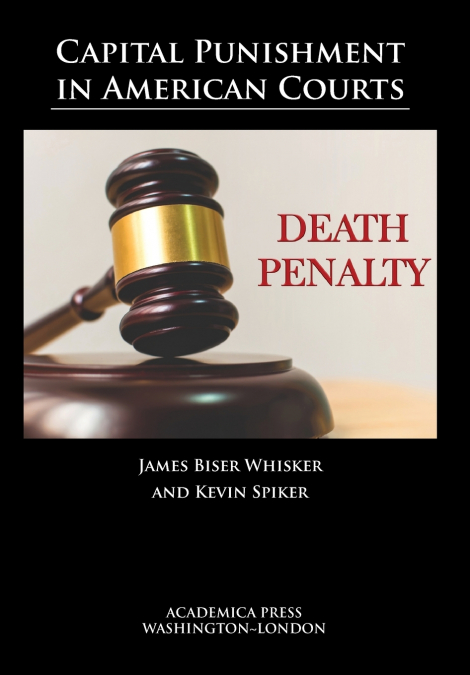
  • Capital punishment in American courts
    James Biser Whisker / Kevin Spiker
    In the 400 years since the first known execution was carried out for treason in Virginia, American jurisdictions have debated both the appropriateness and methods of capital punishment. Over that time, courts have placed varying restrictions on its application, excluding categories of citizens (for example the insane or the underaged) and evaluating and excluding methods of exe...

Otros libros del autor

  • Konstytucjonalizacja prawa wodnego a suwerenność państw
    Aser Nzovu Luvuji
    Artykuł I: Konstytucjonalizacja to uznanie faktu lub wartości o znaczeniu społecznym w ustawie zasadniczej państwa. Może ona mieć charakter bezpośredni lub pośredni. W dorzeczu Konga trzy państwa wyraźnie zapisują prawo wodne w swoich konstytucjach. Pozostałe państwa zadowalają się uznaniem pośrednim. Prawo wodne to zbiór norm prawnych mających na celu określenie statusu, syste...
    Disponible

    71,96 €

  • Verankerung des Wasserrechts in der Verfassung und staatliche Souveränität
    Aser Nzovu Luvuji
    Artikel I: Die Verankerung in der Verfassung ist die Anerkennung einer Tatsache oder eines gesellschaftlich wichtigen Wertes im Grundgesetz des Staates. Sie kann direkt oder indirekt erfolgen. Im Kongobecken verankern drei Staaten das Wasserrecht ausdrücklich in ihren Verfassungen. Die übrigen Staaten begnügen sich mit einer indirekten Verankerung. Das Wasserrecht ist die Gesam...
    Disponible

    71,96 €

  • Constitutionalization of Water Law and State Sovereignty
    Aser Nzovu Luvuji
    Article I: Constitutionalization is the recognition of a socially significant fact or value in a state’s fundamental law. It can be direct or indirect. In the Congo Basin, three states expressly enshrine water law in their constitutions. The other states rely solely on indirect enshrinement. Water law comprises the body of legal rules governing the definition of the status, reg...
    Disponible

    71,90 €

  • Costituzionalizzazione del diritto all’acqua e sovranità degli Stati
    Aser Nzovu Luvuji
    Articolo I: La costituzionalizzazione è il riconoscimento di un fatto o di un valore socialmente rilevante nella legge fondamentale dello Stato. Può essere diretta o indiretta. Nel bacino del Congo, tre Stati sanciscono espressamente il diritto all’acqua nelle loro costituzioni. Gli altri Stati si limitano a una consacrazione indiretta. Il diritto all’acqua è l’insieme delle no...
    Disponible

    71,96 €