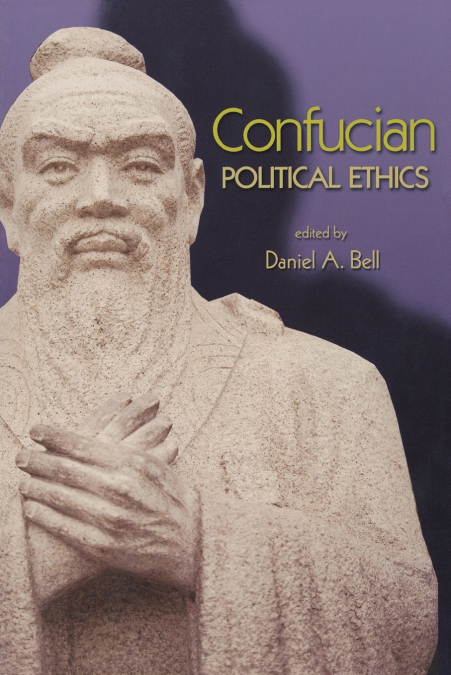

Confucian Political Ethics

Confucian Political Ethics


47,11 €
IVA incluido
Disponible
Editorial:
Princeton University Press
Año de edición:
2007
Materia
Ética y filosofía moral
ISBN:
9780691130057
47,11 €
IVA incluido
Disponible

Selecciona una librería:

  • Librería Samer Atenea
  • Librería Aciertas (Toledo)
  • Kálamo Books
  • Librería Perelló (Valencia)
  • Librería Elías (Asturias)
  • Donde los libros
  • Librería Kolima (Madrid)
  • Librería Proteo (Málaga)

For much of the twentieth century, Confucianism was condemned by Westerners and East Asians alike as antithetical to modernity. Internationally renowned philosophers, historians, and social scientists argue otherwise in Confucian Political Ethics. They show how classical Confucian theory--with its emphasis on family ties, self-improvement, education, and the social good--is highly relevant to the most pressing dilemmas confronting us today. Drawing upon in-depth, cross-cultural dialogues, the contributors delve into the relationship of Confucian political ethics to contemporary social issues, exploring Confucian perspectives on civil society, government, territorial boundaries and boundaries of the human body and body politic, and ethical pluralism. They examine how Confucianism, often dismissed as backwardly patriarchal, can in fact find common ground with a range of contemporary feminist values and need not hinder gender equality. And they show how Confucian theories about war and peace were formulated in a context not so different from today’s international system, and how they can help us achieve a more peaceful global community. This thought-provoking volume affirms the enduring relevance of Confucian moral and political thinking, and will stimulate important debate among policymakers, researchers, and students of politics, philosophy, applied ethics, and East Asian studies. The contributors are Daniel A. Bell, Joseph Chan, Sin Yee Chan, Chenyang Li, Richard Madsen, Ni Lexiong, Peter Nosco, Michael Nylan, Henry Rosemont, Jr., and Lee H. Yearley.
Artículos relacionados

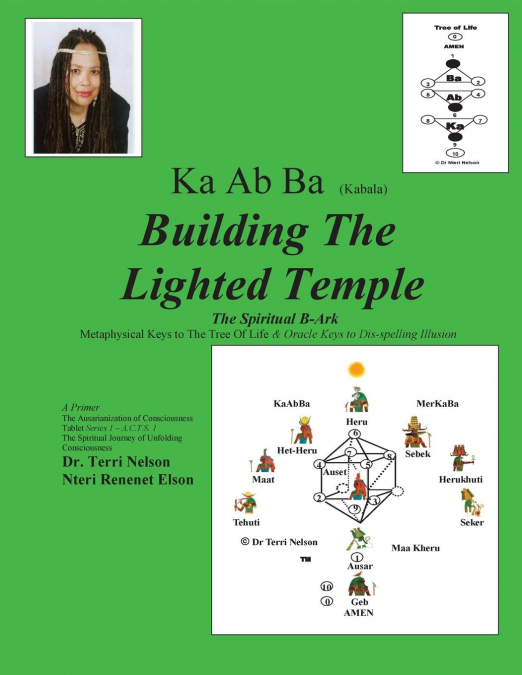
  • Ka Ab Ba Building The Lighted Temple
    Dr Terri R. Nelson / Dr Terri RNelson
    The book KaAbBa Building The Lighted Temple/Metaphysical Keys to the Tree of Life draws a circle that is inclusive of the Afrikan origin of the Ancient Kemetic/Egyptian wisdom. It reveals the undeniable root and link of Ancient Africa to all the religious systems that would develop worldwide. This book is explosive in its power to convey the meaning of KaAbBa, the Medu Neter  (...
    Disponible

    37,41 €

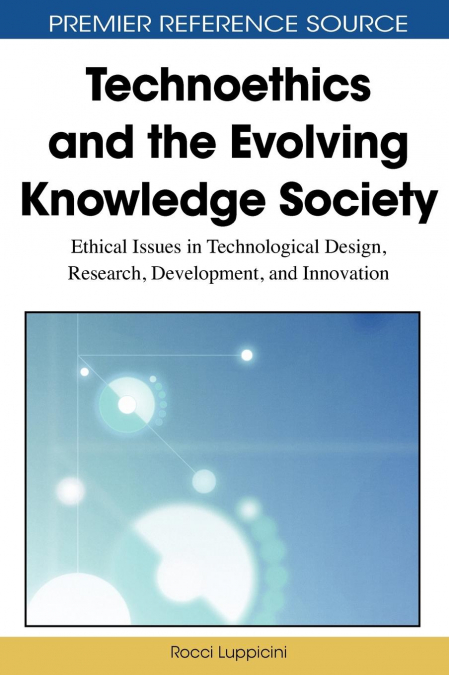
  • Technoethics and the Evolving Knowledge Society
    Rocci Luppicini
    Recently, there has been a major push to rediscover the ethical dimension of technology across the sciences, social sciences, and humanities. Technoethics and the Evolving Knowledge Society: Ethical Issues in Technological Design, Research, Development, and Innovation examines human processes and practices connected to technology embedded within social, political, and moral sph...
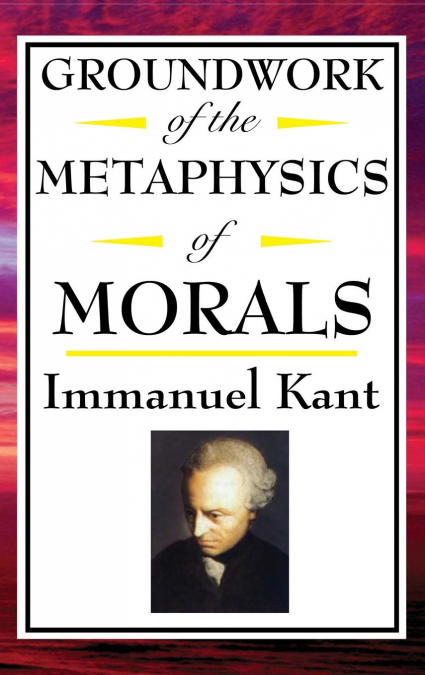
  • Kant
    Immanuel Kant
    Kant’s Groundwork of the Metaphysics of Morals is one of the most important works in modern moral philosophy. It belongs beside Plato, Aristotle, Machiavelli, and Hobbes. Here Kant sets out to articulate and defend the Categorical Imperative - the fundamental principle that underlies moral reasoning - and to lay the foundation for a comprehensive account of justice and human vi...
  • On the Duty of Civil Disobedience
    HENRY DAVID THOREAU
    Civil Disobedience argues that citizens should not permit their governments to overrule their consciences, and that they have a duty to avoid allowing their acquiescence to enable the government to make them the agents of injustice. Thoreau was motivated in part by his disgust with slavery and the Mexican-American War, but the sentiments he expresses here are just as pertinent ...
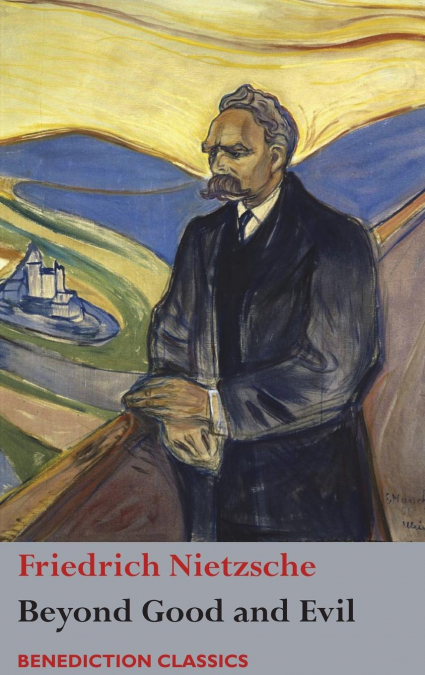
  • Beyond Good and Evil
    Friedrich Nietzsche
    Nietzsche, though primarily a philosopher, wrote widely on art, philology, history, religion, tragedy, culture, and science.  In 1886, at the height of his powers, he published Beyond Good and Evil.  Here he examines much of the best of human thought--dogmatic philosophy, Judeo-Christian morality, science and democracy – and finds it lacking.  Rejecting “slave-morality” he pres...
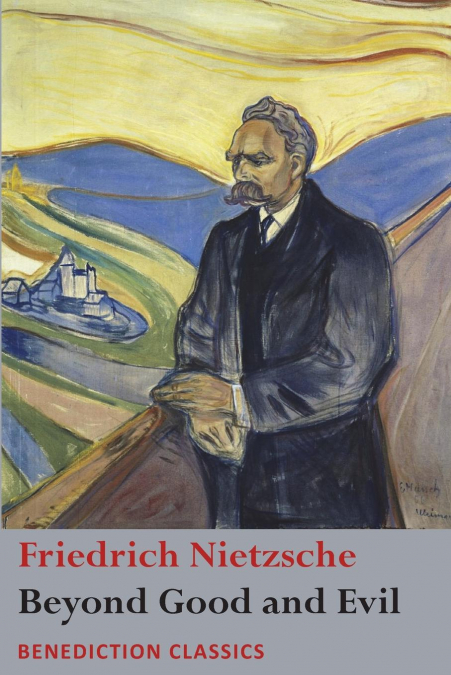
  • Beyond Good and Evil
    Friedrich Nietzsche
    Nietzsche, though primarily a philosopher, wrote widely on art, philology, history, religion, tragedy, culture, and science.  In 1886, at the height of his powers, he published Beyond Good and Evil.  Here he examines much of the best of human thought--dogmatic philosophy, Judeo-Christian morality, science and democracy – and finds it lacking.  Rejecting “slave-morality” he pres...
    Disponible

    9,99 €