 Librería Samer Atenea
 Kálamo Books
 Librería Elías (Asturias)
 Librería Kolima (Madrid)
 Librería Proteo (Málaga)
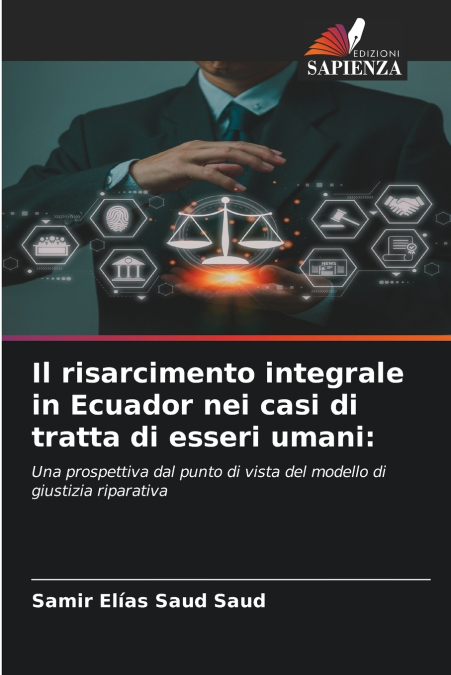
This paper analyzes the limitations of Ecuador’s retributive justice model in ensuring comprehensive and timely reparations for victims of human trafficking. It begins by considering this crime as a manifestation of complex criminality and examines the tensions between the Constitution, the LOGJCC, and the COIP regarding the timing of reparations. The research argues that making comprehensive reparations contingent on a conviction may prevent an early response to the victim’s needs. As an alternative, it proposes a hybrid justice model, with restorative and retributive components, in which the State can initially provide reparations once the substance of the crime has been established and subsequently exercise the right of recourse against the identified criminally liable party. The proposal includes reforms to the COIP, the creation of a state reparations fund, and public policies for inter-institutional support.