 Librería Samer Atenea
 Kálamo Books
 Librería Elías (Asturias)
 Librería Kolima (Madrid)
 Librería Proteo (Málaga)
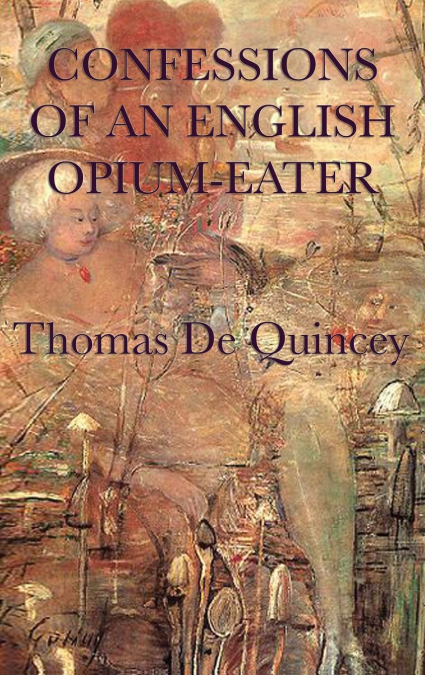
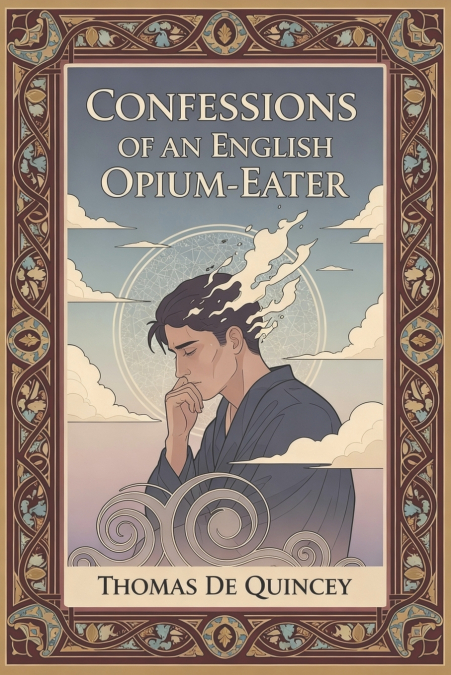
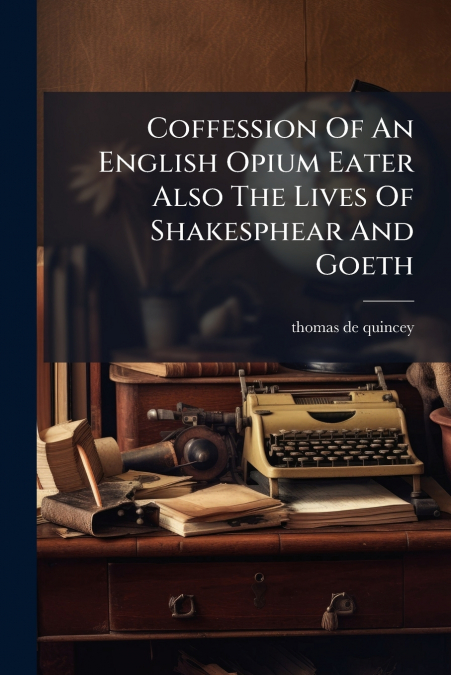
Confessions of an English Opium-Eater is an autobiographical account written by Thomas De Quincey, detailing his experiences with opium addiction. Published in 1821, it provides a candid and often harrowing depiction of his initial use of opium for pain relief, which gradually spiraled into dependency. The work delves into the psychological and physical effects of opium, offering vivid descriptions of dreams, hallucinations, and the profound impact on his daily life.This edition also includes De Quincey’s biographical sketches of William Shakespeare and Johann Wolfgang von Goethe, showcasing his skills as a literary critic and biographer. These essays offer insights into the lives and works of these literary giants, reflecting De Quincey’s deep engagement with literature and intellectual history. Together, these works provide a fascinating glimpse into the mind of a brilliant and troubled figure of the Romantic era.This work has been selected by scholars as being culturally important, and is part of the knowledge base of civilization as we know it. This work was reproduced from the original artifact, and remains as true to the original work as possible. Therefore, you will see the original copyright references, library stamps (as most of these works have been housed in our most important libraries around the world), and other notations in the work.This work is in the public domain in the United States of America, and possibly other nations. Within the United States, you may freely copy and distribute this work, as no entity (individual or corporate) has a copyright on the body of the work.As a reproduction of a historical artifact, this work may contain missing or blurred pages, poor pictures, errant marks, etc. Scholars believe, and we concur, that this work is important enough to be preserved, reproduced, and made generally available to the public. We appreciate your support of the preservation process, and thank you for being an important part of keeping this knowledge alive and relevant.