Inicio > Ficción y temas afines > Ficción clásica > Cliff Castles and Cave Dwellings of Europe
Cliff Castles and Cave Dwellings of Europe

Cliff Castles and Cave Dwellings of Europe

S. Baring-Gould

20,70 €
IVA incluido
Disponible
Editorial:
IndoEuropeanPublishing
Año de edición:
2024
Materia
Ficción clásica
ISBN:
9798889424215
20,70 €
IVA incluido
Disponible

Selecciona una librería:

  • Librería Samer Atenea

  • Kálamo Books
  • Librería Elías (Asturias)
  • Librería Kolima (Madrid)
  • Librería Proteo (Málaga)

This book was written in 1911. At the time, many people still lived in ancient cave dwellings throughout Europe. Castles were built entirely inside of caves on cliff faces; Robbers hid in secret cave forts; The desperately poor took shelter in caves, and made them homes; monasteries and temples of forbidden religions were dug into the stone. People would find their well water going bad, go down to explore, and find the way into vast underground catacombs. Hermits built homes in remote mountains. Refugees hiding from raiders camped in dug out caves beneath their homes. The cave plans in the book are indistinguishable from those found in D&D modules, and the illustrations look like scenes from Skyrim. Certainly some of this influenced the invention of Hobbiton (e.g. Kinver Edge in Staffordshire) and Moria.The attitude of the author towards the lower classes who made their home in the caves is appalling to the point of being funny. For example, describing the Tinkers (who worked as itinerant tinsmiths when not in their cave homes) he mentions one attractive young man and young woman, and assumes that, being more highly evolved than their relatives, they will probably manage to get a job and escape the culture of poverty. He points out to one poor Irish woman that the workhouses are really quite comfortable these days, and she shouts at him that if she can manage to find one crust of bread a day she’ll never go there. So, yeah, pretty culturally insensitive.There’s a lot of discussion of the caves in Nottingham in particular, which have always fascinated me. Even during Napoleon’s time, young men who would otherwise be drafted would disappear into caves in the forests. Several cave castles built by the English army in France are wonderfully depicted as well. It’s a fascinating read, but bittersweet, since so much of this had recently been destroyed or was about to be destroyed to make way for railroads and so forth. (Douglas Summers-Stay)About the authorThe Reverend Sabine Baring-Gould (28 January 1834 - 2 January 1924) of Lew Trenchard in Devon, England, was an Anglican priest, hagiographer, antiquarian, novelist, folk song collector and eclectic scholar. His bibliography consists of more than 1240 publications, though this list continues to grow. His family home, the manor house of Lew Trenchard, near Okehampton, Devon, has been preserved as he had it rebuilt and is now a hotel. He is remembered particularly as a writer of hymns, the best-known being 'Onward, Christian Soldiers' and 'Now the Day Is Over'. He also translated the carol 'Gabriel’s Message' from the Basque language to English. Baring-Gould wrote many novels, including The Broom-Squire set in the Devil’s Punch Bowl (1896), Mehalah: a story of the salt marshes (1880), Guavas the Tinner (1897), the 16-volume The Lives of the Saints, and the biography of the eccentric poet-vicar of Morwenstow, Robert Stephen Hawker. He also published nearly 200 short stories in assorted magazines and periodicals. Many of these short stories were collected together and republished as anthologies, such as his Book of Ghosts (1904), Dartmoor Idyllys (1896), and In a Quiet Village (1900). His folkloric studies resulted in The Book of Were-Wolves (1865), one of the most frequently cited studies of lycanthropy. He habitually wrote while standing, and his desk can be seen in the manor.One of his most enduringly popular works was Curious Myths of the Middle Ages, first published in two parts during 1866 and 1868, and republished in many other editions since then. 'Each of the book’s twenty-four chapters deals with a particular medieval superstition and its variants and antecedents,' writes critic Steven J. Mariconda. H. P. Lovecraft termed it 'that curious body of medieval lore which the late Mr. Baring-Gould so effectively assembled in book form.' ... (wikipedia.org)
Artículos relacionados

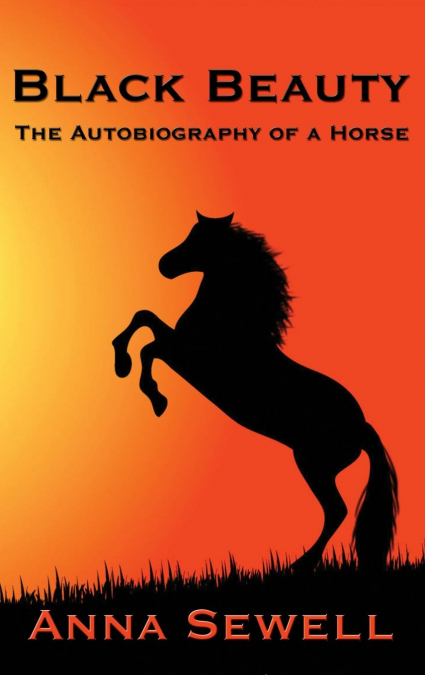
  • Black Beauty
    Anna Sewell
    Black Beauty is the autobiography of a horse. This gentle book follows the life a well bred horse, from his early childhood in a pleasant meadow, through a myriad of owners—some kind and some cruel—until fate returns him to the meadow in which he was born. A wonderful story that will remain with you and your child. ...
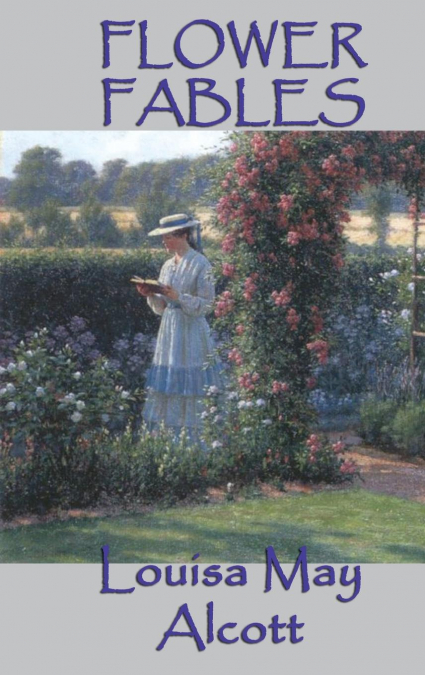
  • Flower Fables
    Louisa May Alcott
    Louisa May Alcott was an American novelist best known as author of the novel Little Women. In the mid-1860s, Alcott wrote passionate, fiery novels and sensational stories. She also produced wholesome stories for children, and after their positive reception, she did not generally return to creating works for adults. Alcott continued to write until her death. ...
  • Civil War Stories
    Ambrose Bierce
    Bierce was considered a master of pure English by his contemporaries, and virtually everything that came from his pen was notable for its judicious wording and economy of style. He wrote in a variety of literary genres. His short stories are held among the best of the 19th century, providing a popular following based on his roots. He wrote realistically of the terrible things h...
  • Jonas on a Farm in Winter
    Jacob Abbott
    ...
  • A Message to Garcia
    Elbert Hubbard
    A Message to Garcia is one of the most widely read inspirational stories of all time. Since it’s publication it has sold more than 40 million copies. This is the touching story of an American soldier who must get a message through enemy lines to General Garcia. The lessons contained within it have changed the lives of countless people. Prepare to be inspired. This edition also ...
  • Beyond the Gates
    Elizabeth Stuart Phelps
    I had been ill for several weeks with what they called brain fever. The events which I am about to relate happened on the fifteenth day of my illness. ...

Otros libros del autor

  • Eve: Letra Grande
    S. Baring-Gould
    Anhela un mundo más allá de los páramos de Devon. Su familia teme que repita un pasado del que no consigue escapar.En Eva, de S. Baring-Gould, la ruinosa casa de caza de Morwell House se alza sobre el río Tamar y alberga a una familia marcada por el abandono y el pesar. Allí, la joven Eva crece soñando con Italia, la música y un sol muy distinto de los grises inviernos de su ho...
  • Eve
    S. Baring-Gould
    Anhela un mundo más allá de los páramos de Devon. Su familia teme que repita un pasado del que no consigue escapar.En Eva, de S. Baring-Gould, la ruinosa casa de caza de Morwell House se alza sobre el río Tamar y alberga a una familia marcada por el abandono y el pesar. Allí, la joven Eva crece soñando con Italia, la música y un sol muy distinto de los grises inviernos de su ho...
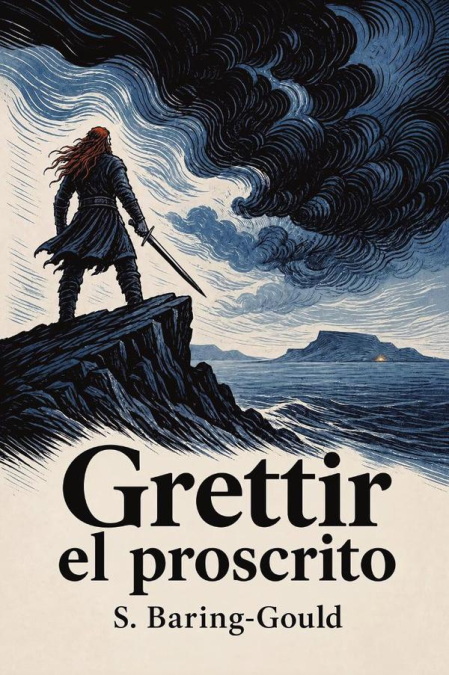
  • Grettir el Proscrito
    S. Baring-Gould
    Puede vencer a casi cualquier enemigo con su fuerza, pero no escapar de las consecuencias de su propia ira.En Grettir el proscrito, S. Baring-Gould recrea la saga islandesa de Grettir el Fuerte, un hombre cuya extraordinaria fuerza iguala su peligrosa obstinación. Nacido en una respetada familia de granjeros, Grettir pasa de ser un muchacho pendenciero a convertirse en un lucha...
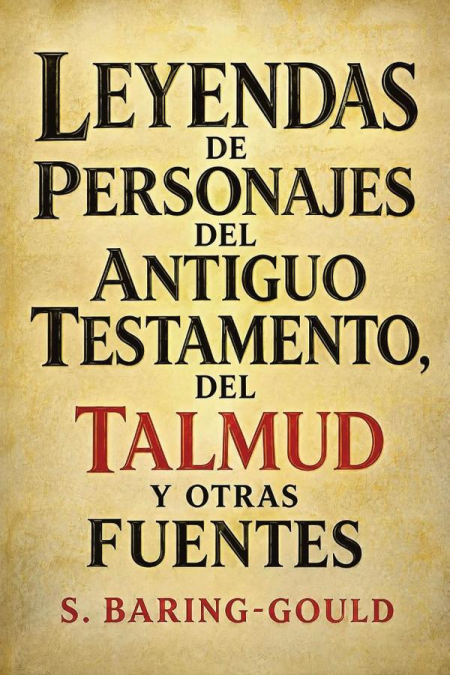
  • Leyendas de personajes del Antiguo Testamento, del Talmud y otras fuentes: Letra Grande
    S. Baring-Gould
    El relato bíblico es solo el comienzo de la historia. En torno a sus personajes más conocidos creció un rico mundo de maravillas, pruebas morales y encuentros sobrenaturales.En Leyendas de personajes del Antiguo Testamento, del Talmud y otras fuentes, S. Baring-Gould reúne tradiciones que van más allá de las narraciones de las Escrituras hebreas. Adán y Eva, Abraham, Moisés y l...
  • The Book of Were-Wolves
    S. Baring-Gould
    Before the werewolf became a familiar monster of fiction, it was a terrifying possibility in the human imagination. What made people believe that their neighbors—or they themselves—could become wolves?In The Book of Were-Wolves, S. Baring-Gould investigates lycanthropy through ancient references, Scandinavian sagas, European legends, and historical accounts of alleged transform...
  • The Book of Were-Wolves: Large Print
    S. Baring-Gould
    Before the werewolf became a familiar monster of fiction, it was a terrifying possibility in the human imagination. What made people believe that their neighbors—or they themselves—could become wolves?In The Book of Were-Wolves, S. Baring-Gould investigates lycanthropy through ancient references, Scandinavian sagas, European legends, and historical accounts of alleged transform...