Choctaws and Missionaries in Mississippi, 1818-1918

Choctaws and Missionaries in Mississippi, 1818-1918

Choctaws and Missionaries in Mississippi, 1818-1918

Clara Sue Kidwell

17,26 €
IVA incluido
Disponible
Editorial:
University of Oklahoma Press
Año de edición:
2018
ISBN:
9780806129143
17,26 €
IVA incluido
Disponible

Selecciona una librería:

  • Librería Samer Atenea
  • Librería Aciertas (Toledo)
  • Kálamo Books
  • Librería Perelló (Valencia)
  • Librería Elías (Asturias)
  • Donde los libros
  • Librería Kolima (Madrid)
  • Librería Proteo (Málaga)

The present-day Choctaw communities in central Mississippi are a tribute to the ability of the Indian people both to adapt to new situations and to find refuge against the outside world through their uniqueness. Clara Sue Kidwell, whose great-great-grandparents migrated from Mississippi to Indian Territory along the Trail of Tears in 1830, here tells the story of those Choctaws who chose not to move but to stay behind in Mississippi.As Kidwell shows, their story is closely interwoven with that of the missionaries who established the first missions in the area in 1818. While the U.S. government sought to “civilize” Indians through the agency of Christianity, many Choctaw tribal leaders in turn demanded education from Christian missionaries. The missionaries allied themselves with these leaders, mostly mixed-bloods; in so doing, the alienated themselves from the full-blood elements of the tribe and thus failed to achieve widespread Christian conversion and education. Their failure contributed to the growing arguments in Congress and by Mississippi citizens that the Choctaws should be move to the West and their territory opened to white settlement.The missionaries did establish literacy among the Choctaws, however, with ironic consequences. Although the Treaty of Dancing Rabbit Creek in 1830 compelled the Choctaws to move west, its fourteenth article provided that those who wanted to remain in Mississippi could claim land as individuals and stay in the state as private citizens. The claims were largely denied, and those who remained were often driven from their lands by white buyers, yet the Choctaws maintained their communities by clustering around the few men who did get title to lands, by maintaining traditional customs, and by continuing to speak the Choctaw language. Now Christian missionaries offered the Indian communities a vehicle for survival rather than assimilation. 3
Artículos relacionados

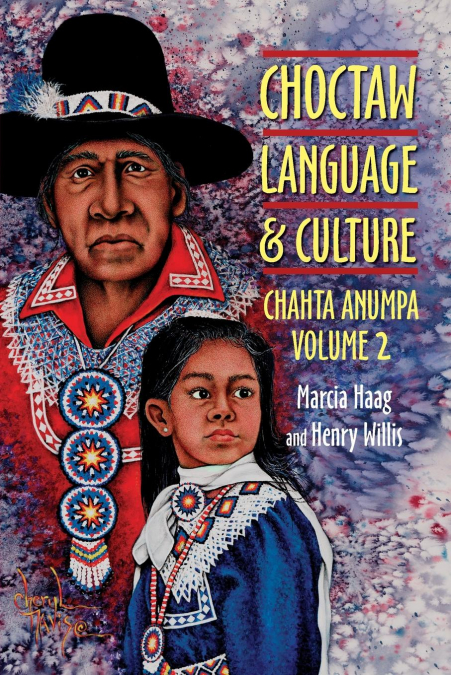
  • Choctaw Language and Culture
    Henry Willis / Marcia Haag
    Building on the foundations laid by the first volume of Choctaw Language and Culture, this follow-up text presents a more advanced linguistic study of Oklahoma Choctaw, accompanied by short stories and anecdotes written by Choctaws in their native language.The book is organized around twelve texts with translations, each followed by a grammar lesson, a vocabulary section that a...
    Disponible

    38,64 €

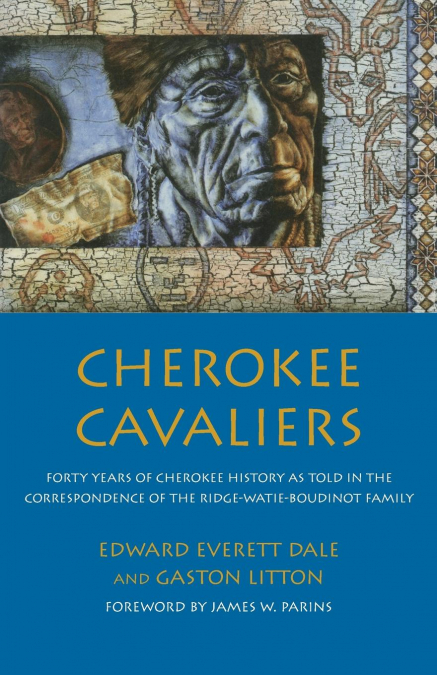
  • Cherokee Cavaliers
    Edward Everett Dale / Gaston Liston
    The two hundred letters which from the colorful mosaic of this story of the Cherokee tell for the first time, in the Indian’s own words, of more than forty years in the history of the old Cherokee Nation. These letters, found in three great trunks in Oklahoma by Edward Everett Dale, and here brought together, in collaboration with Gaston Litton, in sequence and with the necessa...
    Disponible

    17,00 €

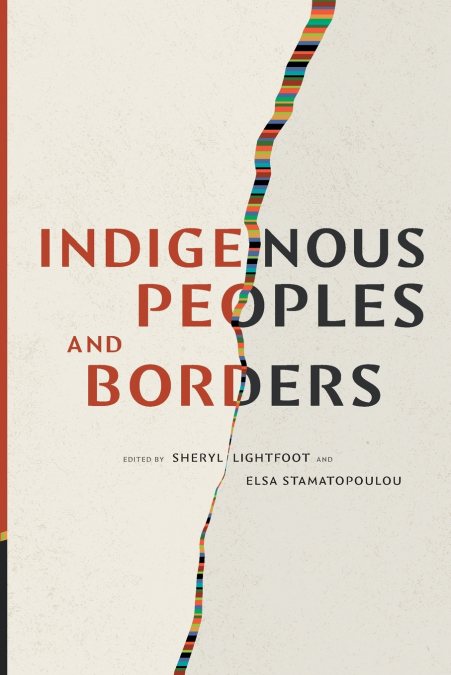
  • Indigenous Peoples and Borders
    Sheryl Lightfoot
    The legacies of borders are far-reaching for Indigenous Peoples. This collection offers new ways of understanding borders by departing from statist approaches to territoriality. Bringing together the fields of border studies, human rights, international relations, and Indigenous studies, it features a wide range of voices from across academia, public policy, and civil society. ...
    Disponible

    38,69 €

  • The Politics of Kinship
    Mark Rifkin
    What if we understood the idea of family as central to representing alternative forms of governance as expressions of racial deviance? In The Politics of Kinship, Mark Rifkin shows how ideologies of family, including notions of kinship, recast Indigenous and other forms of collective self-organization and self-determination as disruptive racial tendencies in need of state conta...
    Disponible

    38,84 €

  • Defend the Sacred
    Michael D. McNally
    The remarkable story of the innovative legal strategies Native Americans have used to protect their religious rightsFrom North Dakota’s Standing Rock encampments to Arizona’s San Francisco Peaks, Native Americans have repeatedly asserted legal rights to religious freedom to protect their sacred places, practices, objects, knowledge, and ancestral remains. But these claims have ...
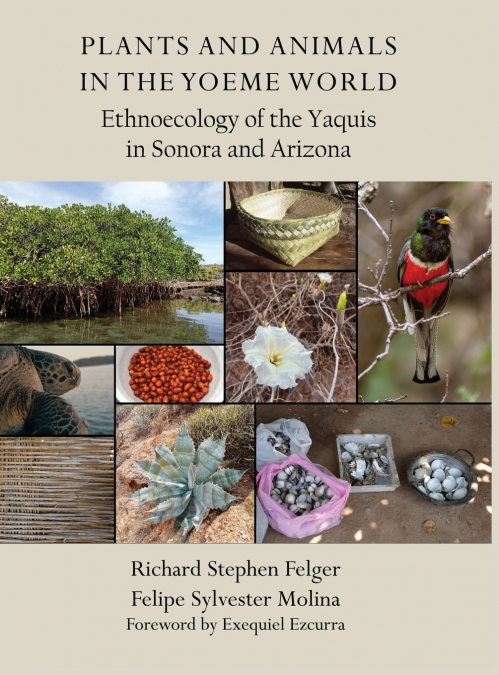
  • Plants and Animals in the Yoeme World
    Felipe S. Molina / Richard S. Felger
    This is a book about plants and animals in the Yoeme world, including the Yoem Bwiara in Sonora, Mexico, and that region of south-central Arizona where Yoeme communities formed during the diasporas of the nineteenth and twentieth centuries. We document more than 415 plant species and over 600 kinds (taxa) of animal life, and describe from historical and first-person accounts ma...

Otros libros del autor

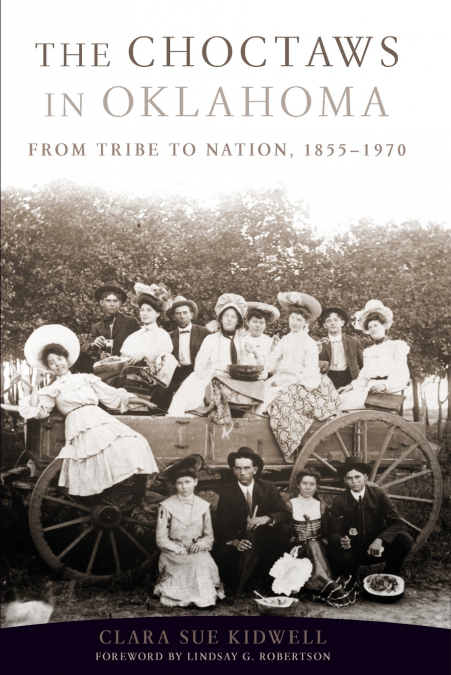
  • Choctaws in Oklahoma
    Clara Sue Kidwell
    he story of a people overcoming colonization Volume 2 in the American Indian Law and Policy SeriesThe Choctaws in Oklahoma begins with the Choctaws’ removal from Mississippi to Indian Territory in the 1830s and then traces the history of the tribe’s subsequent efforts to retain and expand its rights and to reassert tribal sovereignty in the late twentieth century.As Clara Sue K...
    Disponible

    30,70 €