

 Librería Samer Atenea
 Kálamo Books
 Librería Elías (Asturias)
 Librería Kolima (Madrid)
 Librería Proteo (Málaga)
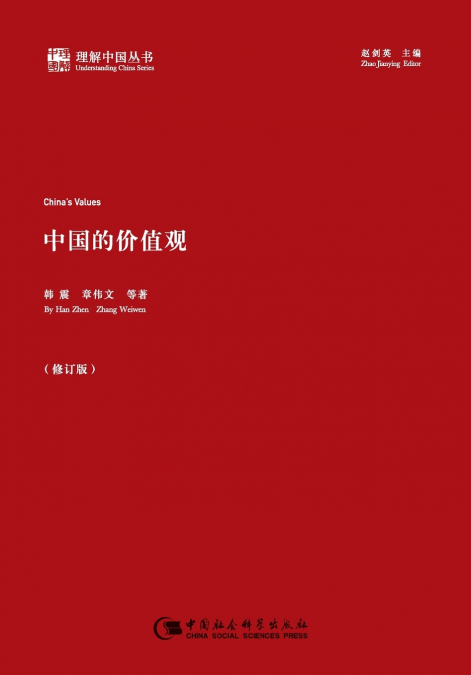
Against the backdrop of the West’s promotion of universal values, this book, in alignment with the guiding principles of the 18th National Congress of the Communist Party of China, argues that the Chinese people, based on their own history and national characteristics, have forged their own path and developed their own values - values that are not only consistent with China’s national conditions but also embody the common aspirations of humanity.China’s Values begins with an examination of the value systems of traditional Chinese society, offering a systematic introduction to the values of the major schools of traditional Chinese culture, including Confucianism, Mohism, and Daoism. On this basis, the book provides a detailed analysis of the core socialist values of China. Chapter 2 explains the importance of constructing contemporary Chinese core values. Chapters 3 through 5 then elaborate on these values from three dimensions:The value goals of national development: prosperity, democracy, civility, and harmony;The value principles of social institutions: freedom, equality, justice, and the rule of law;The value norms of civil society: patriotism, dedication, integrity, and friendship.在当今西方推销普世价值的背景下,本书根据十八大精神,提出了中国人根据自身的历史、民族特点,走自己的路,形成了自己的价值观,这种价值观符合中国人的民族特点,也具有人类共同的价值追求。《中国的价值观》从中国传统社会的价值观念入手,较系统地介绍了儒、墨、道家等中国传统文化的主要流派的价值观。在此基础上,对我国社会主义核心价值观进行了条分缕析式的诠释:第二章说明了构建当代中国核心价值观的重要性;第三至五章,分别从国家发展的价值目标(富强、民主、文明、和谐)、社会制度的价值理念(自由、平等、公正、法治)、公民社会的价值规范(爱国、敬业、诚信、友善)进行诠释。韩震,男,汉族,1958年5月生,山东省阳谷县人,哲学博士,教授,博士生导师。现任北京外国语大学校长,兼任*社会科学委员会委员,全国高等学校教学研究会理事会副理事长等职。1975年6月参加工作,1997年于北京师范大学马克思主义哲学专业博士研究生毕业。*'跨世纪人才'培养计划人选,2004年首批'新世纪百千万人才'人选,2005年中宣部'四个一批'人才培养人选,2006年2月任北京师范大学副校长。先后主持国家和省部级科研项目10多项,发表个人专著和主编著作10多部,教材6种,译著3部,论文、译文300余篇。





