Inicio > Lenguas > Lingüistica > Children’s Literature in Translation
Children’s Literature in Translation

Children’s Literature in Translation

Jan Van Coillie / Walter P. Verschueren

108,64 €
IVA incluido
Disponible
Editorial:
Taylor & Francis Ltd
Año de edición:
2006
Materia
Lingüistica
ISBN:
9781900650885
108,64 €
IVA incluido
Disponible

Selecciona una librería:

  • Librería Samer Atenea
  • Librería Aciertas (Toledo)
  • Kálamo Books
  • Librería Perelló (Valencia)
  • Librería Elías (Asturias)
  • Donde los libros
  • Librería Kolima (Madrid)
  • Librería Proteo (Málaga)

Children’s classics from Alice in Wonderland to the works of Astrid Lindgren, Roald Dahl, J.K. Rowling and Philip Pullman are now generally recognized as literary achievements that from a translator’s point of view are no less demanding than ’serious’ (adult) literature. This volume attempts to explore the various challenges posed by the translation of children’s literature and at the same time highlight some of the strategies that translators can and do follow when facing these challenges. A variety of translation theories and concepts are put to critical use, including Even-Zohar’s polysystem theory, Toury’s concept of norms, Venuti’s views on foreignizing and domesticating translations and on the translator’s (in)visibility, and Chesterman’s prototypical approach.Topics include the ethics of translating for children, the importance of child(hood) images, the ’revelation’ of the translator in prefaces, the role of translated children’s books in the establishment of literary canons, the status of translations in the former East Germany; questions of taboo and censorship in the translation of adolescent novels, the collision of norms in different translations of a Swedish children’s classic, the handling of ’cultural intertextuality’ in the Spanish translations of contemporary British fantasy books, strategies for translating cultural markers such as juvenile expressions, functional shifts caused by different translation strategies dealing with character names, and complex translation strategies used in dealing with the dual audience in Hans Christian Andersen’s fairy tales and in Salman Rushdie’s Haroun and the Sea of Stories.
Artículos relacionados

  • User-Centered Computer Aided Language Learning
    Giorgos Zacharia / Panayiotis Zaphiris
    ...
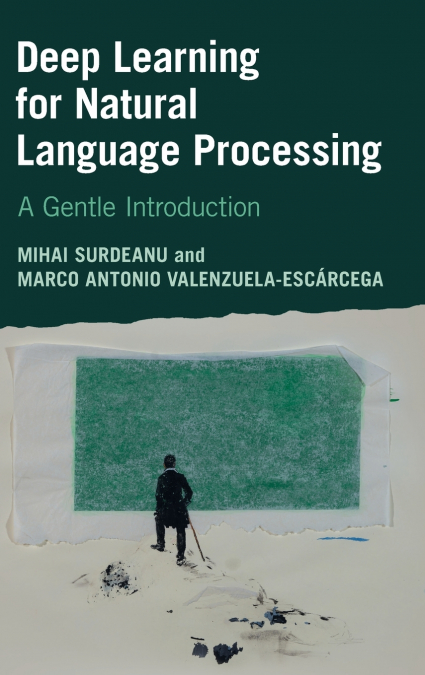
  • Deep Learning for Natural Language Processing
    Marco Antonio Valenzuela-Escárcega / Mihai Surdeanu
    ...
    Disponible

    47,60 €

  • Deep Learning for Natural Language Processing
    Marco Antonio Valenzuela-Escárcega / Mihai Surdeanu
    ...
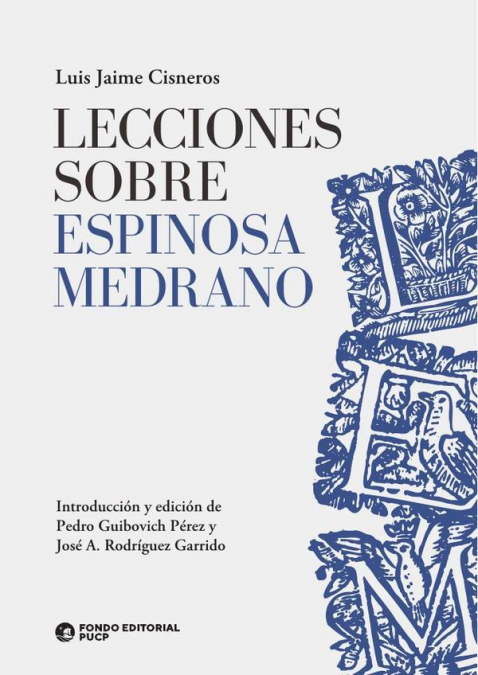
  • Lecciones sobre espinosa medrano
    Luis Jaime Cisneros Vizquerra
    La obra de Juan de Espinosa Medrano, apodado en su tiempo «El Lunarejo» (c. 1629-1688), fue uno de los mayores focos de interés académico de Luis Jaime Cisneros (1921-2011). En 1980 aparecieron sus primeros trabajos dedicados a estudiar los textos capitales de Espinosa Medrano (el Apologético en favor de don Luis de Góngora, la Panegírica declamación por la protección de las ci...
    Disponible

    17,63 €

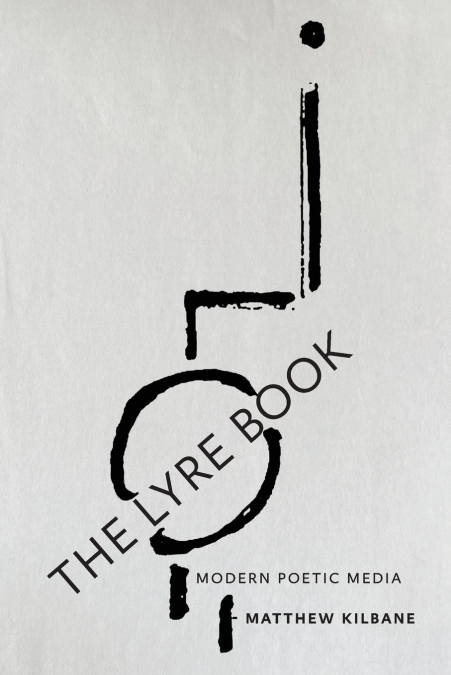
  • Lyre Book
    Matthew Kilbane
    Redefines modern lyric poetry at the intersection of literary and media studies.In The Lyre Book, Matthew Kilbane urges literary scholars to consider lyric not as a genre or a reading practice but as a media condition: the generative tension between writing and sound. In addition to clarifying issues central to the study of modern poetry--including its proximity to popular song...
    Disponible

    50,84 €

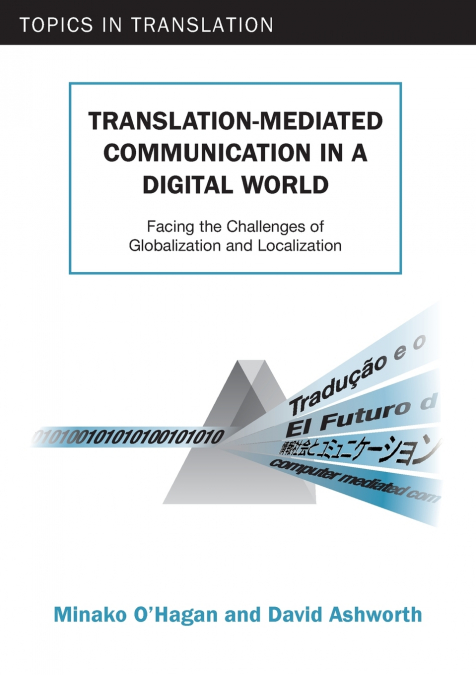
  • Translation-mediated Communication in a Digital World
    David Ashworth / Minako O’Hagan
    The Internet is accelerating globalization by exposing organizations and individuals to global audiences. This in turn is driving teletranslation and teleinterpretation, new types of multilingual support, which are functional in digital communications environments. The book describes teletranslation and teleinterpretation by exploring a number of key emerging contexts for langu...
    Disponible

    45,19 €