CCTV to prevent crime?

CCTV to prevent crime?

Susanne Grolle

25,24 €
IVA incluido
Disponible
Editorial:
GRIN Verlag
Año de edición:
2009
Materia
Delito y criminología
ISBN:
9783640354887
25,24 €
IVA incluido
Disponible

Selecciona una librería:

  • Librería Samer Atenea
  • Librería Aciertas (Toledo)
  • Kálamo Books
  • Librería Perelló (Valencia)
  • Librería Elías (Asturias)
  • Donde los libros
  • Librería Kolima (Madrid)
  • Librería Proteo (Málaga)

Essay from the year 2008 in the subject Sociology - Law, Delinquency, Abnormal Behavior, grade: 2.0, University of Münster, course: Experiencing the city, language: English, abstract: The appearance of surveillance cameras in public areas in the UK (streets, parks, car parks, shopping malls etc) is obvious to everyone using these kinds of spaces. They are used to watch people’s activities and behaviour and, if necessary react towards crime or anti-social behaviour. The UK is by far the most advanced country in Europe in regards to public surveillance research and installation. In the last decade the coverage has grown dramatically. In 1990 there were three town centre schemes with approximately 100 cameras and in 2002 there were approximately 500 schemes with around 40,000 cameras.The impression can be made that it is used as a general tool to prevent crime and promote a safer and cleaner community. But is it as effective as it promises to be and to what extent does it effect people’s perception and activity in neighbourhoods and cities? To what extent does CCTV influences the urban designer work? What needs to be considered when implementing CCTV in existing and new developments? This paper will help to understand the complexity of this question and issues related with its context.One approach to the topic lays in the question: Why do people feel scared and insecure in public areas? The ’fear of crime’ has become an important issue to consider within urban design and town planning. Being afraid of being a victim of crime can be positive if it leads to increased crime prevention, but it can also affect people’s quality of life in a negative way. This fear gets projected on the appearance of places and their users which lead towards banning beggars and on-street traders. In the argument about public surveillance, it is often mentioned that constant camera monitoring is reducing this ’fear of crime’.

Artículos relacionados

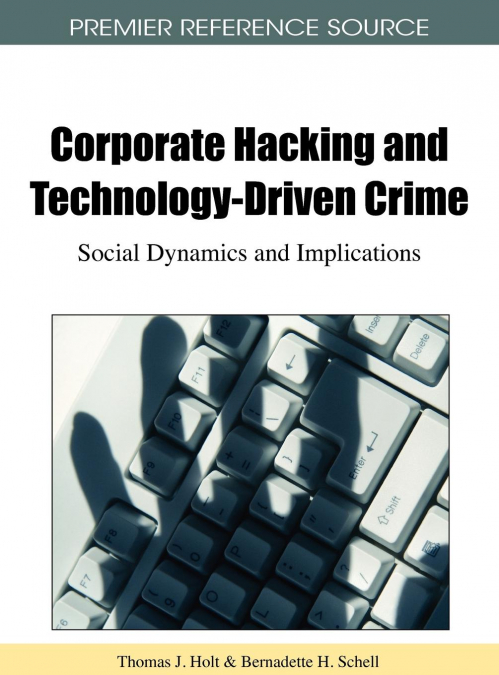
  • Corporate Hacking and Technology-Driven Crime
    In an age when computer crime is growing at a exponential rate and on a global scale, industry and government leaders are increasingly reliant upon answers from the academic and IT Security fields in order to keep cyber crime in check, and be ahead of the 'cyber criminal curve.' Corporate Hacking and Technology-Driven Crime: Social Dynamics and Implications addresses various as...
  • Cybercrime and Cloud Forensics
    Keyun Ruan
    While cloud computing continues to transform developments in information technology services, these advancements have contributed to a rise in cyber attacks; producing an urgent need to extend the applications of investigation processes. Cybercrime and Cloud Forensics: Applications for Investigation Processes presents a collection of research and case studies of applications fo...
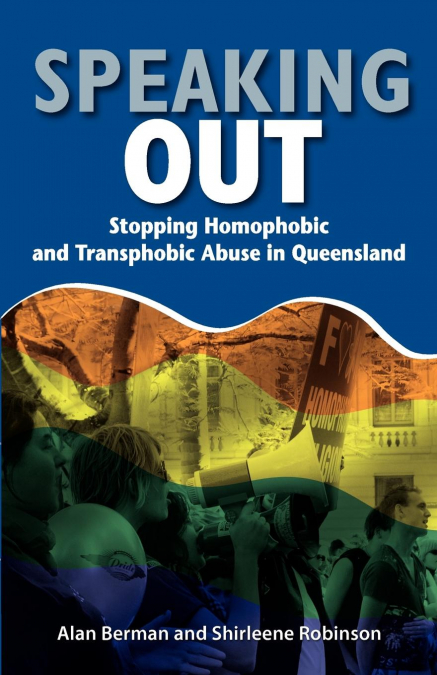
  • Speaking Out
    Alan Berman / Berman Alan / Shirleene Robinson
    Based on the largest survey of gay, lesbian, bisexual, intersex, transgender and queer reactions to violence and harassment ever undertaken in Australia, this book gives voice to the many victims who have suffered in the state once recognised as Australia’s most homophobic. It tells of the barriers people face in dealing with the legal system, the reasons why some do not report...
    Disponible

    41,71 €

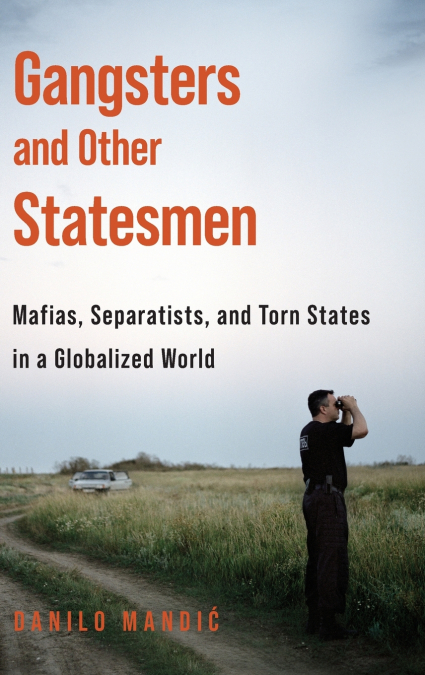
  • Gangsters and Other Statesmen
    Danilo Mandić
    How global organized crime shapes the politics of borders in modern conflictsSeparatism has been on the rise across the world since the end of the Cold War, dividing countries through political strife, ethnic conflict, and civil war, and redrawing the political map. Gangsters and Other Statesmen examines the role transnational mafias play in the success and failure of separatis...
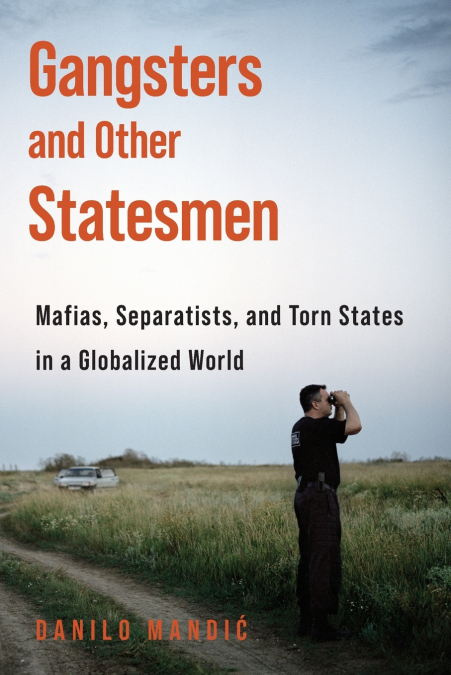
  • Gangsters and Other Statesmen
    Danilo Mandić
    How global organized crime shapes the politics of borders in modern conflictsSeparatism has been on the rise across the world since the end of the Cold War, dividing countries through political strife, ethnic conflict, and civil war, and redrawing the political map. Gangsters and Other Statesmen examines the role transnational mafias play in the success and failure of separatis...
    Disponible

    45,87 €

  • Mafias on the Move
    Federico Varese
    'A compelling read and an impeccable work of reference.'-John le CarréOrganized crime is spreading like a global virus as mobs take advantage of open borders to establish local franchises at will. That at least is the fear, inspired by stories of Russian mobsters in New York, Chinese triads in London, and Italian mafias throughout the West.As Federico Varese explains in this co...
    Disponible

    45,90 €