Inicio > Lenguas > Lingüistica > Semántica, análisis del discurso, etc. > Causation, Explanation, and the Metaphysics of Aspect
Causation, Explanation, and the Metaphysics of Aspect

Causation, Explanation, and the Metaphysics of Aspect

Bradford Skow

111,45 €
IVA incluido
Consulta disponibilidad
Editorial:
Oxford University Press
Año de edición:
2019
Materia
Semántica, análisis del discurso, etc.
ISBN:
9780198826965

Selecciona una librería:

  • Librería Samer Atenea
  • Librería Aciertas (Toledo)
  • Kálamo Books
  • Librería Perelló (Valencia)
  • Librería Elías (Asturias)
  • Donde los libros
  • Librería Kolima (Madrid)
  • Librería Proteo (Málaga)

When you light a match it is the striking of it which causes the lighting; the presence of oxygen in the room is a background condition to the lighting. But in virtue of what is the striking a cause while the presence of oxygen is a background condition? When a fragile glass breaks it manifests a disposition to break when struck; however, not everything that breaks manifests this disposition. So under what conditions does something, in breaking, manifest fragility? After some therapy a man might stop being irascible and he might lose the disposition to become angry at the slightest provocation. If he does then he will have lost the disposition after an 'internal' change. Can someone lose, or gain, a disposition merely as a result of a change in its external circumstances? Facts about the structure of society can, it seems, explain other facts. But how do they do it? Are there different kinds of structural explanations? Many things are said to be causes: a rock, when we say that the rock caused the window to break, and an event, when we say that the striking of the window caused its breakage. Which kind of causation - causation by events, or causation by things - is more basic? In Causation, Explanation, and the Metaphysics of Aspect, Bradford Skow defends answers to these questions. His answers rely on a pair of connected distinctions: first is the distinction between acting, or doing something, and not acting; second is the distinction between situations in which an event happens, and situations in which instead something is in some state. The first distinction is used to draw the second: an event happens if and only if something does something.

Artículos relacionados

  • Handbook of Research on Digital Tools for Writing Instruction in K-12 Settings
    Clif Mims / John Anderson / Rebecca Sanderson
    More emphasis is being placed on writing instruction in K-12 schools than ever before. With the growing number of digital tools in the classroom, it is important that K-12 teachers learn how to use these tools to effectively teach writing in all content areas. The Handbook of Research on Digital Tools for Writing Instruction in K-12 Settings will provide research about how stud...
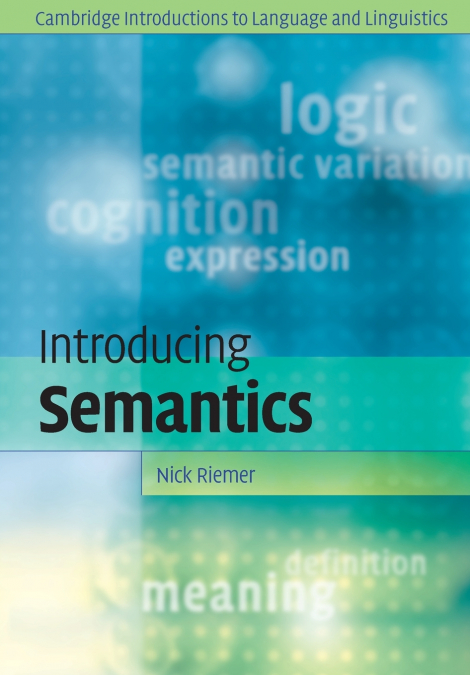
  • Introducing Semantics
    Nick Riemer
    ...
    Disponible

    84,03 €

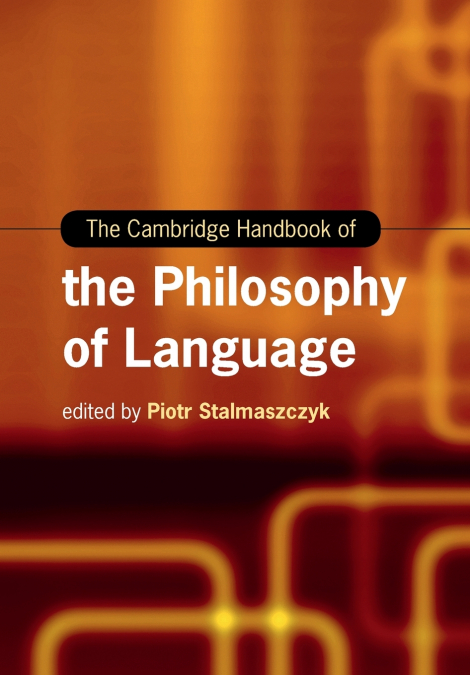
  • The Cambridge Handbook of the Philosophy of Language
    Piotr Stalmaszczyk
    ...
    Disponible

    76,02 €

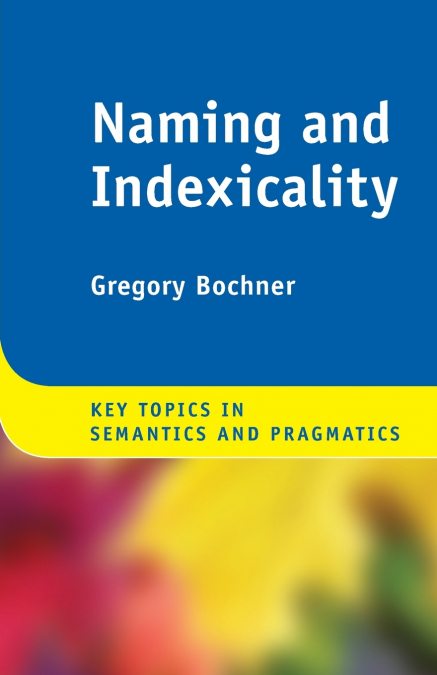
  • Naming and Indexicality
    Gregory Bochner
    ...
    Disponible

    35,53 €

  • Philosophy of Language
    Richmond H. Thomason / Zoltán Gendler Szabó
    ...
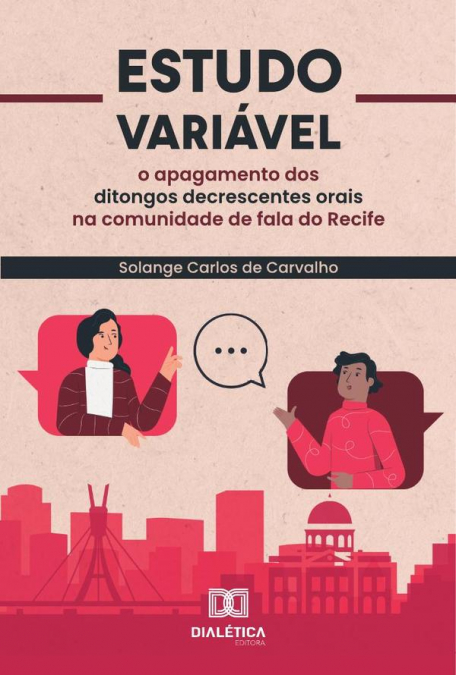
  • Estudo Variável
    Solange Carlos De Carvalho
    O Ditongo No Português É Suscetível A Regras Variáveis De Epêntese, De Apagamento. O Estudo Para A Composição Deste Livro Está Centrado Na Regra Variável De Apagamento Dos Ditongos Decrescentes Orais, Objeto De Análise Em Várias Comunidades De Fala Do Brasil, Sobretudo No Nordeste. Este Livro Descreve E Analisa A Realização Variável De Tais Ditongos Entre Os Falantes Do Recife-...
    Disponible

    14,04 €

Otros libros del autor

  • American Independence in Verse
    Bradford Skow
    'Britain is a haughty nation drunk with powerAnd acts the drunken man upon a precipice.'Here is the epic story of American Independence, from the Stamp Tax riots to the Declaration, told in verse by its opponents and its champions: among them, Samuel Adams, Benjamin Franklin, and George Washington.'If we here boldly speak our grievances,We speak as free men enjoying rightsDeriv...
    Disponible

    13,76 €

  • Reasons Why
    Bradford Skow
    Reasons Why first argues that what philosophers are really after, or at least should be after, when they seek a theory of explanation, is a theory of answers to why-questions. It then advances a thesis about what form a theory of answers to why-questions should take: a theory of answers to why-questions should say what it takes for one fact to be a reason why another fact obtai...
    Disponible

    48,70 €