 Librería Samer Atenea
 Kálamo Books
 Librería Elías (Asturias)
 Librería Kolima (Madrid)
 Librería Proteo (Málaga)
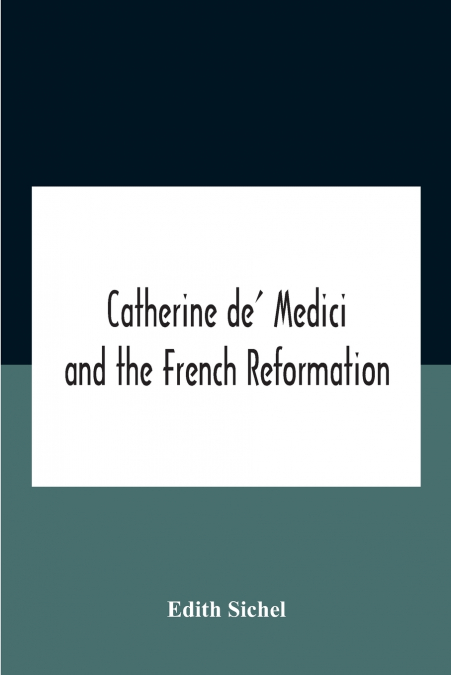
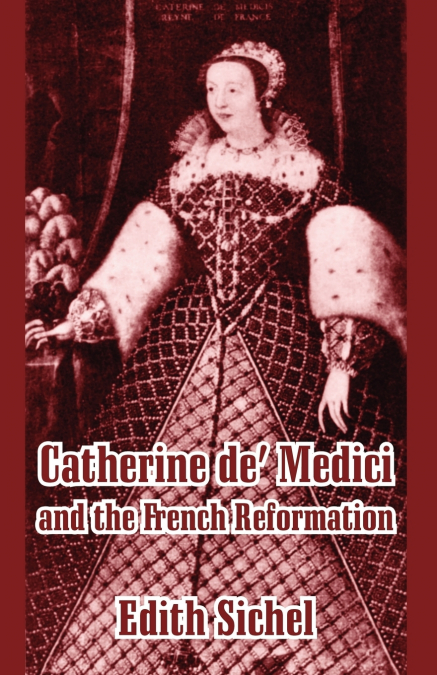
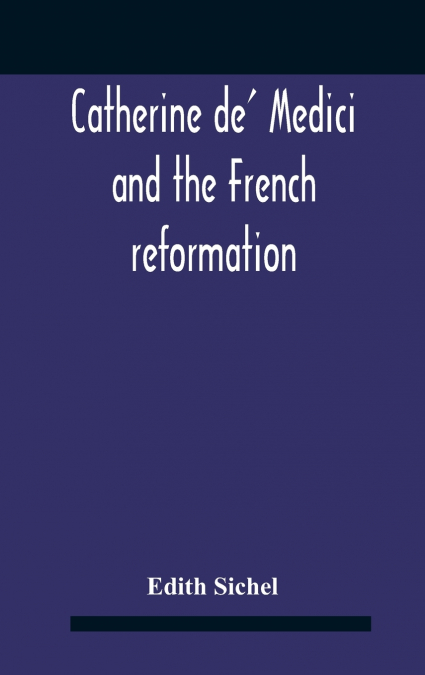
Catherine De’ Medici And The French Reformation presents a clear-eyed portrait of power, persuasion and peril in sixteenth-century France. She played a dangerous game. Edith Sichel’s historical biography traces the queen’s navigation of court factions, religious convulsions and dynastic obligation, offering richly observed scenes of political intrigue in France and a sympathetic study of a woman in power. Written with scholarly care yet told with narrative momentum, this renaissance history book situates its subject at the crossroads of reformation era Europe and the french religious wars while illuminating Medici family history and the fraught politics of the Valois court.Republished by Alpha Editions in a careful modern edition, this volume preserves the spirit of the original while making it effortless to enjoy today - a heritage title prepared for readers and collectors alike. Sichel’s work holds enduring literary and historical significance: a measured biography that opens a window on the ideas, alliances and anxieties that shaped queens of France and early modern government. Her prose balances formal restraint with moments of vivid observation, making complex material accessible without sacrificing analytic rigour. Students and instructors will find it a useful companion for an academic reading list or a history students collection; casual readers will appreciate the human detail and drama. Equally, classic-literature collectors and those who seek european royalty nonfiction or renaissance history book titles will prize this reissue for its context and clarity. For anyone interested in political intrigue in France, the shifting alliances of sixteenth century France, or studies of women in power during the Reformation era, Sichel’s book remains an essential, readable source. Far from simplistic judgements, Sichel teases out the nuances of political agency and religious conviction in a period often reduced to headlines, supplying context that complements modern scholarship on statecraft and confession. Its period sensibility and narrative balance make this edition particularly rewarding for researchers, historians and readers who want depth without dense academic jargon.