 Librería Samer Atenea
 Kálamo Books
 Librería Elías (Asturias)
 Librería Kolima (Madrid)
 Librería Proteo (Málaga)
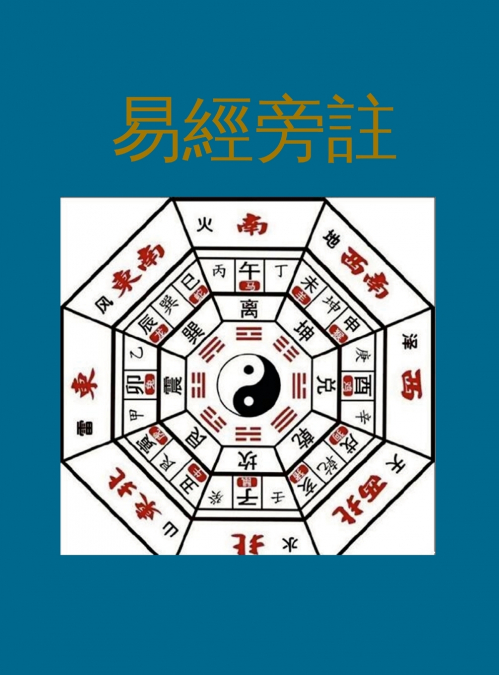
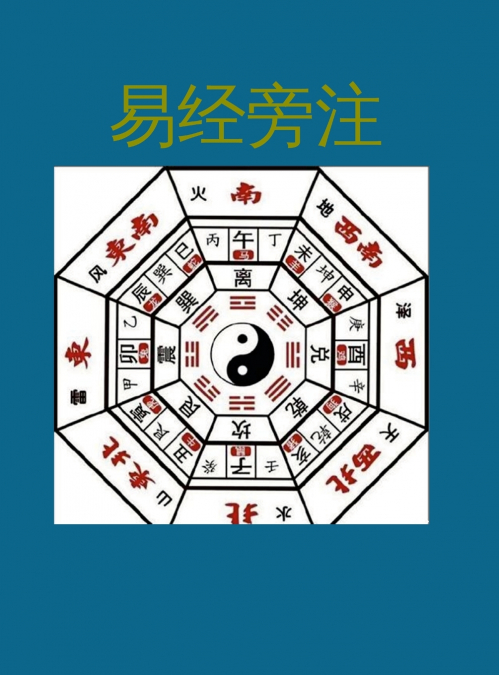
I-CHING, also named ' The Book of Change,' is among the oldest Chinese classics. The I Ching was originally a divination manual in the Western Zhou period (1000-750 BC). Throughout the Warring States and early imperial periods (500-200 BC), it transformed into a cosmological text with a series of philosophical commentaries known as the Ten Wings.After becoming part of the Chinese Five Classics in the 2nd century BC, the I Ching was the basis for divination practice for centuries across the Far East and was the subject of scholarly commentary. Between the 18th and 20th centuries, it was influential in Western understanding of East Asian philosophical thought.As a divination text, the I Ching is used for a Chinese form of cleromancy known as the I Ching divination, in which bundles of yarrow stalks (or coins) are manipulated to produce sets of six random numbers ranging from 6 to 9. Each of the 64 possible sets corresponds to a hexagram, which can be looked up in the I Ching. The hexagrams are arranged in an order known as the King Wen sequence. The interpretation of the readings found in the I Ching has been discussed and debated over the centuries. Many commentators have used the book symbolically, often to guide moral decision-making, as informed by Confucianism, Taoism, and Buddhism. The hexagrams have usually acquired cosmological significance and have been paralleled with many other traditional names for change processes, such as yin, yang, and Wu Xing.