Buddhists, Shamans, and Soviets

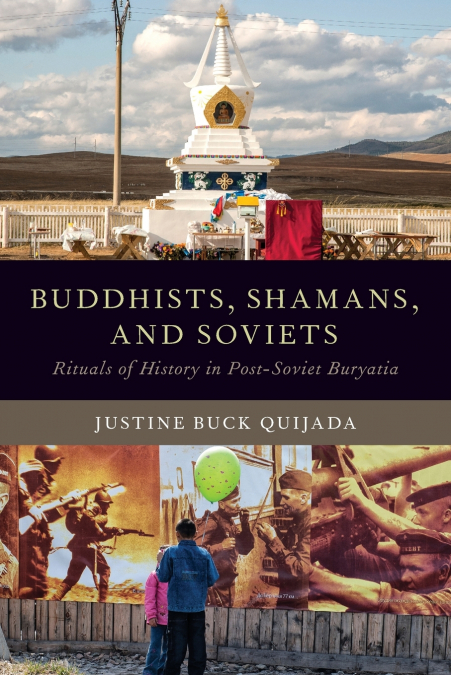
Buddhists, Shamans, and Soviets

Justine Buck Quijada

219,59 €
IVA incluido
Consulta disponibilidad
Editorial:
Oxford University Press
Año de edición:
2019
Materia
Historia de otras regiones
ISBN:
9780190916794

Selecciona una librería:

  • Librería Samer Atenea
  • Librería Aciertas (Toledo)
  • Kálamo Books
  • Librería Perelló (Valencia)
  • Librería Elías (Asturias)
  • Donde los libros
  • Librería Kolima (Madrid)
  • Librería Proteo (Málaga)

History in the Soviet Union was a political project. From the Soviet perspective, Buryats, an indigenous Siberian ethnic group, were a 'backwards' nationality that was carried along on the inexorable march towards the Communist utopian future. When the Soviet Union ended, the Soviet version of history lost its power and Buryats, like other Siberian indigenous peoples, were able to revive religious and cultural traditions that had been suppressed by the Soviet state. In the process, they also recovered knowledge about the past that the Soviet Union had silenced. Borrowing the analytic lens of the chronotope from Bakhtin, Quijada argues that rituals have chronotopes which situate people within time and space. As they revived rituals, Post-Soviet Buryats encountered new historical information and traditional ways of being in time that enabled them to re-imagine the Buryat past, and what it means to be Buryat. Through the temporal perspective of a reincarnating Buddhist monk, Dashi-Dorzho Etigelov, Buddhists come to see the Soviet period as a test on the path of dharma. Shamanic practitioners, in contrast, renegotiate their relationship to the past by speaking to their ancestors through the bodies of shamans. By comparing the versions of history that are produced in Buddhist, shamanic and civic rituals, Buddhists, Shamans and Soviets offers a new lens for analyzing ritual, a new perspective on how an indigenous people grapples with a history of state repression, and an innovative approach to the ethnographic study of how people know about the past.

Artículos relacionados

  • Negotiating the NWT Devolution of Lands & Resources
    Hal J. Gerein / Hal JGerein
    In this story, the author is the GNWT's Chief Negotiator for the devolution of lands and resources from Canada. Devolution means the transfer of authority from a senior level of government to a junior level. Many national governments today areinvolved with devolution as a means to "subsidiarity", the principle that politicalpower should be exercised by the least central or ...
    Disponible

    44,75 €

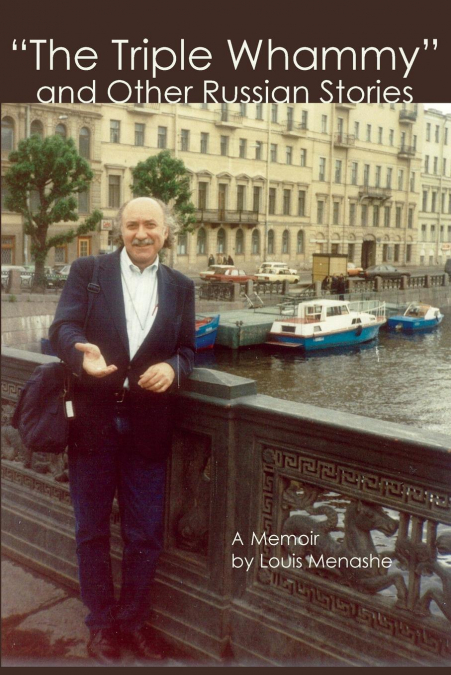
  • 'THE TRIPLE WHAMMY' AND OTHER RUSSIAN STORIES
    Louis Menashe
    A captivating lifetime of personal and professional experiences by an American historian, film specialist and documentary filmmaker in the Soviet Union and post-Soviet Russia. The author’s experiences as a radical in the turbulent 1960s, and his eventual disenchantment offer some precedents and perspectives to all those on the Left, Center or Right interested in the fluctuation...
    Disponible

    26,31 €

  • In Defence of Lenin
    Alan Woods / Rob Sewell
    John Reed, the author of Ten Days that Shook the World, once said that Lenin was the most loved and the most hated person alive. He was loved by tens of millions who wanted to change society, but hated by the ruling class and their apologists.As the creator of the Bolshevik Party and leader of the Russian Revolution, Lenin was a man who changed the world and translated the idea...
    Disponible

    23,85 €

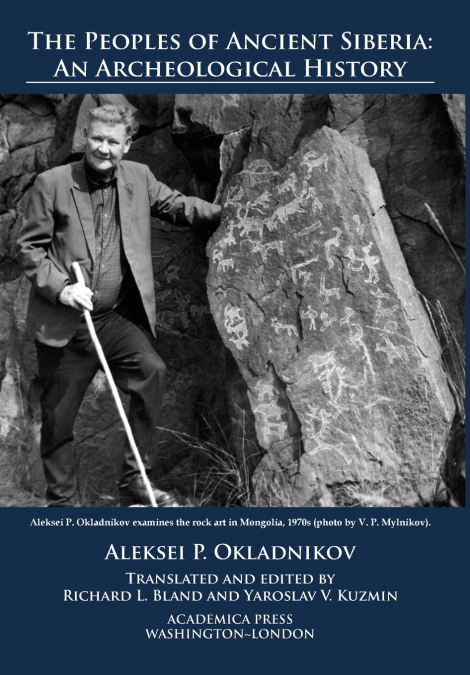
  • The peoples of Ancient Siberia
    Aleksei P Okladnikov / Richard L Bland
    Foreword: Elena A. Okladnikova, Herzen University, St. Petersburg (Russia), Deputy Director for Museum Work at the Peter the Great Museum of Anthropology and Ethnography (Kunstkamera)Translators: Richard L. Bland, Archeologist (retired), U.S. National Park Service, Heritage Research Associates, University of Oregon Museum of Natural and Cultural History; Yaroslav V. Kuzmin, Ins...
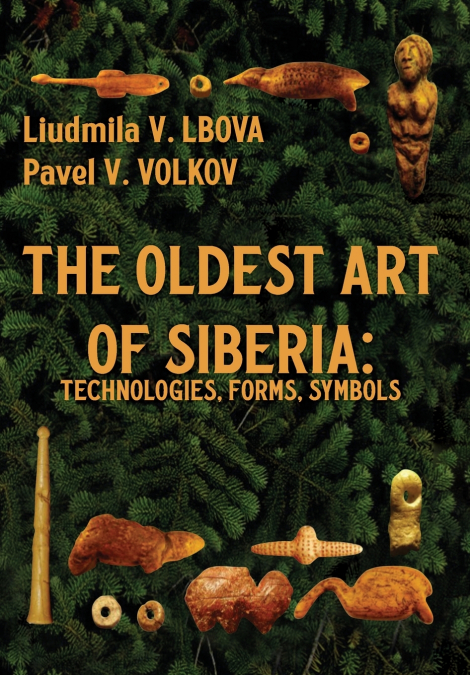
  • The Oldest Art of Siberia
    Liudmila V Lbova / Pavel V Volkov / Richard L Bland
    Primitive art is inseparable from primitive consciousness and can be correctly understood only with the correct socio-cultural context. This book examines the ancient art of Siberia as part of the integral whole of ancient society. ...
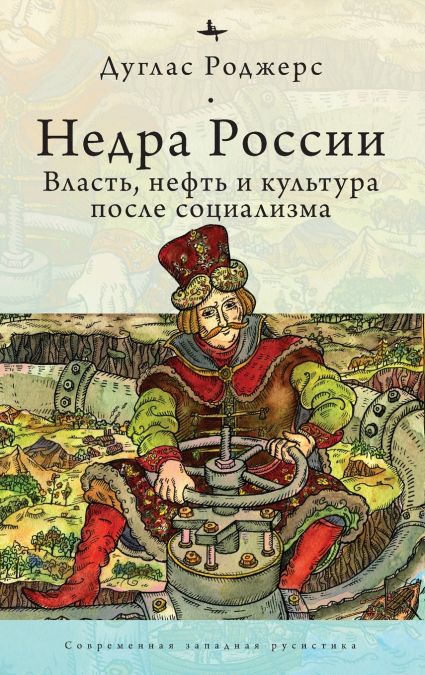
  • The Depths of Russia
    Douglas Rogers / Polina Shubina
    In The Depths of Russia, Yale anthropologist and historian Douglas Rogers tells the history of Russian oil from the perspective of the Perm region of the Urals. From the discovery of world’s first socialist oil in 1929 to the oil-fueled social and cultural politics of the 2000s, he shows how Permian oil illuminates the place of oil in the modern world in new ways. Rogers pays p...

Otros libros del autor