 Librería Samer Atenea
 Kálamo Books
 Librería Elías (Asturias)
 Librería Kolima (Madrid)
 Librería Proteo (Málaga)
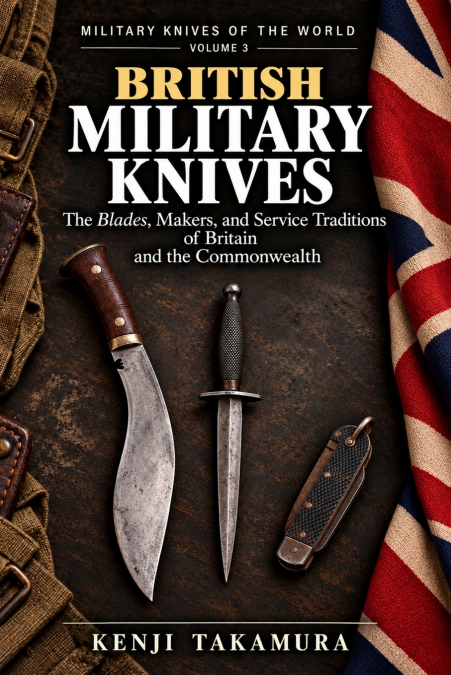
From the legendary Fairbairn-Sykes fighting knife to the iconic Gurkha kukri, discover the fascinating history of Britain’s military blades.BRITISH MILITARY KNIVES explores the evolution of fighting knives, commando daggers, trench weapons, naval clasp knives, and field blades used by British and Commonwealth forces across generations of military service.Part of the Military Knives of the World series, this historical volume examines the weapons, manufacturers, military traditions, and industrial developments that shaped British military knives from earlier regimental practices through the First and Second World Wars and into the modern era.Discover the history behind Britain’s most distinctive military knives:Fairbairn-Sykes Fighting Knife: Explore the origins of Britain’s famous commando dagger, its designers William E. Fairbairn and Eric A. Sykes, its wartime adoption, and its manufacturing variations.British Commando Knives: Examine the specialized fighting blades associated with British commandos and other wartime formations.Gurkha Kukri: Discover the Nepalese origins, military service, and enduring regimental significance of this distinctive curved blade.World War I Trench Knives: Follow the development of improvised weapons, privately purchased daggers, and specialized blades during trench warfare.Sheffield Knife Makers: Understand the influence of British cutlery manufacturers, production methods, and government procurement.British Army and Naval Clasp Knives: Explore the practical folding knives and working tools used by soldiers and sailors.Commonwealth Military Knives: Examine the connections between British designs, overseas manufacturing, and military service across Commonwealth forces.Postwar Field and Survival Knives: Trace the changing roles of military cutting tools and survival equipment after World War II.Beyond celebrated fighting knives, the book investigates the relationship between military requirements, commercial production, regional traditions, and personal equipment. It distinguishes officially issued patterns from privately purchased blades while explaining how knives served as weapons, working tools, and symbols of military identity.Drawing upon historical documentation and museum collections, Kenji Takamura presents an informative and accessible account of British military knife history, separating documented evidence from popular assumptions and legends.An engaging historical reference for military history enthusiasts, knife collectors, edged-weapon researchers, and readers interested in British commandos, Gurkha traditions, and Commonwealth military equipment.BRITISH MILITARY KNIVES - Volume 3 reveals how craftsmanship, industrial production, military necessity, and regimental tradition shaped the blades carried by British and Commonwealth servicemen.