 Librería Samer Atenea
 Kálamo Books
 Librería Elías (Asturias)
 Librería Kolima (Madrid)
 Librería Proteo (Málaga)
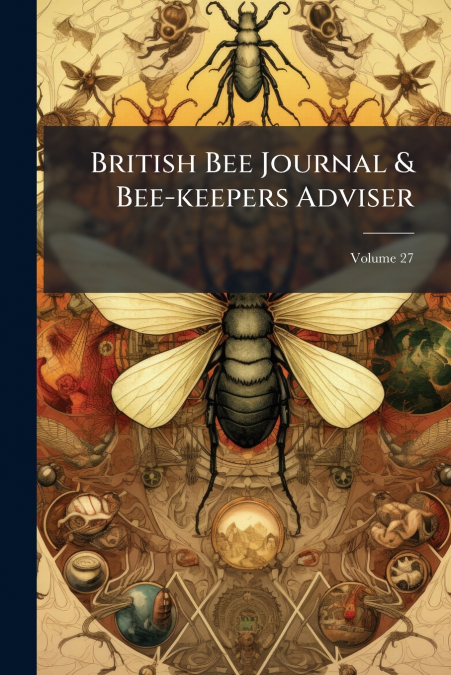
Dive into the world of apiculture with the 'British Bee Journal & Bee-keepers Adviser, Volume 27.' This historical journal offers a fascinating glimpse into the practices and knowledge surrounding beekeeping in late 19th-century Britain. Authored anonymously, this volume provides practical advice and insights for both novice and experienced bee-keepers. Explore topics ranging from hive management and honey production to the latest advancements in bee-keeping techniques. This journal captures the challenges and rewards of working with bees, reflecting a deep appreciation for these vital insects and their role in agriculture. Whether you’re a modern bee-keeper seeking historical context, a researcher studying the evolution of agricultural practices, or simply a curious reader, this volume offers a unique and informative journey into the world of bees and those who care for them.This work has been selected by scholars as being culturally important, and is part of the knowledge base of civilization as we know it. This work was reproduced from the original artifact, and remains as true to the original work as possible. Therefore, you will see the original copyright references, library stamps (as most of these works have been housed in our most important libraries around the world), and other notations in the work.This work is in the public domain in the United States of America, and possibly other nations. Within the United States, you may freely copy and distribute this work, as no entity (individual or corporate) has a copyright on the body of the work.As a reproduction of a historical artifact, this work may contain missing or blurred pages, poor pictures, errant marks, etc. Scholars believe, and we concur, that this work is important enough to be preserved, reproduced, and made generally available to the public. We appreciate your support of the preservation process, and thank you for being an important part of keeping this knowledge alive and relevant.