Brave Enough to Be Wrong

Brave Enough to Be Wrong

John H. Cousins III

12,69 €
IVA incluido
Disponible
Editorial:
Palmetto Publishing
Año de edición:
2026
Materia
Ética y filosofía moral
ISBN:
9798318828867
12,69 €
IVA incluido
Disponible

Selecciona una librería:

  • Librería Samer Atenea

  • Kálamo Books
  • Librería Elías (Asturias)
  • Librería Kolima (Madrid)
  • Librería Proteo (Málaga)

In Brave Enough to Be Wrong, John Cousins offers a transformative perspective for those feeling overwhelmed by the chaos of modern life. This book acts as a reset button, guiding readers through the noise of political and religious divisions. By introducing the Cousins Wager, Cousins provides a method to cut through distractions and reach the Ground, a place where safety, worth, and respect can thrive. Rather than presenting definitive answers, this work serves as a manual for dismantling the barriers that separate us.Cousins encourages embracing vulnerability and the potential for being wrong, fostering an environment of open dialogue and empathy. Through engaging anecdotes and practical exercises, readers are invited to challenge their assumptions and explore differing viewpoints. This journey empowers individuals to reclaim their voices amidst the clamor of societal discord.Brave Enough to Be Wrong inspires reflection and meaningful conversations that bridge divides, equipping readers with the tools necessary for fostering understanding and connection in their relationships and communities. The book emphasizes the importance of growth, learning, and transformation, inviting readers to step back from the chaos and engage with the world in a more compassionate and connected manner. Ultimately, this work is a call to action, encouraging individuals to embrace the opportunity for personal and collective change in a world that often feels divided.Learn more at johnhamiltoncousinsiii.com.
Artículos relacionados

  • Ka Ab Ba Building The Lighted Temple
    Dr Terri R. Nelson / Dr Terri RNelson
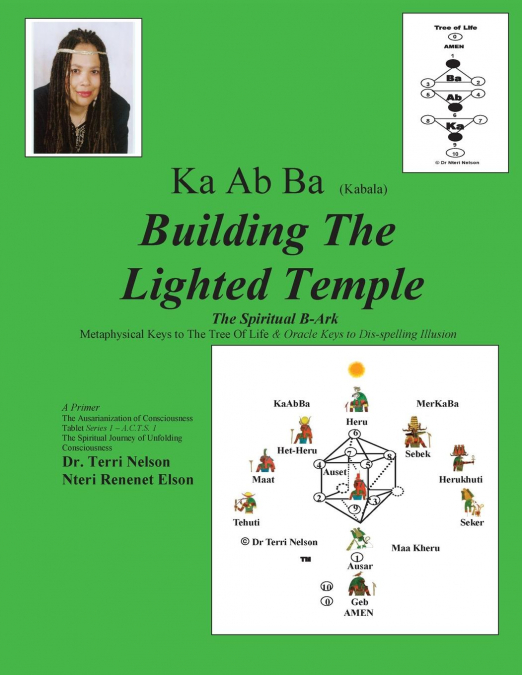
    The book KaAbBa Building The Lighted Temple/Metaphysical Keys to the Tree of Life draws a circle that is inclusive of the Afrikan origin of the Ancient Kemetic/Egyptian wisdom. It reveals the undeniable root and link of Ancient Africa to all the religious systems that would develop worldwide. This book is explosive in its power to convey the meaning of KaAbBa, the Medu Neter  (...
    Disponible

    37,41 €

  • Technoethics and the Evolving Knowledge Society
    Rocci Luppicini
    Recently, there has been a major push to rediscover the ethical dimension of technology across the sciences, social sciences, and humanities. Technoethics and the Evolving Knowledge Society: Ethical Issues in Technological Design, Research, Development, and Innovation examines human processes and practices connected to technology embedded within social, political, and moral sph...
  • Kant
    Immanuel Kant
    Kant’s Groundwork of the Metaphysics of Morals is one of the most important works in modern moral philosophy. It belongs beside Plato, Aristotle, Machiavelli, and Hobbes. Here Kant sets out to articulate and defend the Categorical Imperative - the fundamental principle that underlies moral reasoning - and to lay the foundation for a comprehensive account of justice and human vi...
  • On the Duty of Civil Disobedience
    HENRY DAVID THOREAU
    Civil Disobedience argues that citizens should not permit their governments to overrule their consciences, and that they have a duty to avoid allowing their acquiescence to enable the government to make them the agents of injustice. Thoreau was motivated in part by his disgust with slavery and the Mexican-American War, but the sentiments he expresses here are just as pertinent ...
  • Beyond Good and Evil
    Friedrich Nietzsche
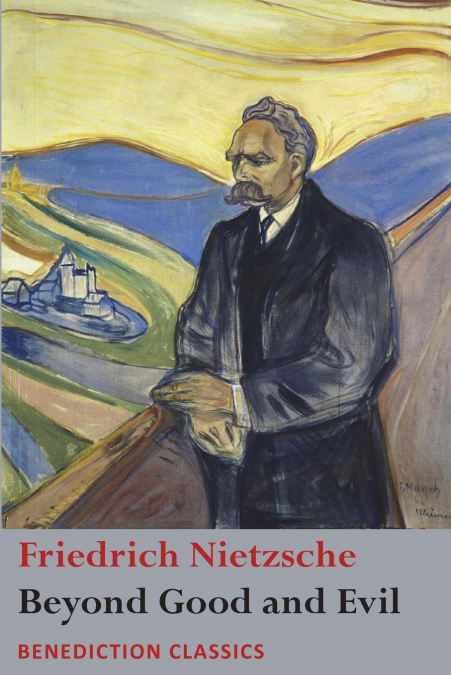
    Nietzsche, though primarily a philosopher, wrote widely on art, philology, history, religion, tragedy, culture, and science.  In 1886, at the height of his powers, he published Beyond Good and Evil.  Here he examines much of the best of human thought--dogmatic philosophy, Judeo-Christian morality, science and democracy – and finds it lacking.  Rejecting “slave-morality” he pres...
  • Beyond Good and Evil
    Friedrich Nietzsche
    Nietzsche, though primarily a philosopher, wrote widely on art, philology, history, religion, tragedy, culture, and science.  In 1886, at the height of his powers, he published Beyond Good and Evil.  Here he examines much of the best of human thought--dogmatic philosophy, Judeo-Christian morality, science and democracy – and finds it lacking.  Rejecting “slave-morality” he pres...
    Disponible

    9,99 €