
Inicio > Literatura y estudios literarios > Literatura: historia y crítica > Bram Stoker, Dracula, and the Historical Scene
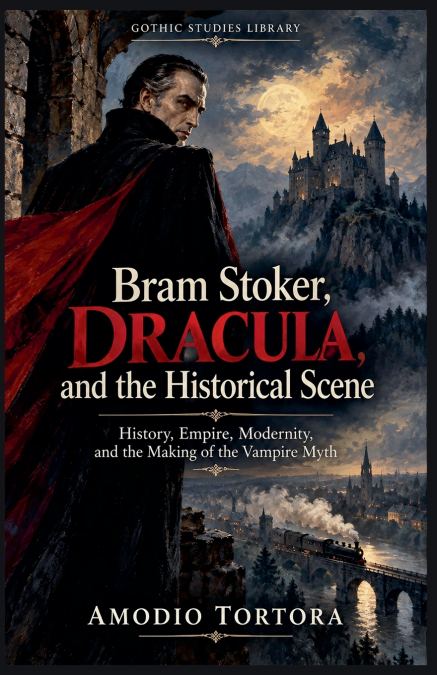
Bram Stoker, Dracula, and the Historical Scene

Bram Stoker, Dracula, and the Historical Scene

Amodio Tortora

12,98 €
IVA incluido
Consulta disponibilidad
Editorial:
Self-Publishing
Año de edición:
2026
Materia
Literatura: historia y crítica
ISBN:
9798237688603

Selecciona una librería:

  • Librería Samer Atenea

  • Kálamo Books
  • Librería Elías (Asturias)
  • Librería Kolima (Madrid)
  • Librería Proteo (Málaga)

Unpublished work - First edition: Year 2026.Bram Stoker, Dracula, and the Historical Scene examines Dracula as a Gothic work created at the intersection of history, modernity, empire, science, gender, and cultural memory. The study argues that Stoker’s vampire gains his power from the collision of incompatible worlds: medieval warfare and modern property law, folklore and medicine, aristocratic lineage and professional expertise, the castle and the railway. Dracula becomes the figure through whom the Victorian present confronts a past that refuses to remain safely past.The book reconstructs Stoker’s historical context, from his Irish upbringing and Trinity College education to his career with Henry Irving at London’s Lyceum Theatre. Rather than treating biography as a simple key to the novel, it shows how Stoker’s experience of bureaucracy, theatre, journalism, travel, Ireland, and imperial Britain contributed to the conditions from which Dracula emerged.It then investigates the novel’s composition and sources. Stoker’s surviving notes reveal a method based on research, selection, and recombination: vampire literature, Gothic fiction, travel writing, Eastern European folklore, historical fragments, maps, and geographical studies were transformed into a new fictional system. It also challenges the exaggerated connection between Count Dracula and Vlad III. Stoker encountered the name 'Dracula' and fragments of regional history, but his vampire cannot be treated as a fictional biography of Vlad the Impaler. The distinction shows how fiction can reshape historical memory.Successive chapters place Dracula within the Gothic tradition and fin-de-siècle anxieties. The Count’s migration to England is examined through empire, invasion, degeneration, migration, and 'reverse colonization,' without reducing him to a single allegory. Science and superstition are not simple opposites: the hunters succeed by combining medicine and technology with documentary evidence, folklore, and religious knowledge.Gender and sexuality provide another perspective. Lucy, Mina, the female vampires, and the male hunters are read against debates over the New Woman, desire, masculinity, and women’s changing roles. Mina’s technical and analytical skills make her indispensable even while she remains surrounded by conventional ideals of femininity; the novel thus both destabilizes and attempts to restore established gender norms.The geographical analysis distinguishes historical Transylvania from Stoker’s Gothic construction, assembled at a distance from travel books, folklore, maps, and imaginative synthesis. London, however, proves that Gothic danger cannot be confined to a remote East. Its property market, railways, newspapers, communications, crowds, and anonymity provide Dracula with the infrastructure of invasion. His enemies respond by turning scattered evidence into a collective archive.Finally, the book follows Dracula beyond 1897 into theatre, cinema, criticism, tourism, and popular mythology. From Nosferatu and Bela Lugosi to Hammer, Christopher Lee, and later reinterpretations, adaptation produces a composite Dracula often different from Stoker’s Count. The fusion of the fictional vampire with Vlad III and the tourist mythology of Transylvania show how cultural memory can reverse the relationship between history and fiction. The study concludes that Dracula’s durability depends upon transformation: Stoker turned historical fragments into Gothic myth, while later culture turned that myth back into apparent history. Dracula survives because successive periods can give him new forms through which to renegotiate the boundaries between past and present, rational and irrational, self and Other, history and myth.
Artículos relacionados

  • Wordsworth's Political Writings
    This compilation by Richard Gravil of texts edited by W J B Owen and J W Smyser presents the four major political texts in Wordsworth’s prose oeuvre and illustrates both the detail of the poet’s political grasp, and the remarkable swerves he made between 1793 and 1835. The first text, A Letter to the Bishop of Llandaff (1793) is severely Jacobinical. Had Wordsworth published it...
    Disponible

    25,27 €

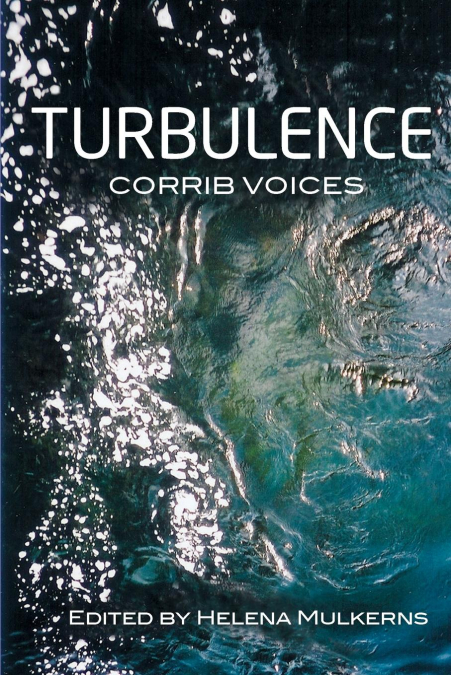
  • Turbulence
    Various Artists
    An anthology of work from writers and poets taking part in the MA in Writing at the National University of Ireland, Galway, this book was originally published in 2003. It features an introduction by Irish Writer Mike McCormack, Winner of the Goldsmith Prize 2016 for 'Solar Bones', who was Writer-In-Residence in NUIG at that time. It features fiction: a bald trapeze artist seeks...
    Disponible

    11,45 €

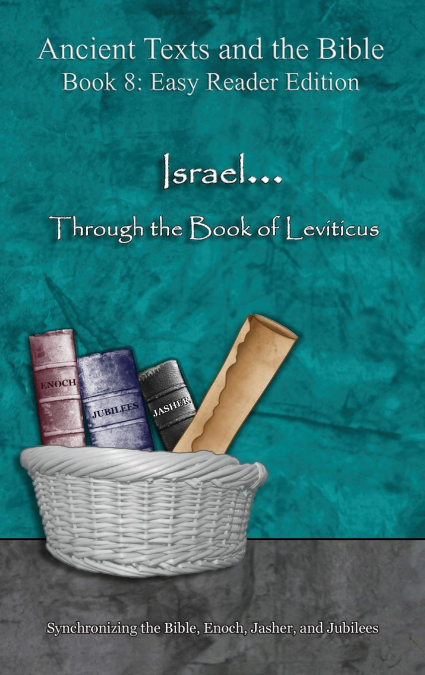
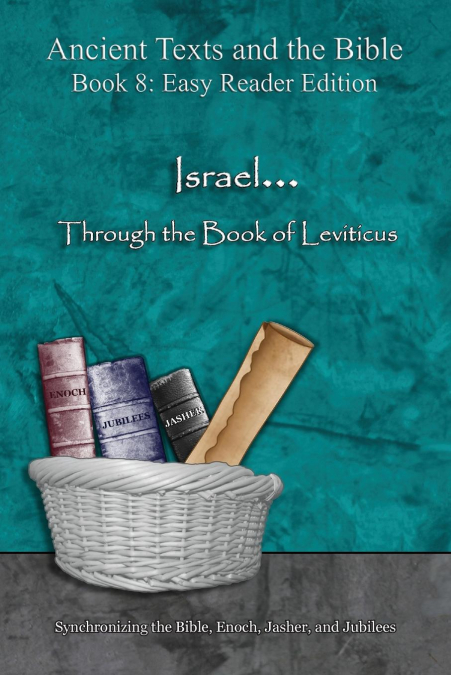
  • Israel... Through the Book of Leviticus - Easy Reader Edition
    Ahava Lilburn
    The Ancient Texts and the Bible series was compiled by Ahava Lilburn and produced by Minister 2 Others. This ten volume set synchronizes the manuscripts of Enoch, Jasher, and Jubilees into the Bible, making one complete storyline.  The books are interwoven using the Torah as the backbone, and the extra-biblical texts as the fleshing out of that backbone.The eighth book in this ...
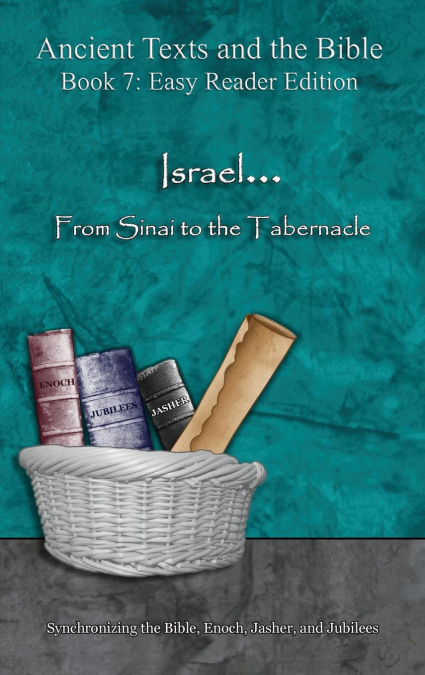
  • Israel... From Sinai to the Tabernacle - Easy Reader Edition
    Ahava Lilburn
    The Ancient Texts and the Bible series was compiled by Ahava Lilburn and produced by Minister 2 Others. This ten volume set synchronizes the manuscripts of Enoch, Jasher, and Jubilees into the Bible, making one complete storyline.  The books are interwoven using the Torah as the backbone, and the extra-biblical texts as the fleshing out of that backbone.The seventh book in this...
  • Israel... Through the Book of Leviticus - Easy Reader Edition
    Ahava Lilburn
    The Ancient Texts and the Bible series was compiled by Ahava Lilburn and produced by Minister 2 Others. This ten volume set synchronizes the manuscripts of Enoch, Jasher, and Jubilees into the Bible, making one complete storyline.  The books are interwoven using the Torah as the backbone, and the extra-biblical texts as the fleshing out of that backbone.The eighth book in this ...
    Disponible

    25,39 €

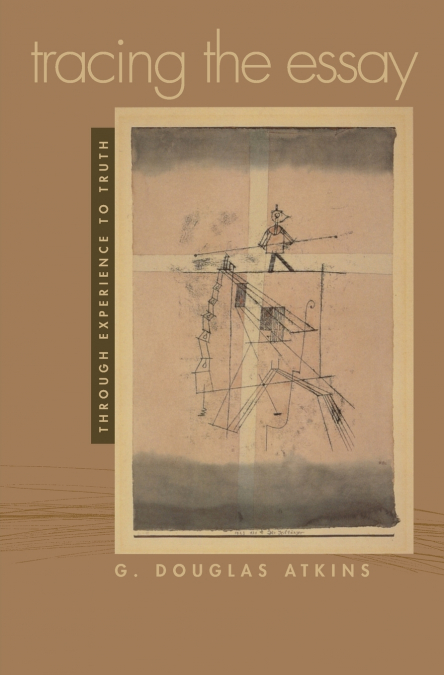
  • Tracing the Essay
    G. Douglas Atkins
    The essay, as a notably hard form of writing to pin down, has inspired some unflattering descriptions: It is a greased pig, for example, or a pair of baggy pants into which nearly anything and everything can fit. In Tracing the Essay, G. Douglas Atkins embraces the very qualities that have moved others to accord the essay second-class citizenship in the world of letters.Drawing...
    Disponible

    30,56 €

Otros libros del autor

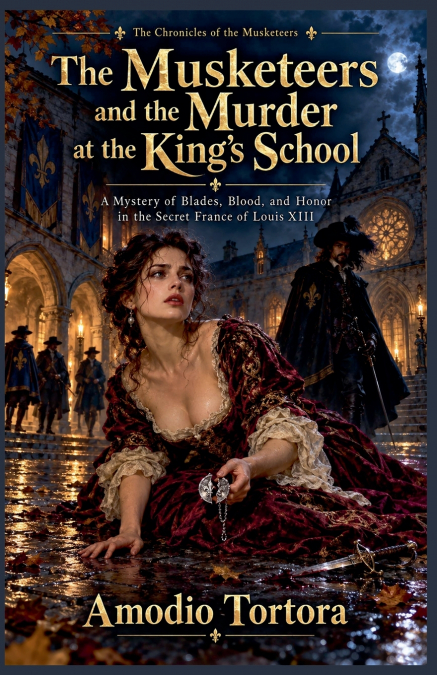
  • The Musketeers and the Murder at the King’s School
    Amodio Tortora
    In the autumn of 1627, while Paris lives under Richelieu’s power, Aramis receives an unexpected letter from Béatrice de Valombre, an austere widow and an old acquaintance, now the editor of a small devotional periodical. The letter carries the trembling voice of Madeleine Rouvier, wife of Étienne, a fencing instructor at the Royal School of Young Musketeers of Saint-Martin-de-A...
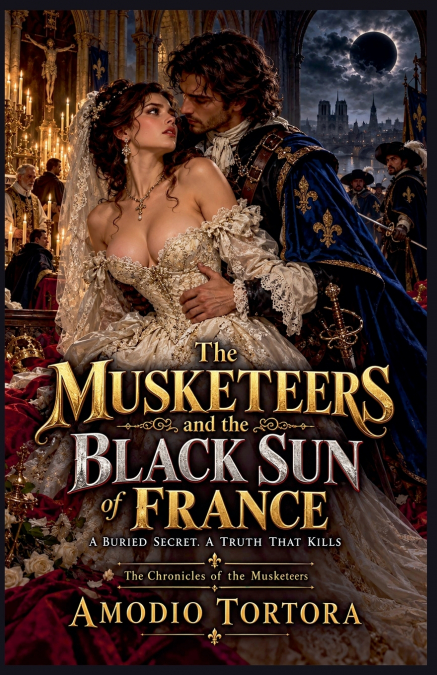
  • The Musketeers and the Black Sun of France
    Amodio Tortora
    On May 5, 1635, Paris should have awakened to a festive morning: in the chapel of Saint-Roch, Armand de Valcour is about to marry Isabelle de Brévannes. At his side stand Athos, Porthos, Aramis, and d’Artagnan, ready to watch over the wedding and their friendship. But dawn never comes. The sky remains sealed beneath an unnatural darkness, without stars or the faintest glimmer o...
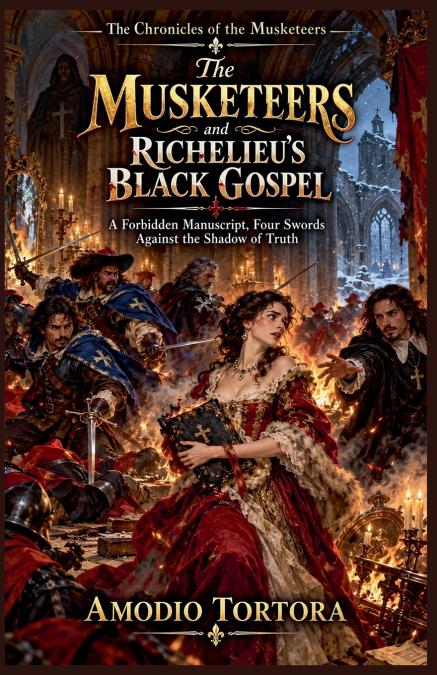
  • The Musketeers and Richelieu’s Black Gospel
    Amodio Tortora
    In the winter of 1627, a Paris silenced beneath the snow is disturbed by an impossible death. In the monastery of the Black Canons, a copyist is found slumped over his writing desk, his fingers blackened by ink that seems to have penetrated his flesh, and a Latin phrase carved into the wood: truth was buried before the Cross. The incident immediately comes to the attention of C...
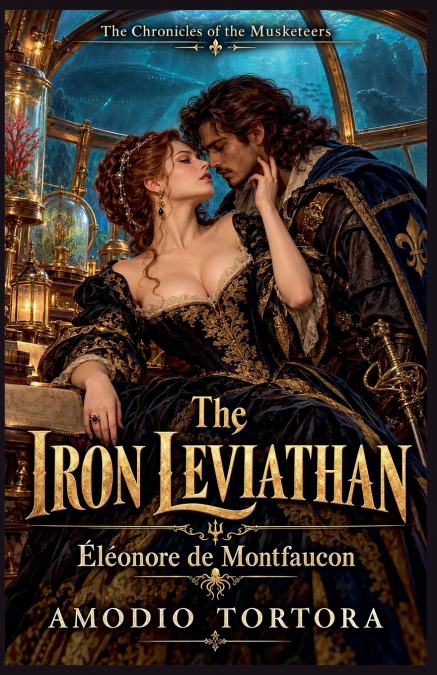
  • The Iron Leviathan
    Amodio Tortora
    In the year 1627, while the France of Louis XIII is torn apart by religious wars and court rivalries, a mysterious terror begins to spread along the Atlantic shipping routes. Merchant ships, Spanish galleons, and French vessels are found torn open or sunk, and the few survivors tell of an impossible creature: a monster of steel, black and gleaming, capable of rising from the wa...
  • The Musketeers and the Children of Ash
    Amodio Tortora
    During the siege of La Rochelle, on a night thick with fog, hunger, and the smell of rotting seawater, a royal patrol discovers that something is moving beneath the old arsenal. From the sealed tunnels emerge figures that should be dead: gray, hollowed-out men, impervious to blades and muskets, capable of falling and rising again as though death no longer held any power over th...
  • The Black Heart of the Sea
    Amodio Tortora
    In the somber France of the seventeenth century, Éléonore de Montfaucon lives in hiding among the salt marshes of Guérande, in a house without coats of arms, her body ravaged by black vitro: a mysterious substance that has bound her to the abyss and calls to her every night from the depths of the sea. When her elderly servant Jérôme delivers a bundle left by her father before h...