

 Librería Samer Atenea
 Kálamo Books
 Librería Elías (Asturias)
 Librería Kolima (Madrid)
 Librería Proteo (Málaga)
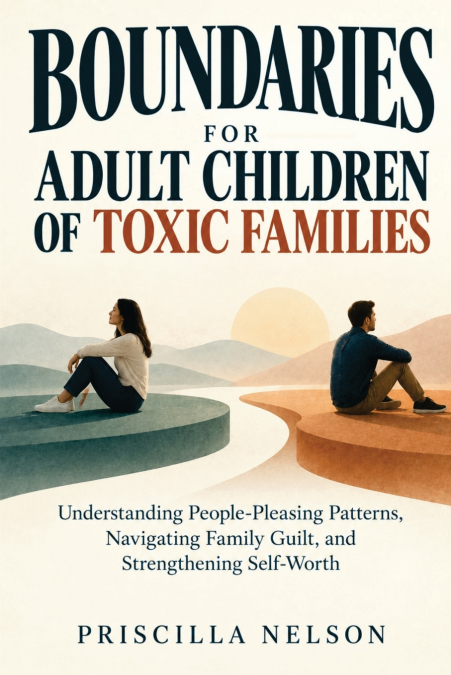
If keeping the peace has taught you to put your own needs last, setting a boundary can feel surprisingly difficult.For adult children of difficult or toxic families, a simple 'no' can bring a wave of guilt. Taking some distance may feel selfish. Speaking honestly may trigger old fears of conflict, rejection, or disappointing someone you have spent years trying to keep happy.Those reactions can follow you well into adulthood. People-pleasing may become a familiar way of managing family tension. You may find yourself over-explaining your choices, taking responsibility for other people’s feelings, or questioning whether your needs are reasonable in the first place.Understanding these patterns can make it easier to approach boundaries with more clarity and less confusion.Inside, you will explore:People-pleasing patterns and the ways they can shape your responses to family tension, expectations, requests, and disagreement.Family guilt and the difference between taking responsibility for your own actions and carrying responsibility for another person’s feelings or choices.Boundaries in complicated relationships, including what it can look like to set a limit when someone else does not agree with it.Boundary pushback and the familiar habits of explaining, appeasing, over-functioning, or trying to keep everyone comfortable.Contact, distance, and responsibility when a family relationship remains difficult and there is no simple answer.Self-worth and approval, including the ways your sense of value can become tied to compliance, acceptance, or family harmony.Personal responsibility and choice so you can separate what belongs to you from what belongs to other people and make more deliberate decisions about difficult relationships.Family relationships rarely fit into simple categories. A boundary does not automatically mean confrontation, forgiveness, reconciliation, or cutting someone off. Depending on the circumstances, it may mean changing what you participate in, saying less, stepping back, or accepting that another person may not understand or agree with your decision.The focus is not on controlling another person’s response. It is on understanding your own patterns, recognizing what is yours to carry, and becoming more deliberate about the limits you choose to set.If you have learned to question your needs, over-explain your choices, or feel responsible for keeping everyone else comfortable, these ideas can give you a clearer framework for understanding those patterns and considering what healthier boundaries might look like in your own life.





