
Inicio > Humanidades > Filosofía > Ética y filosofía moral > Bonhoeffers Ethik im Gegensatz zum nationalsozialistischen Weltbild
Bonhoeffers Ethik im Gegensatz zum nationalsozialistischen Weltbild

Bonhoeffers Ethik im Gegensatz zum nationalsozialistischen Weltbild

Dajana Geffken

22,13 €
IVA incluido
Disponible
Editorial:
GRIN Verlag
Año de edición:
2011
Materia
Ética y filosofía moral
ISBN:
9783656083085
22,13 €
IVA incluido
Disponible

Selecciona una librería:

  • Librería Samer Atenea
  • Librería Aciertas (Toledo)
  • Kálamo Books
  • Librería Perelló (Valencia)
  • Librería Elías (Asturias)
  • Donde los libros
  • Librería Kolima (Madrid)
  • Librería Proteo (Málaga)

Studienarbeit aus dem Jahr 2011 im Fachbereich Ethik, Note: 1,3, Universität Bremen, Veranstaltung: Theologie / Religionswissenschaft, Sprache: Deutsch, Abstract: Die folgende Hausarbeit soll die Thematik von Dietrich Bonhoeffers „Ethik im Widerspruch zum nationalsozialistischen Weltbild' behandeln. Im Rahmen der Veranstaltung „Dietrich Bonhoeffer: Schöpfung und Fall' an der Universität Bremen haben wir uns im Wintersemester 2010/2011 mit Dietrich Bonhoeffer auseinandergesetzt. Wenn man sich mit Dietrich Bonhoeffer befasst, so kommt man, alleine schon aus biografischen Gründen, nicht herum, sich mit seinem hohen ethischen Anspruch zu beschäftigen, den er nicht nur schriftlich darlegte, den er vor allem auch vorlebte. Diese Tatsache, dass er sich, bezogen auf seinen ethischen Anspruch, offiziell gegen den Nationalsozialismus stellte und die Verbrechen offen anklagte, führte letztendlich auch zu seinem Tod.Ich versuche in der Hausarbeit aufzuzeigen, was Bonhoeffers Ethik ausmachte und in welchem Gegensatz diese zur nationalsozialistischen Weltanschauung stand. Des Weiteren werde ich versuchen, meine Ausführungen stets im historischen Kontext darzustellen, da dieser, bei einer solchen Fragestellung, meiner Meinung nach einen hohen Stellenwert haben muss, da die historischen Ereignisse zu jener Zeit zu einschneidend waren und sie bewusst oder unbewusst das damalige Leben diktierten. Ich möchte nicht unerwähnt lassen, was mich zu dieser Fragestellung bewogen hat. Es ist die Tatsache, dass Dietrich Bonhoeffer seiner inneren Überzeugung folgte, obwohl er sich über die Gefahren, die dieser Sachverhalt bot, im Klaren war. Es scheint, als wenn seine innere Überzeugung als Theologe ihm keine andere Wahl ließ, als dieses Menschheitsverbrechen anzuklagen. Ich möchte kurz aufzeigen, wie ich diese Hausarbeit gliedere. Zuerst möchte ich die Biografie Bonhoeffers bis 1940 kurz darstellen, weil er ab 1940 konkrete Entwürfe zur christlichen Ethik unter dem Einfluss des NS-Regimes n


Artículos relacionados

  • Ka Ab Ba Building The Lighted Temple
    Dr Terri R. Nelson / Dr Terri RNelson
    The book KaAbBa Building The Lighted Temple/Metaphysical Keys to the Tree of Life draws a circle that is inclusive of the Afrikan origin of the Ancient Kemetic/Egyptian wisdom. It reveals the undeniable root and link of Ancient Africa to all the religious systems that would develop worldwide. This book is explosive in its power to convey the meaning of KaAbBa, the Medu Neter  (...
    Disponible

    37,41 €

  • Technoethics and the Evolving Knowledge Society
    Rocci Luppicini
    Recently, there has been a major push to rediscover the ethical dimension of technology across the sciences, social sciences, and humanities. Technoethics and the Evolving Knowledge Society: Ethical Issues in Technological Design, Research, Development, and Innovation examines human processes and practices connected to technology embedded within social, political, and moral sph...
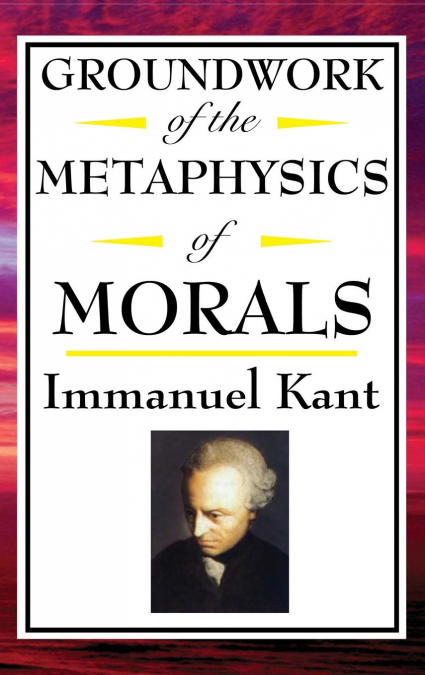
  • Kant
    Immanuel Kant
    Kant’s Groundwork of the Metaphysics of Morals is one of the most important works in modern moral philosophy. It belongs beside Plato, Aristotle, Machiavelli, and Hobbes. Here Kant sets out to articulate and defend the Categorical Imperative - the fundamental principle that underlies moral reasoning - and to lay the foundation for a comprehensive account of justice and human vi...
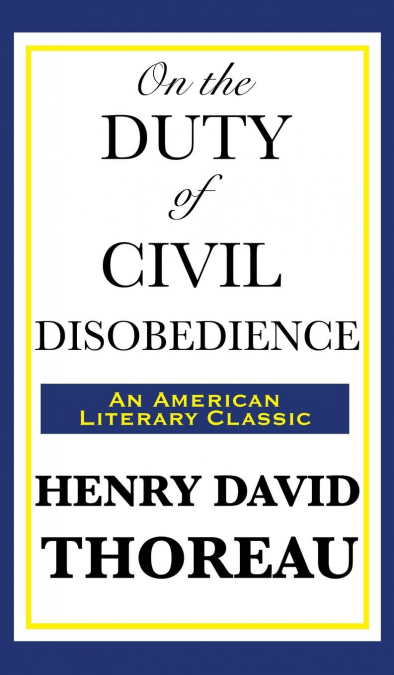
  • On the Duty of Civil Disobedience
    HENRY DAVID THOREAU
    Civil Disobedience argues that citizens should not permit their governments to overrule their consciences, and that they have a duty to avoid allowing their acquiescence to enable the government to make them the agents of injustice. Thoreau was motivated in part by his disgust with slavery and the Mexican-American War, but the sentiments he expresses here are just as pertinent ...
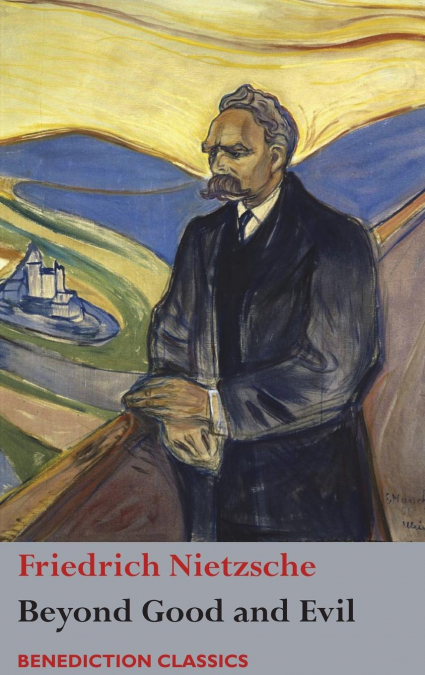
  • Beyond Good and Evil
    Friedrich Nietzsche
    Nietzsche, though primarily a philosopher, wrote widely on art, philology, history, religion, tragedy, culture, and science.  In 1886, at the height of his powers, he published Beyond Good and Evil.  Here he examines much of the best of human thought--dogmatic philosophy, Judeo-Christian morality, science and democracy – and finds it lacking.  Rejecting “slave-morality” he pres...
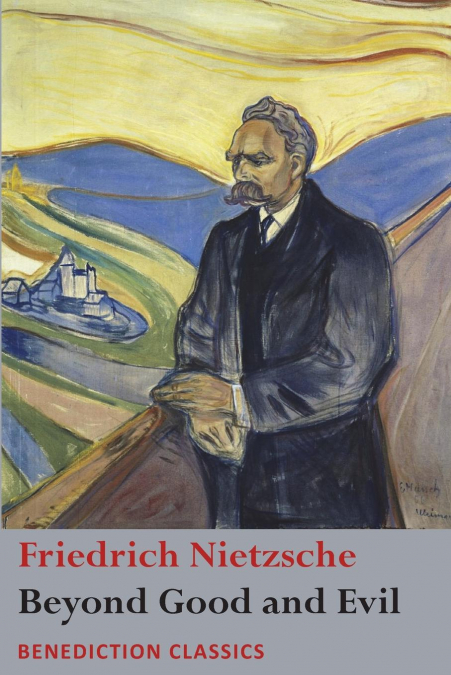
  • Beyond Good and Evil
    Friedrich Nietzsche
    Nietzsche, though primarily a philosopher, wrote widely on art, philology, history, religion, tragedy, culture, and science.  In 1886, at the height of his powers, he published Beyond Good and Evil.  Here he examines much of the best of human thought--dogmatic philosophy, Judeo-Christian morality, science and democracy – and finds it lacking.  Rejecting “slave-morality” he pres...
    Disponible

    9,99 €