
Inicio > Economía, finanzas, empresa y gestión > Finanzas y contabilidad > Contabilidad > Bilanzierung und Bewertung eines Geschäfts- oder Firmenwertes nach IFRS
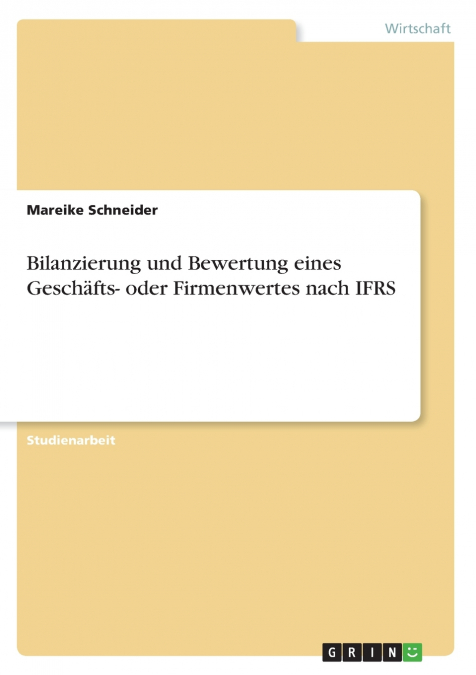
Bilanzierung und Bewertung eines Geschäfts- oder Firmenwertes nach IFRS

Bilanzierung und Bewertung eines Geschäfts- oder Firmenwertes nach IFRS

Mareike Schneider

27,82 €
IVA incluido
Disponible
Editorial:
GRIN Verlag
Año de edición:
2008
Materia
Contabilidad
ISBN:
9783638924788
27,82 €
IVA incluido
Disponible

Selecciona una librería:

  • Librería Samer Atenea
  • Librería Aciertas (Toledo)
  • Kálamo Books
  • Librería Perelló (Valencia)
  • Librería Elías (Asturias)
  • Donde los libros
  • Librería Kolima (Madrid)
  • Librería Proteo (Málaga)

Studienarbeit aus dem Jahr 2006 im Fachbereich BWL - Rechnungswesen, Bilanzierung, Steuern, Note: 1,7, Hochschule Pforzheim, Veranstaltung: Seminar II, Sprache: Deutsch, Abstract: Die Goodwill-Bilanzierung befindet sich einiger Zeit im Wandel. Im Rahmen des Projekts „Business Combinations' hat das International Accounting Standards Board (IASB) die für die Bilanzierung des Goodwill zentralen Vorschriften in der Vergangenheit grundlegend geändert. Mit der Überarbeitung von IAS 36 und 38 und der Veröffentlichung von IFRS 3 am 31.03.2004 wurde die erste Phase des Projekts zur Harmonisierung der internationalen Rechnungslegung abgeschlossen. Als zentrale Änderungen sind die Abschaffung der Interessenzusammenführungsmethode sowie der planmäßigen Abschreibungen zu nennen. Die vorliegende Arbeit befasst sich bezüglich der Bilanzierung des Geschäfts- oder Firmenwertes mit der aktuellen Fassung des IFRS 3. Auf die Abbildung des Goodwill im Rahmen der Quotenkonsolidierung und der Equity-Methode soll dabei nicht eingegangen werden. Gemäß der Vorgehensweise bei einem Unternehmenszusammenschluss werden zunächst die Entstehungsursachen eines Goodwill im Einzel- und Konzernabschluss erörtert. Dem schließt sich die Zugangsbilanzierung eines derivativen Geschäfts- oder Firmenwertes an, in deren Mittelpunkt die Kaufpreisallokation steht. Das vierte Kapitel befasst sich mit der Folgebewertung des Goodwill mit Hilfe des Impairment-Tests, zur Ermittlung eines außerplanmäßigen Wertberichtigungsbedarfs. Bilanzpolitische Gestaltungsmöglichkeiten, die sich bei der Goodwillbilanzierung nach IFRS 3 ergeben, werden im fünften Kapitel näher beleuchtet. Im Rahmen der zweiten Projektphase wurde IFRS 3 überarbeitet und ein Standardentwurf (ED IFRS 3) am 30.06.2005 veröffentlicht. Das letzte Kapitel dieser Seminararbeit ist den voraussichtlichen Änderungen gewidmet, die Mitte dieses Jahres veröffentlicht werden sollen.

Artículos relacionados

  • Business Forensics 101
    Johnathon Vermaelen
    Business Forensics combines the aspects of Forensic Accounting, Business Administration, Industrial Engineering, and Organizational Psychology into one discipline. Learn how ot solve problems inside and outside ones’ organization order to keep employees productive and customers happy. This book will help you be a corporate crime fighter to identify red flags and suspicious acti...
    Disponible

    35,73 €

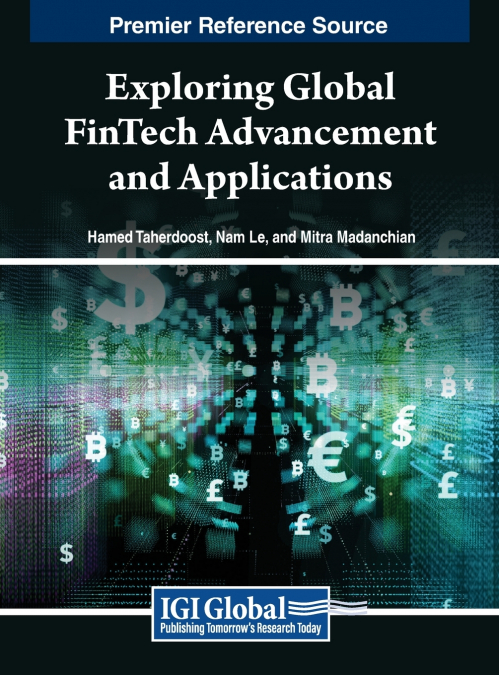
  • Exploring Global FinTech Advancement and Applications
    In the world of FinTech, scholars face an overwhelming dilemma; it is challenging to access comprehensive and up-to-date information across various regions with regards to timeliness. The transformative power of FinTech, driven by innovations such as blockchain, AI analytics, and mobile payment systems, has reshaped financial transactions, influenced economic growth, and spurre...
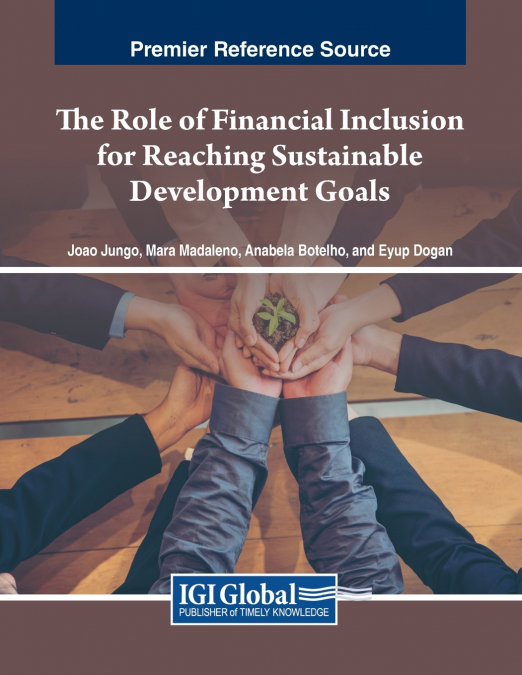
  • The Role of Financial Inclusion for Reaching Sustainable Development Goals
    In today’s world, financial inclusion has emerged as a critical tool for fostering inclusive economic growth and achieving sustainable development goals. The Role of Financial Inclusion for Reaching Sustainable Development Goals presents a comprehensive exploration of the subject, offering a vital resource for anyone seeking to grasp the intricacies of this dynamic and evolving...
  • The Role of Financial Inclusion for Reaching Sustainable Development Goals
    In today’s world, financial inclusion has emerged as a critical tool for fostering inclusive economic growth and achieving sustainable development goals. The Role of Financial Inclusion for Reaching Sustainable Development Goals presents a comprehensive exploration of the subject, offering a vital resource for anyone seeking to grasp the intricacies of this dynamic and evolving...
    Disponible

    274,99 €

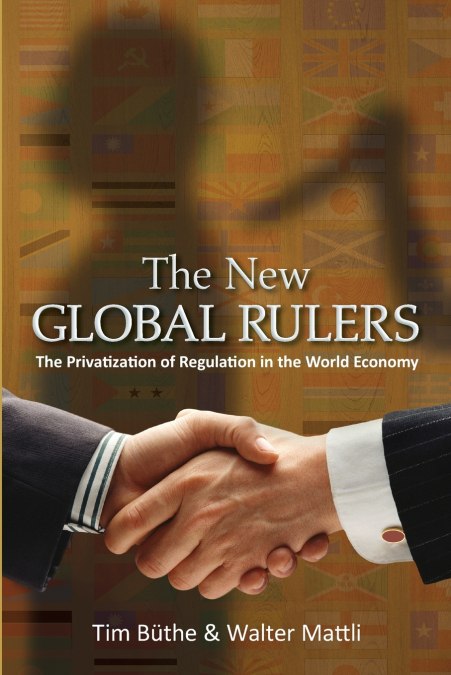
  • The New Global Rulers
    Tim Büthe / Walter Mattli
    Global private regulations-who wins, who loses, and whyOver the past two decades, governments have delegated extensive regulatory authority to international private-sector organizations. This internationalization and privatization of rule making has been motivated not only by the economic benefits of common rules for global markets, but also by the realization that government r...
    Disponible

    40,19 €

  • Costos empresariales
    Omar Eduardo Castelblanco
    En el contexto financiero de las PYMES existen serias dificultades para identificar, agrupar, calcular y asignar los costos a los productos y servicios; esto impide adoptar decisiones para: a) estructurar un sistema de costeo que permita obtener el precio unitario en el portafolio, y b) ejecutar planes de mejora continua para el control y seguimiento, convirtiendo los egresos e...
    Disponible

    29,07 €