
Inicio > Lenguas > Lingüistica > Beyond Principles and Parameters
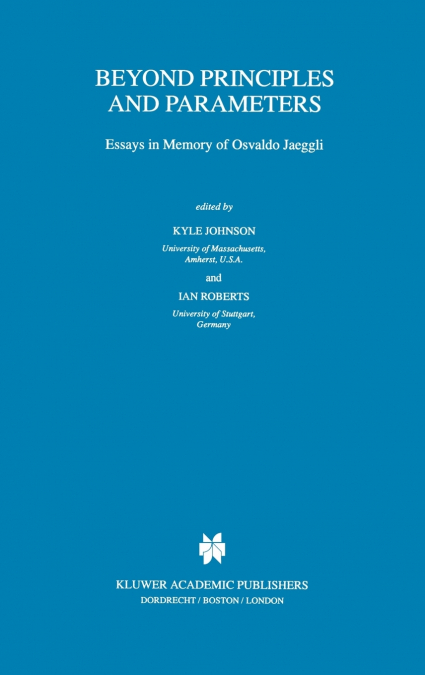
Beyond Principles and Parameters

Beyond Principles and Parameters


132,68 €
IVA incluido
Consulta disponibilidad
Editorial:
Springer Nature B.V.
Año de edición:
1998
Materia
Lingüistica
ISBN:
9780792354987

Selecciona una librería:

  • Librería Samer Atenea
  • Librería Aciertas (Toledo)
  • Kálamo Books
  • Librería Perelló (Valencia)
  • Librería Elías (Asturias)
  • Donde los libros
  • Librería Kolima (Madrid)
  • Librería Proteo (Málaga)

Kyle Johnson University of Massachusetts at Amherst Ian Roberts University of Stuttgart An important chapter in the history of syntactic theory opened as the 70’s reached their close. The revolution that Chomsky had brought to linguistics had to this point engendered theories which remained within the grip of the philologists’ construction-based vision. Their image of language as a catalogue of independent constructions served as the backdrop against which much of transformational grammar’s detailed exploration evolved. In a sense, the highly successful pursuit of th phonology and morphology in the 19 century as compared to the absence of similar results in syntax (beyond observations such as Wackemagel’s Law, etc. ) attests to this: just noting that, for example, French relative clauses allow subject-postposing but not preposition-stranding while English relatives do not allow the former but do allow the latter does not take us far beyond a simple record of the facts. Prior to this point, th syntactic theory had not progressed beyond the 19 century situation. But as the 80’s approached, this image began to give way to a different one: grammar as a puzzle of interlocking 'modules,' each made up of syntactic principles which cross-cut the philologist’s constructions. More and more, 'constructions' decomposed into the epiphenomenal interplay of encapsulated mini-theories: X Theory, Binding Theory, Bounding Theory, Case Theory, Theta Theory, and so on. Syntactic analyses became reoriented toward the twin goals of identifying the content of these modules and deconstructing into them the descriptive results of early transformational grammar.
Artículos relacionados

  • User-Centered Computer Aided Language Learning
    Giorgos Zacharia / Panayiotis Zaphiris
    ...
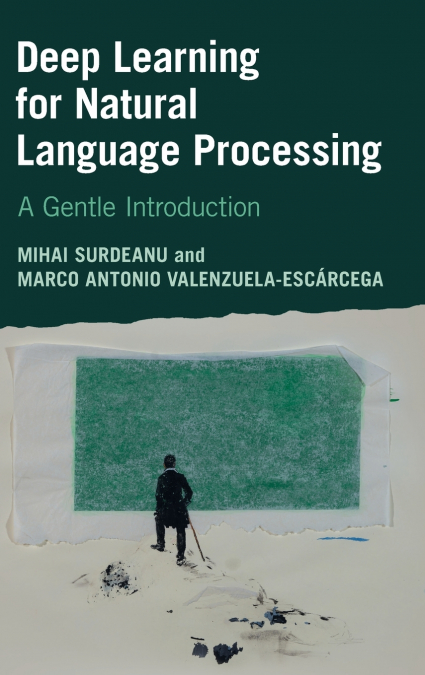
  • Deep Learning for Natural Language Processing
    Marco Antonio Valenzuela-Escárcega / Mihai Surdeanu
    ...
    Disponible

    47,60 €

  • Deep Learning for Natural Language Processing
    Marco Antonio Valenzuela-Escárcega / Mihai Surdeanu
    ...
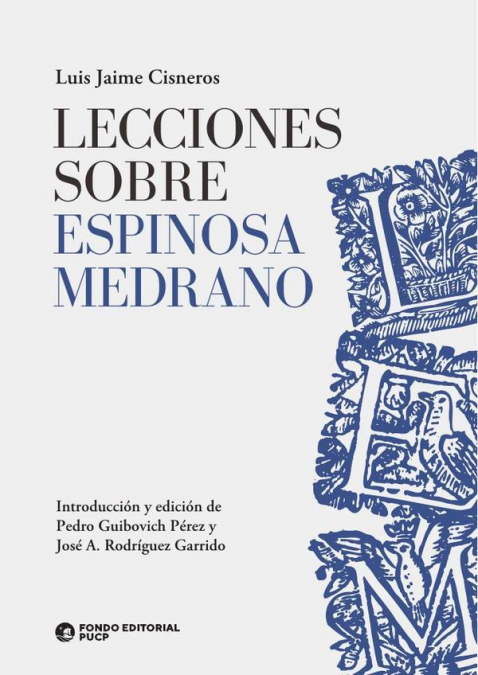
  • Lecciones sobre espinosa medrano
    Luis Jaime Cisneros Vizquerra
    La obra de Juan de Espinosa Medrano, apodado en su tiempo «El Lunarejo» (c. 1629-1688), fue uno de los mayores focos de interés académico de Luis Jaime Cisneros (1921-2011). En 1980 aparecieron sus primeros trabajos dedicados a estudiar los textos capitales de Espinosa Medrano (el Apologético en favor de don Luis de Góngora, la Panegírica declamación por la protección de las ci...
    Disponible

    17,63 €

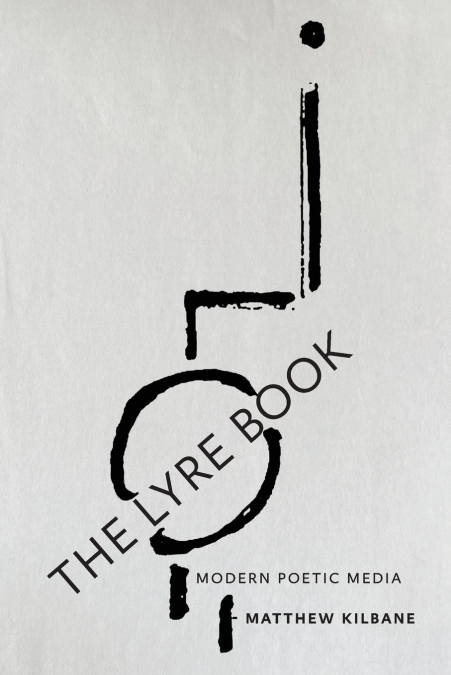
  • Lyre Book
    Matthew Kilbane
    Redefines modern lyric poetry at the intersection of literary and media studies.In The Lyre Book, Matthew Kilbane urges literary scholars to consider lyric not as a genre or a reading practice but as a media condition: the generative tension between writing and sound. In addition to clarifying issues central to the study of modern poetry--including its proximity to popular song...
    Disponible

    50,84 €

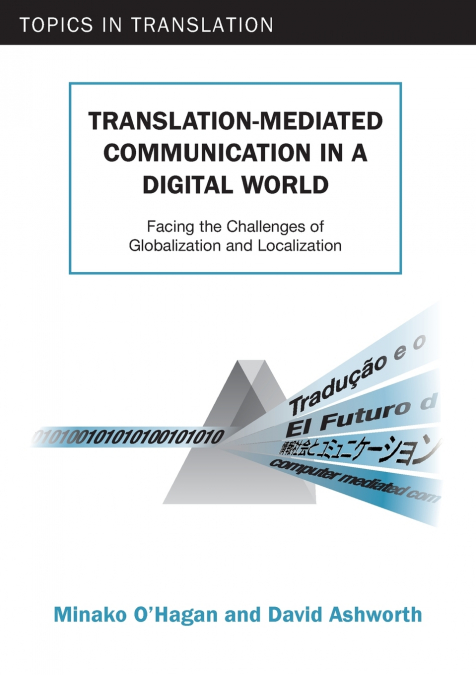
  • Translation-mediated Communication in a Digital World
    David Ashworth / Minako O’Hagan
    The Internet is accelerating globalization by exposing organizations and individuals to global audiences. This in turn is driving teletranslation and teleinterpretation, new types of multilingual support, which are functional in digital communications environments. The book describes teletranslation and teleinterpretation by exploring a number of key emerging contexts for langu...
    Disponible

    45,19 €