 Librería Samer Atenea
 Kálamo Books
 Librería Elías (Asturias)
 Librería Kolima (Madrid)
 Librería Proteo (Málaga)
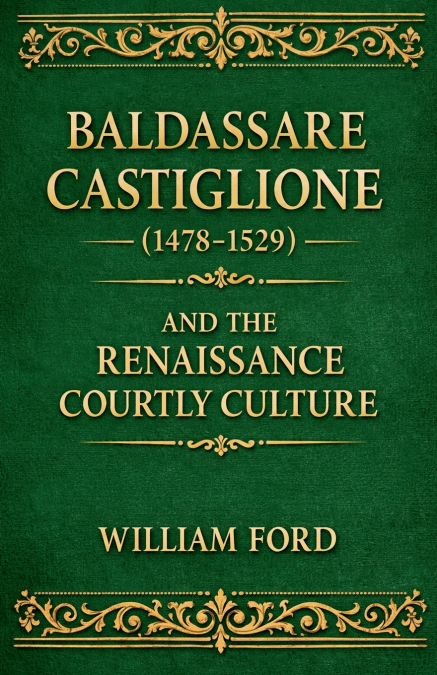
This book offers a sweeping exploration of one of the most influential cultural ideals in Western history: the Renaissance courtier. At the center of this study stands Baldassare Castiglione’s masterpiece, The Book of the Courtier (1528), a work that shaped the standards of aristocratic conduct, education, diplomacy, and social refinement across Europe for centuries. More than a manual of etiquette, Castiglione’s dialogue presents a profound reflection on power, virtue, and the art of living within the complex political world of Renaissance courts.This book reconstructs the historical and intellectual environment that gave rise to Castiglione’s vision. Beginning with the vibrant courts of Renaissance Italy-Milan, Florence, Ferrara, Mantua, and especially Urbino-it shows how these courts became laboratories of artistic creativity, humanist scholarship, and political innovation. Within this setting, Castiglione articulated an ideal figure who united martial courage, intellectual sophistication, moral integrity, and effortless elegance. The Renaissance courtier, trained in classical literature and skilled in conversation, diplomacy, and cultural performance, embodied the highest aspirations of aristocratic society.Drawing upon a wide range of primary sources and modern scholarship, the book examines the philosophical foundations of Castiglione’s thought, including the influence of classical ethics, Renaissance humanism, and Neoplatonic philosophy. It explores the famous concept of sprezzatura-the cultivated appearance of effortless mastery-and analyzes how conversation, wit, and artistic appreciation functioned as essential elements of elite identity. At the same time, it addresses the moral dilemmas inherent in courtly life, including the tension between sincerity and flattery, loyalty and political ambition.The study also situates Castiglione within the broader landscape of Renaissance political thought, comparing his ideas with those of figures such as Machiavelli, Guicciardini, and Erasmus. While Machiavelli emphasized the harsh realities of power, Castiglione proposed a more humanistic vision in which virtue and cultural refinement could guide political authority. This contrast reveals the diversity of intellectual responses to the challenges of Renaissance statecraft.Moving beyond Italy, the book traces the remarkable diffusion of The Book of the Courtier throughout Europe. Translations into Spanish, French, and English introduced Castiglione’s ideals to new audiences, influencing aristocratic culture from the courts of Spain to the salons of Paris and the Tudor court of England. The Renaissance courtier gradually evolved into the broader cultural archetype of the gentleman, shaping expectations of leadership, diplomacy, and social conduct for generations.Later chapters explore how courtly ideals were criticized, transformed, and reinterpreted in early modern and Enlightenment thought. Writers such as La Rochefoucauld, Rousseau, and Montesquieu questioned the sincerity of aristocratic manners while simultaneously acknowledging the powerful cultural legacy of Renaissance courtly culture. Through these debates, the figure of the courtier became a lens through which European thinkers examined the relationship between appearance and virtue, power and morality.Ultimately, this book argues that Castiglione’s work represents one of the most sophisticated reflections on elite identity in Western intellectual history. By articulating a vision of leadership grounded in education, elegance, and ethical responsibility, The Book of the Courtier helped shape the cultural ideals of the early modern world and continues to inform modern discussions of diplomacy, leadership, and social performance.