
Inicio > Lenguas > Lingüistica > Automatic Text Simplification
Automatic Text Simplification

Automatic Text Simplification

Horacio Saggion

80,22 €
IVA incluido
Disponible
Editorial:
Springer Nature B.V.
Año de edición:
2017
Materia
Lingüistica
ISBN:
9783031010385
80,22 €
IVA incluido
Disponible

Selecciona una librería:

  • Librería Samer Atenea
  • Librería Aciertas (Toledo)
  • Kálamo Books
  • Librería Perelló (Valencia)
  • Librería Elías (Asturias)
  • Donde los libros
  • Librería Kolima (Madrid)
  • Librería Proteo (Málaga)

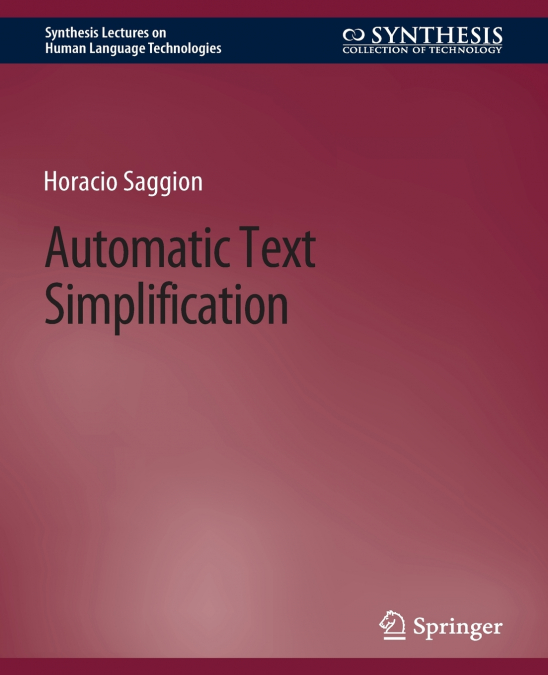
Thanks to the availability of texts on the Web in recent years, increased knowledge and information have been made available to broader audiences. However, the way in which a text is written-its vocabulary, its syntax-can be difficult to read and understand for many people, especially those with poor literacy, cognitive or linguistic impairment, or those with limited knowledge of the language of the text. Texts containing uncommon words or long and complicated sentences can be difficult to read and understand by people as well as difficult to analyze by machines. Automatic text simplification is the process of transforming a text into another text which, ideally conveying the same message, will be easier to read and understand by a broader audience. The process usually involves the replacement of difficult or unknown phrases with simpler equivalents and the transformation of long and syntactically complex sentences into shorter and less complex ones. Automatic text simplification, a research topic which started 20 years ago, now has taken on a central role in natural language processing research not only because of the interesting challenges it posesses but also because of its social implications. This book presents past and current research in text simplification, exploring key issues including automatic readability assessment, lexical simplification, and syntactic simplification. It also provides a detailed account of machine learning techniques currently used in simplification, describes full systems designed for specific languages and target audiences, and offers available resources for research and development together with text simplification evaluation techniques.
Artículos relacionados

  • User-Centered Computer Aided Language Learning
    Giorgos Zacharia / Panayiotis Zaphiris
    ...
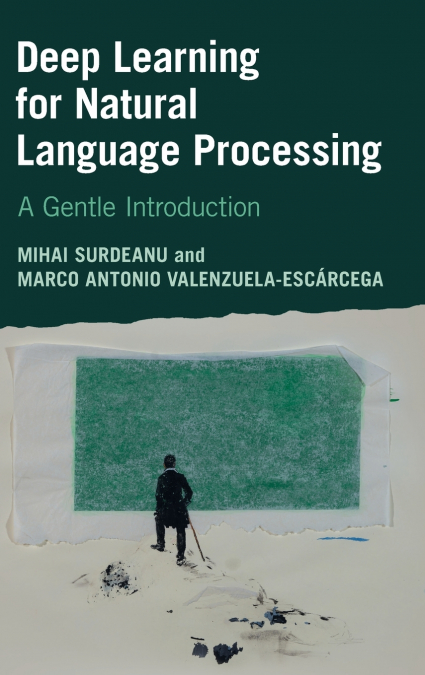
  • Deep Learning for Natural Language Processing
    Marco Antonio Valenzuela-Escárcega / Mihai Surdeanu
    ...
    Disponible

    47,60 €

  • Deep Learning for Natural Language Processing
    Marco Antonio Valenzuela-Escárcega / Mihai Surdeanu
    ...
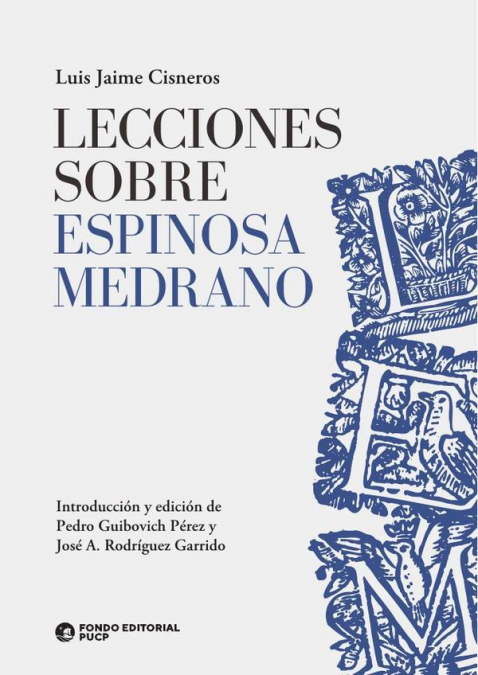
  • Lecciones sobre espinosa medrano
    Luis Jaime Cisneros Vizquerra
    La obra de Juan de Espinosa Medrano, apodado en su tiempo «El Lunarejo» (c. 1629-1688), fue uno de los mayores focos de interés académico de Luis Jaime Cisneros (1921-2011). En 1980 aparecieron sus primeros trabajos dedicados a estudiar los textos capitales de Espinosa Medrano (el Apologético en favor de don Luis de Góngora, la Panegírica declamación por la protección de las ci...
    Disponible

    17,63 €

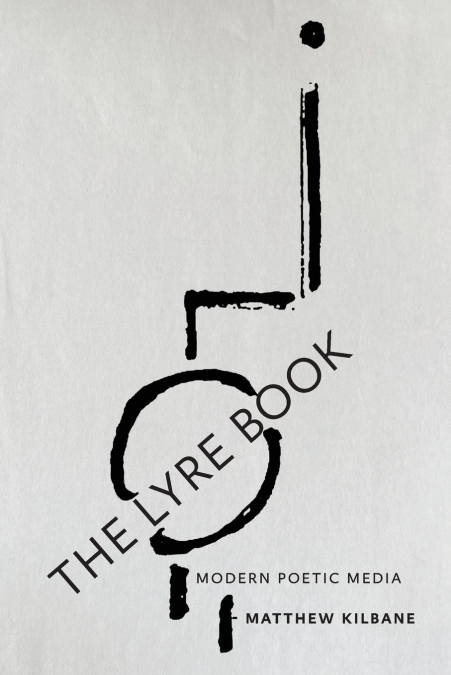
  • Lyre Book
    Matthew Kilbane
    Redefines modern lyric poetry at the intersection of literary and media studies.In The Lyre Book, Matthew Kilbane urges literary scholars to consider lyric not as a genre or a reading practice but as a media condition: the generative tension between writing and sound. In addition to clarifying issues central to the study of modern poetry--including its proximity to popular song...
    Disponible

    50,84 €

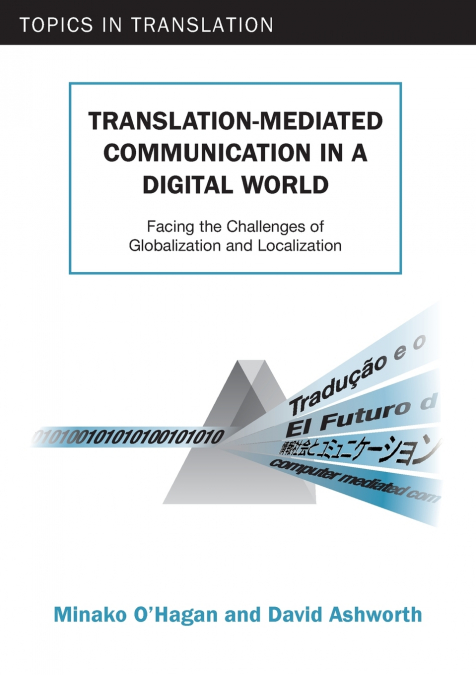
  • Translation-mediated Communication in a Digital World
    David Ashworth / Minako O’Hagan
    The Internet is accelerating globalization by exposing organizations and individuals to global audiences. This in turn is driving teletranslation and teleinterpretation, new types of multilingual support, which are functional in digital communications environments. The book describes teletranslation and teleinterpretation by exploring a number of key emerging contexts for langu...
    Disponible

    45,19 €