Inicio > Lenguas > Lingüistica > Automatic Syntactic Analysis Based on Selectional Preferences
Automatic Syntactic Analysis Based on Selectional Preferences

Automatic Syntactic Analysis Based on Selectional Preferences

Alexander Gelbukh / Hiram Calvo

135,88 €
IVA incluido
Disponible
Editorial:
Springer Nature B.V.
Año de edición:
2019
Materia
Lingüistica
ISBN:
9783030089085
135,88 €
IVA incluido
Disponible

Selecciona una librería:

  • Librería Samer Atenea
  • Librería Aciertas (Toledo)
  • Kálamo Books
  • Librería Perelló (Valencia)
  • Librería Elías (Asturias)
  • Donde los libros
  • Librería Kolima (Madrid)
  • Librería Proteo (Málaga)

This book describes effective methods for automatically analyzing a sentence, based on the syntactic and semantic characteristics of the elements that form it. To tackle ambiguities, the authors use selectional preferences (SP), which measure how well two words fit together semantically in a sentence. Today, many disciplines require automatic text analysis based on the syntactic and semantic characteristics of language and as such several techniques for parsing sentences have been proposed. Which is better? In this book the authors begin with simple heuristics before moving on to more complex methods that identify nouns and verbs and then aggregate modifiers, and lastly discuss methods that can handle complex subordinate and relative clauses. During this process, several ambiguities arise. SP are commonly determined on the basis of the association between a pair of words. However, in many cases, SP depend on more words. For example, something (such as grass) may be edible, depending on who is eating it (a cow?). Moreover, things such as popcorn are usually eaten at the movies, and not in a restaurant. The authors deal with these phenomena from different points of view.

Artículos relacionados

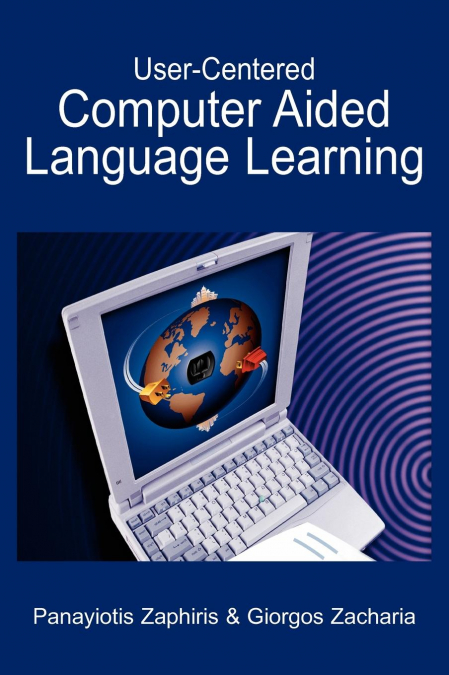
  • User-Centered Computer Aided Language Learning
    Giorgos Zacharia / Panayiotis Zaphiris
    ...
  • Deep Learning for Natural Language Processing
    Marco Antonio Valenzuela-Escárcega / Mihai Surdeanu
    ...
    Disponible

    47,60 €

  • Deep Learning for Natural Language Processing
    Marco Antonio Valenzuela-Escárcega / Mihai Surdeanu
    ...
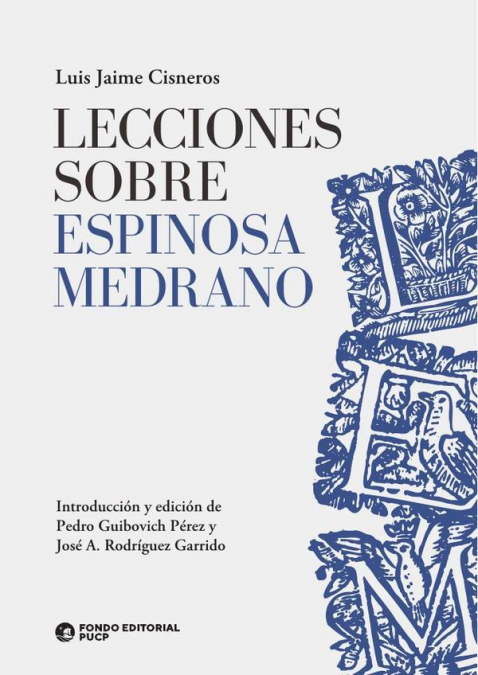
  • Lecciones sobre espinosa medrano
    Luis Jaime Cisneros Vizquerra
    La obra de Juan de Espinosa Medrano, apodado en su tiempo «El Lunarejo» (c. 1629-1688), fue uno de los mayores focos de interés académico de Luis Jaime Cisneros (1921-2011). En 1980 aparecieron sus primeros trabajos dedicados a estudiar los textos capitales de Espinosa Medrano (el Apologético en favor de don Luis de Góngora, la Panegírica declamación por la protección de las ci...
    Disponible

    17,63 €

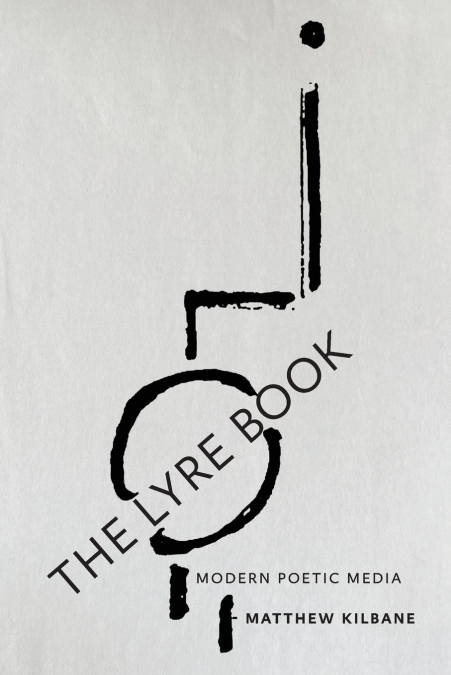
  • Lyre Book
    Matthew Kilbane
    Redefines modern lyric poetry at the intersection of literary and media studies.In The Lyre Book, Matthew Kilbane urges literary scholars to consider lyric not as a genre or a reading practice but as a media condition: the generative tension between writing and sound. In addition to clarifying issues central to the study of modern poetry--including its proximity to popular song...
    Disponible

    50,84 €

  • Translation-mediated Communication in a Digital World
    David Ashworth / Minako O’Hagan
    The Internet is accelerating globalization by exposing organizations and individuals to global audiences. This in turn is driving teletranslation and teleinterpretation, new types of multilingual support, which are functional in digital communications environments. The book describes teletranslation and teleinterpretation by exploring a number of key emerging contexts for langu...
    Disponible

    45,19 €

Otros libros del autor

  • Automatic Syntactic Analysis Based on Selectional Preferences
    Alexander Gelbukh / Hiram Calvo
    This book describes effective methods for automatically analyzing a sentence, based on the syntactic and semantic characteristics of the elements that form it. To tackle ambiguities, the authors use selectional preferences (SP), which measure how well two words fit together semantically in a sentence. Today, many disciplines require automatic text analysis based on the syntacti...