
Inicio > Literatura y estudios literarios > Literatura: historia y crítica > Teoría literaria > Authorial Personality and the Making of Renaissance Texts
Authorial Personality and the Making of Renaissance Texts

Authorial Personality and the Making of Renaissance Texts

Douglas S Pfeiffer

172,78 €
IVA incluido
Consulta disponibilidad
Editorial:
Oxford University Press
Año de edición:
2022
Materia
Teoría literaria
ISBN:
9780198714163

Selecciona una librería:

  • Librería Samer Atenea
  • Librería Aciertas (Toledo)
  • Kálamo Books
  • Librería Perelló (Valencia)
  • Librería Elías (Asturias)
  • Donde los libros
  • Librería Kolima (Madrid)
  • Librería Proteo (Málaga)

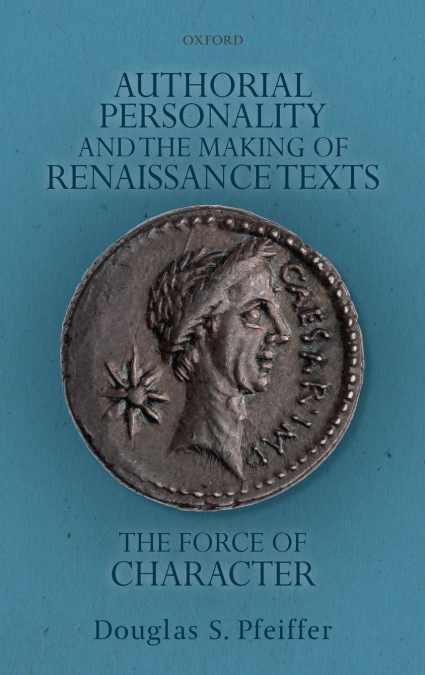
How did we first come to believe in a correspondence between writers’ lives and their works? When did the person of the author--both as context and target of textual interpretation--come to matter so much to the way we read? This book traces the development of author centrism back to the scholarship of early Renaissance humanists. Working against allegoresis and other traditions of non-historicizing textual reception, they discovered the power of engaging ancient works through the speculative reconstruction of writers’ personalities and artistic motives. To trace the multi-lingual and eventually cross-cultural rise of reading for the author, this book presents four case studies of resolutely experimental texts by and about writers of high ambition in their respective generations: Lorenzo Valla on the forger of the Donation of Constantine, Erasmus on Saint Jerome, the poet George Gascoigne on himself, and Fulke Greville on Sir Philip Sidney. An opening methodological chapter and exhortative conclusion frame these four studies with accounts of the central lexicon--character, intention, ethos, persona--and the range of genre evidence that contemporaries used to discern and articulate authorial character and purpose. Constellated throughout with examples from the works of major contemporaries including John Aubrey, John Hayward, Galileo, Machiavelli, and Shakespeare, this volume resurrects a vibrant culture of biographism continuous with modern popular practice and yet radically more nuanced in its strategic reliance on the explanatory power of probabilism and historical conjecture--the discursive middle ground now obscured from view by the post-Enlightenment binaries of truth and fiction, history and story, fact and fable.
Artículos relacionados

  • Critical theory and dystopia
    Patricia McManus
    Critical theory and dystopia offers a uniquely rich study of dystopian fiction, drawing on the insights of critical theory. Asking what ideological work these dark imaginings perform, the book reconstructs the historical emergence, consolidation and transformation of the genre across the twentieth century and into our own, ranging from Yevgeny Zamyatin’s We (1924) and Aldous Hu...
    Disponible

    35,86 €

  • Pen of Iron
    Robert Alter
    How the King James Bible has influenced the style of the American novel from Melville to Cormac McCarthyThe simple yet grand language of the King James Bible has pervaded American culture from the beginning-and its powerful eloquence continues to be felt even today. In this book, acclaimed biblical translator and literary critic Robert Alter traces some of the fascinating ways ...
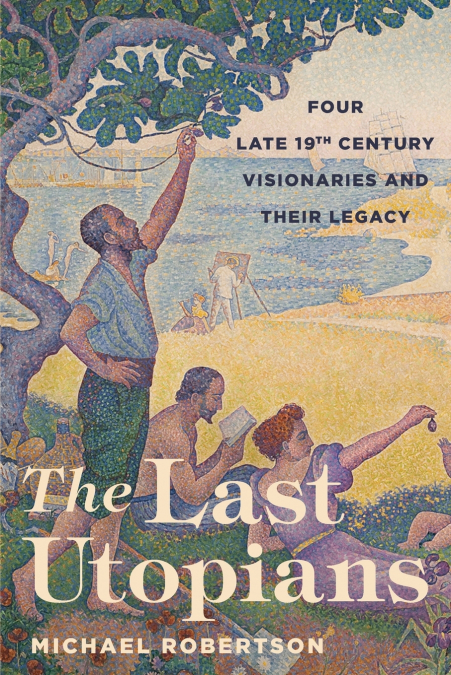
  • The Last Utopians
    Michael Robertson
    The entertaining story of four utopian writers-Edward Bellamy, William Morris, Edward Carpenter, and Charlotte Perkins Gilman-and their continuing influence todayIn this lively literary history, Michael Robertson introduces readers to a vital strain of utopianism that seized the imaginations of four American and British writers during an extraordinary period of literary and soc...
    Disponible

    30,46 €

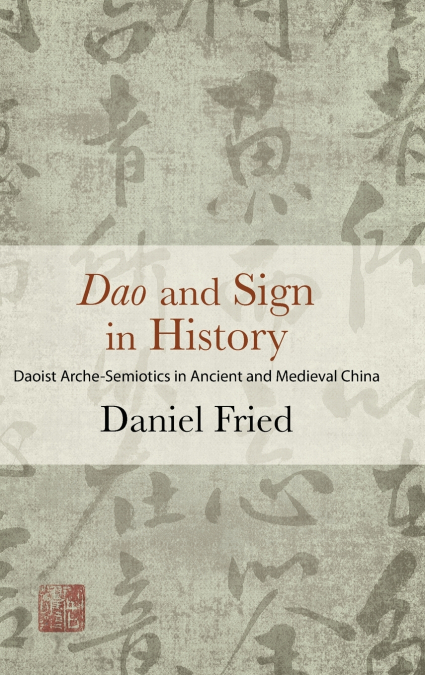
  • Dao and Sign in History
    Daniel Fried
    Provides a new perspective on important linguistic issues in philosophical and religious Daoism through the comparative lens of twentieth-century European philosophies of language.From its earliest origins in the Dao De Jing, Daoism has been known as a movement that is skeptical of the ability of language to fully express the truth. While many scholars have compared the earlies...
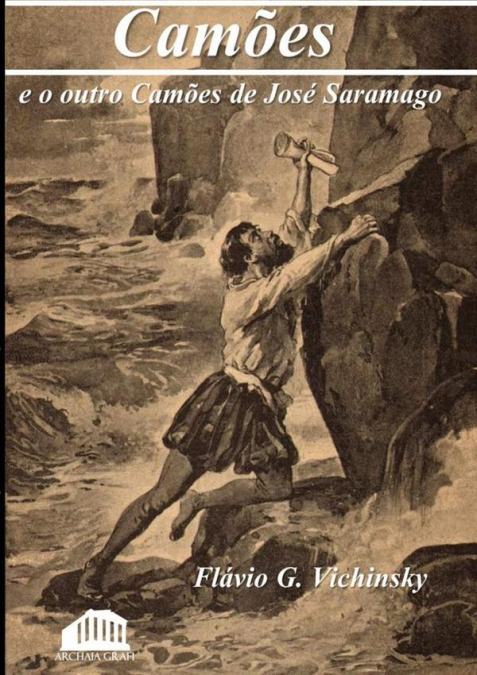
  • Camões E O Outro Camões De José Saramago
    Flávio G Vichinsky
    A consolidação da figura de Camões como elemento dos mais relevantes na cultura portuguesa é consenso entre os historiadores, literatos e demais estudiosos do processo de formação histórica e social desse país. A obra do poeta e a sua biografia, bem como a mitologia que as envolvem, transformaram-no em um dos maiores e mais conhecidos símbolos de Portugal, o que o coloca muitas...
    Disponible

    11,39 €

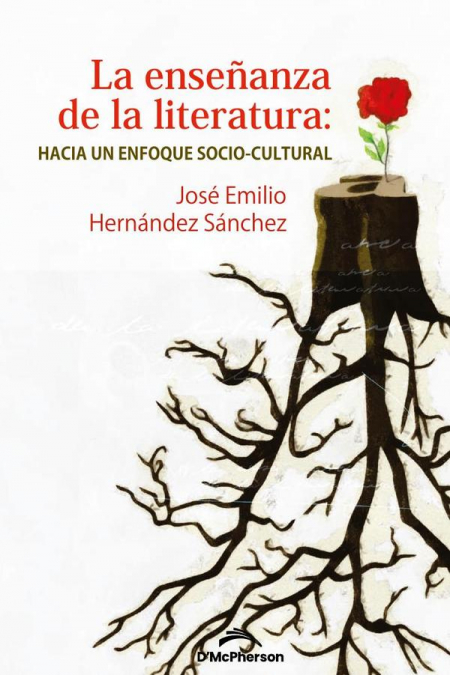
  • La enseñanza de la literatura
    José Emilio Hernández Sánchez
    El libro se centra en la enseñanza de la literatura. Consta de varios capítulos: El primero se dedica a ubicar el texto literario dentro del marco de la cultura. Se ofrecen diversas indicaciones didácticas para el estudio del texto literario desde el enfoque histórico-cultural de Lov Vigostky o constructivismo social. Igualmente se incluye un capítulo dedicado al sistema concep...