Inicio > Ciencias de la tierra, geografía, medioambiente, planificación > Ciencias de la tierra/geociencias > Geología y la litosfera > Auswirkungen der Wasserqualität auf die Entwicklung der Lebensgrundlage der Gemeinschaft
Auswirkungen der Wasserqualität auf die Entwicklung der Lebensgrundlage der Gemeinschaft

Auswirkungen der Wasserqualität auf die Entwicklung der Lebensgrundlage der Gemeinschaft

Ranjana U. K. Piyadasa

44,00 €
IVA incluido
Disponible
Editorial:
KS OmniScriptum Publishing
Año de edición:
2024
Materia
Geología y la litosfera
ISBN:
9786208216610
44,00 €
IVA incluido
Disponible

Selecciona una librería:

  • Librería Samer Atenea
  • Librería Aciertas (Toledo)
  • Kálamo Books
  • Librería Perelló (Valencia)
  • Librería Elías (Asturias)
  • Donde los libros
  • Librería Kolima (Madrid)
  • Librería Proteo (Málaga)

Flüsse bilden oft die Hauptverbindung zwischen interagierenden Ökosystemen. Es gibt zwei Aspekte der Wasserverschmutzung. Der menschliche Einfluss wirkt sich auf aquatische Systeme wie Flüsse, Feuchtgebiete, Stauseen und Grundwasser aus. Die indirekten Auswirkungen werden durch die Landnutzung in den Einzugsgebieten verursacht, wie z. B. Entwaldung, Plantagen und menschliche Siedlungen. Die intensive landwirtschaftliche und städtische Entwicklung hat zu einer hohen Nachfrage nach Grundwasserressourcen in städtischen Gebieten weltweit geführt und diese Ressourcen auch einem größeren Kontaminationsrisiko ausgesetzt. Das Risiko einer Grundwasserverschmutzung wird von zwei Faktoren beeinflusst: (1) den intrinsischen Eigenschaften der hydrogeologischen Umgebung, vor allem Faktoren, die den Transport und die Stabilität von Schadstoffen beeinflussen, die von der Landoberfläche stammen, und (2) der Schadstoffbelastung, vor allem aus anthropogenen Quellen. In vielen Fällen weisen städtische Gebiete sowohl die intrinsischen Eigenschaften als auch die Schadstoffbelastung auf, die zu einem hohen Risiko einer Grundwasserverschmutzung führen.
Artículos relacionados

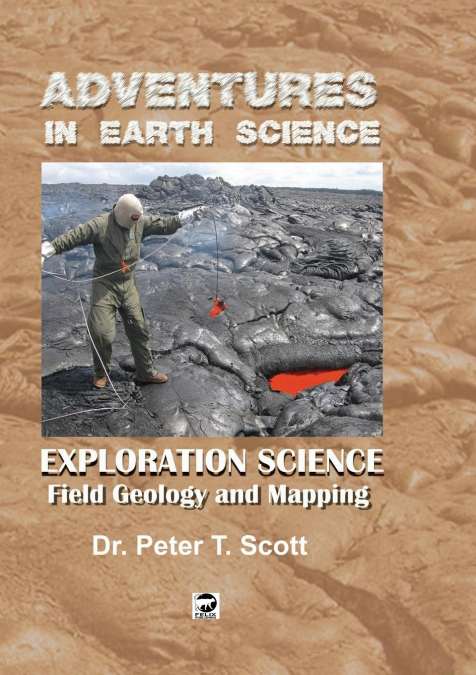
  • Exploration Science
    Dr Peter T Scott
    About Exploration ScienceHave you wondered what the science of geology is all about?Together we will explore of the surface and sub-surface of the Earth, the sub-branches of geology, including mineralogy, petrology (rocks), palaeontology (fossils), geochemistry, seismology (earthquakes), engineering geology, and many more.The scientific method used by all scientists as well as ...
    Disponible

    30,12 €

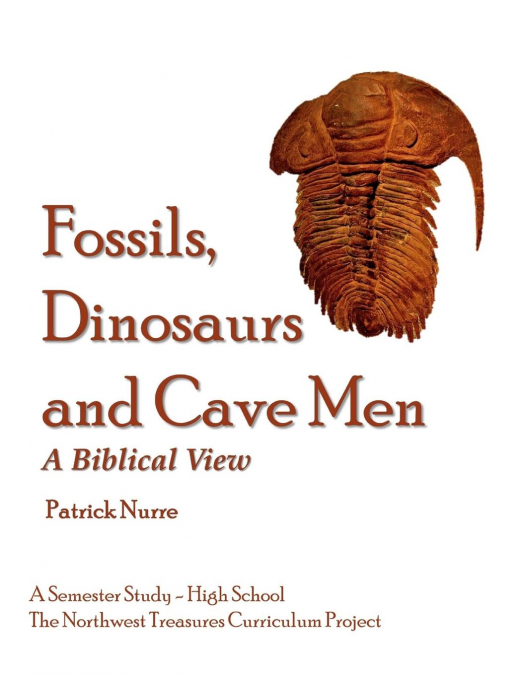
  • Fossils, Dinosaurs and Cave Men
    Patrick Nurre
    This textbook is a high school, semester study of the differences between the Biblcal and secular views of fossils, dinosaurs, and cave men.  Topics include the cause and mechanism for a global flood, the geologic time table, living fossils, the Tower of Babel, modern classification of dinosaurs, and more.  Students will also learn to interpret the geologic column from a Biblic...
    Disponible

    43,86 €

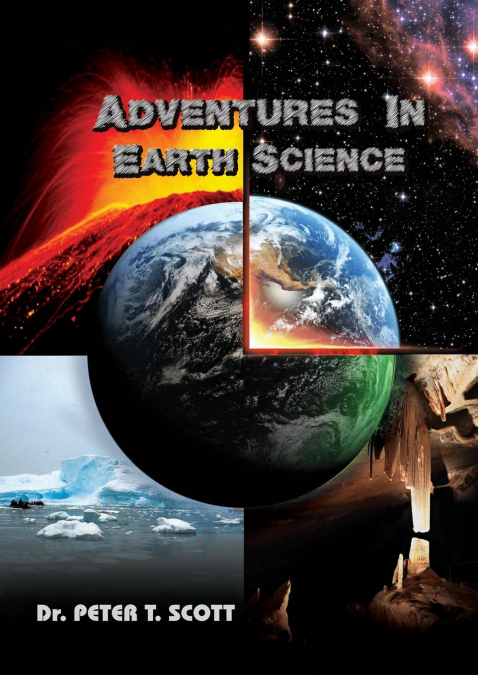
  • Adventures in Earth Science
    Dr Peter T Scott
    ADVENTURES in EARTH SCIENCE is not just an in-depth textbook but a series of adventures across seven continents and beyond in the sciences of astronomy, geology, meteorology and oceanography. It has been written with over forty years of experience in studying, researching and teaching earth science. Whilst it has been designed for senior high school and junior university or col...
    Disponible

    142,25 €

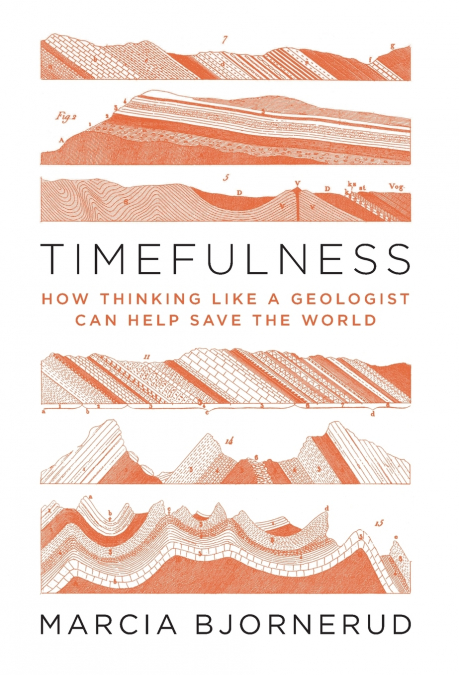
  • Timefulness
    Marcia Bjornerud
    Why an awareness of Earth’s temporal rhythms is critical to our planetary survivalFew of us have any conception of the enormous timescales in our planet’s long history, and this narrow perspective underlies many of the environmental problems we are creating for ourselves. The passage of nine days, which is how long a drop of water typically stays in Earth’s atmosphere, is somet...
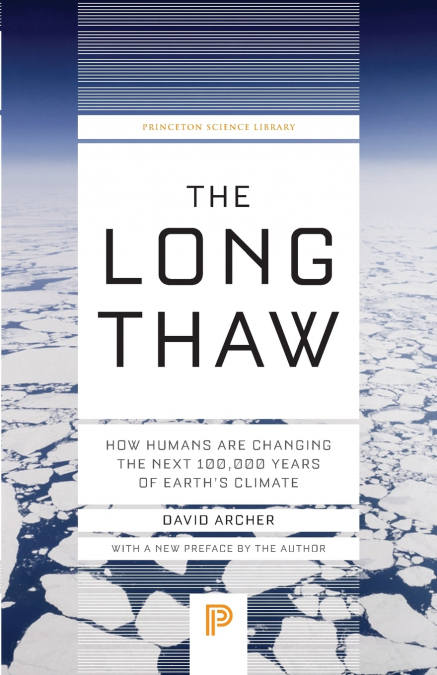
  • The Long Thaw
    David Archer
    Why a warmer climate may be humanity’s longest-lasting legacyThe human impact on Earth’s climate is often treated as a hundred-year issue lasting as far into the future as 2100, the year in which most climate projections cease. In The Long Thaw, David Archer, one of the world’s leading climatologists, reveals the hard truth that these changes in climate will be 'locked in,' ess...
    Disponible

    24,10 €

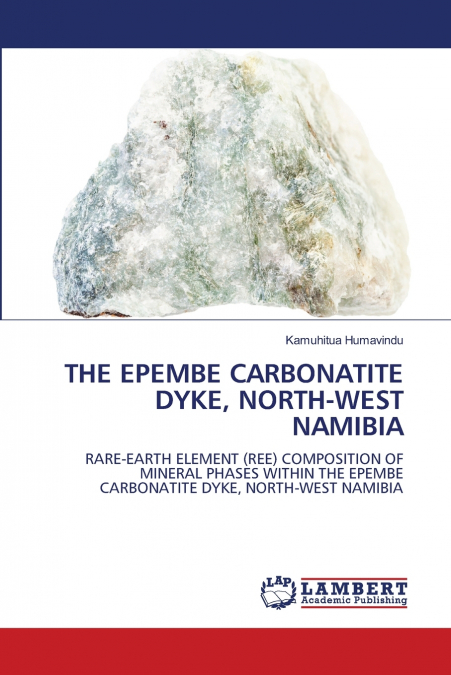
  • THE EPEMBE CARBONATITE DYKE, NORTH-WEST NAMIBIA
    Kamuhitua Humavindu
    This book gives a bright perspective on the nature of carbonatites along with different magmatic and hydrothermal processes that affect the distribution of these dykes. In the past there has been several debates on the enrichment mechanisms of rare-earth elements, making it a significant book especially now with the increase in technology. The research is filled with exciting f...
    Disponible

    75,64 €

Otros libros del autor

  • L’impact de la qualité de l’eau sur le développement des moyens de subsistance de la communauté
    Ranjana U. K. Piyadasa
    Les rivières constituent souvent le principal lien entre des écosystèmes en interaction. La pollution de l’eau présente deux aspects. L’impact humain sur les systèmes aquatiques tels que les rivières, les zones humides, les réservoirs et les eaux souterraines. Les effets indirects sont causés par l’utilisation des terres dans les bassins versants, tels que la déforestation, les...
    Disponible

    43,94 €

  • Impatto della qualità dell’acqua sullo sviluppo dei mezzi di sussistenza della comunità
    Ranjana U. K. Piyadasa
    I fiumi costituiscono spesso il principale collegamento tra ecosistemi interagenti. L’inquinamento dell’acqua presenta due aspetti. L’impatto umano è sui sistemi acquatici come fiumi, zone umide, bacini e acque sotterranee. Gli effetti indiretti sono causati dall’uso del suolo nei bacini idrografici, come la deforestazione, le piantagioni e gli insediamenti umani.L’intenso svil...
    Disponible

    43,94 €

  • Impacto da qualidade da água no desenvolvimento dos meios de subsistência da comunidade
    Ranjana U. K. Piyadasa
    Os rios constituem frequentemente a principal ligação entre ecossistemas em interação. Há dois aspectos da poluição da água. O impacto humano nos sistemas aquáticos, tais como rios, zonas húmidas, reservatórios e águas subterrâneas. Os efeitos indirectos são causados pela utilização dos solos nas zonas de captação, como a desflorestação, as plantações e os aglomerados humanos. ...
    Disponible

    43,94 €