

 Librería Samer Atenea
 Kálamo Books
 Librería Elías (Asturias)
 Librería Kolima (Madrid)
 Librería Proteo (Málaga)
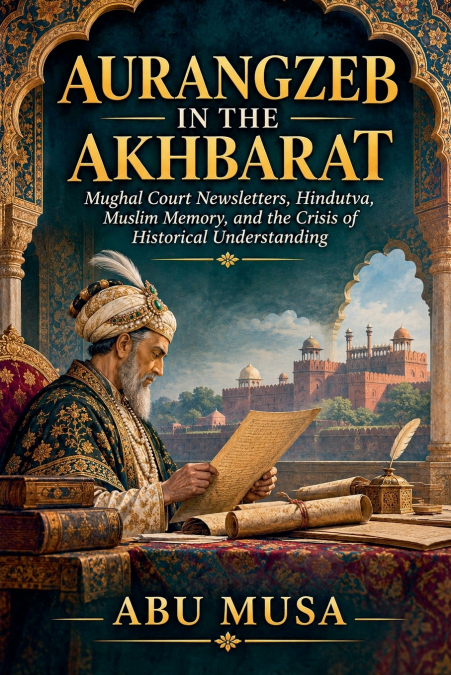
Aurangzeb Alamgir remains one of the most politically contested rulers in South Asian history.Was he a devout Muslim emperor, an imperial strategist, a persecutor, a capable administrator, or a historical figure repeatedly reconstructed by later political movements?Aurangzeb in the Akhbarat examines these questions through Mughal court newsletters, administrative records, modern scholarship, communal memory, and contemporary political narratives. It follows the evidence through the temple question, jizya, conversion, Sikh martyr memory, Maratha resistance, imperial overextension, Mughal decline, Hindutva politics, and Muslim apologetic historiography.Rather than replacing one slogan with another, the book asks what the records support, where the evidence remains contested, and how historical injury becomes political memory. It distinguishes Hinduism from Hindutva, Islam from the actions of a Muslim ruler, and documented wrongdoing from exaggerated accusation.For readers of South Asian history, religion, memory, and politics, this is a case for disciplined historical judgment: evidence before slogans, context before certainty, and justice before partisan memory.





