Inicio > Matemáticas y ciencia > Física > Mecánica clásica > Energía > Assessment of Solid-State Lighting, Phase Two
Assessment of Solid-State Lighting, Phase Two

Assessment of Solid-State Lighting, Phase Two

AA.VV

58,19 €
IVA incluido
Disponible
Editorial:
National Academies Press
Año de edición:
2017
Materia
Energía
ISBN:
9780309452571
58,19 €
IVA incluido
Disponible

Selecciona una librería:

  • Librería Samer Atenea
  • Librería Aciertas (Toledo)
  • Kálamo Books
  • Librería Perelló (Valencia)
  • Librería Elías (Asturias)
  • Donde los libros
  • Librería Kolima (Madrid)
  • Librería Proteo (Málaga)

The standard incandescent light bulb, which still works mainly as Thomas Edison invented it, converts more than 90% of the consumed electricity into heat. Given the availability of newer lighting technologies that convert a greater percentage of electricity into useful light, there is potential to decrease the amount of energy used for lighting in both commercial and residential applications. Although technologies such as compact fluorescent lamps (CFLs) have emerged in the past few decades and will help achieve the goal of increased energy efficiency, solid-state lighting (SSL) stands to play a large role in dramatically decreasing U.S. energy consumption for lighting. Since the publication of the 2013 National Research Council report Assessment of Advanced Solid-State Lighting, the penetration of SSL has increased dramatically, with a resulting savings in energy and costs that were foreshadowed by that study. What was not anticipated then is the dramatic dislocation and restructuring of the SSL marketplace, as cost reductions for light-emitting diode (LED) components reduced profitability for LED manufacturers. At the same time, there has been the emergence of new applications for SSL, which have the potential to create new markets and commercial opportunities for the SSL industry. Assessment of Solid-State Lighting, Phase Two discusses these aspects of change—highlighting the progress of commercialization and acceptance of SSL and reviewing the technical advances and challenges in achieving higher efficacy for LEDs and organic light-emitting diodes. This report will also discuss the recent trends in SSL manufacturing and opportunities for new applications and describe the role played by the Department of Energy (DOE) Lighting Program in the development of SSL.
Artículos relacionados

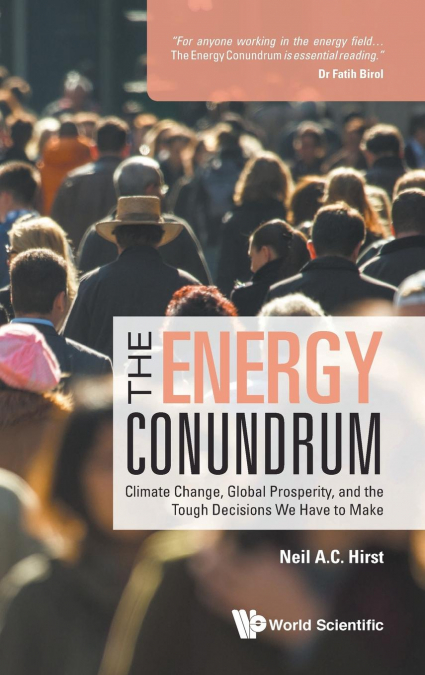
  • ENERGY CONUNDRUM, THE
    HIRST NEIL / NEIL A C HIRST / NEIL HIRST
    This book provides a comprehensive and balanced account of global energy policy; covering moral, political, social, technical and economic aspects of the subject. While The Energy Conundrum does not offer easy solutions, it provides the facts and evidence gathered from sources in government, industry, academia, and NGOs alike, for readers to understand the issues and make their...
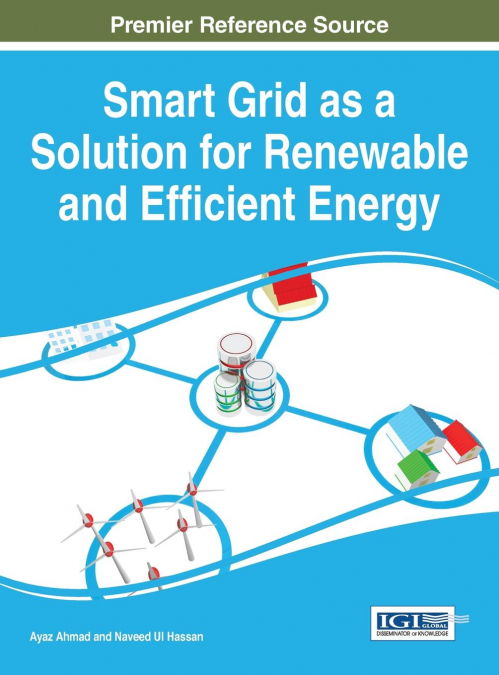
  • Smart Grid as a Solution for Renewable and Efficient Energy
    As the need for proficient power resources continues to grow, it is becoming increasingly important to implement new strategies and technologies in energy distribution to meet consumption needs. The employment of smart grid networks assists in the efficient allocation of energy resources. Smart Grid as a Solution for Renewable and Efficient Energy features emergent research and...
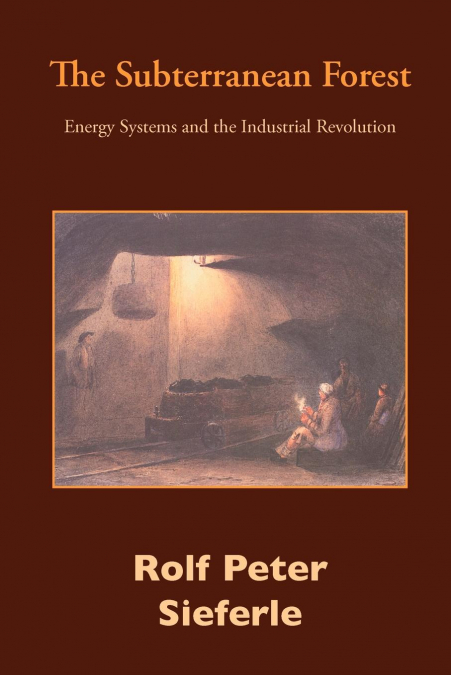
  • The Subterranean Forest
    Rolf Peter Sieferle / Michael Osmann
    The Subterrranean Forest studies the historical transition from the agrarian solar energy regime to the use of fossil energy, which has fuelled the industrial transformation of the last 200 years. The author argues that the analysis of historical energy systems provides an explanation for the basic patterns of different social formations. It is the availability of free energy t...
    Disponible

    50,93 €

  • Nanotechnology Applications for Improvements in Energy Efficiency and Environmental Management
    MAShah / Paulo Davim
    As nanoscale research continues to advance, scientists and engineers are developing new applications for many different disciplines, including environmental remediation and energy optimization. Nanotechnology Applications for Improvements in Energy Efficiency and Environmental Management combines up-to-date research findings and relevant theoretical frameworks on the subject of...
  • Operational Research for Renewable Energy and Sustainable Environments
    The application of contemporary and emerging operational research optimization methods in renewable energy is vital to creating and maintaining sustainable environments across the planet. More research is needed to understand how modern and innovative technological solutions can enhance accessible global energy. Operational Research for Renewable Energy and Sustainable Environm...
  • Emerging Materials, Technologies, and Solutions for Energy Harvesting
    In an era dominated by electronic devices and interconnected technologies, the weak point of this technology remains the limited lifespan and lengthy maintenance of conventional batteries. The pervasive use of wireless sensor networks and Internet of Things (IoT) applications has accentuated the inadequacies of battery technology, which has not kept pace with the miniaturizatio...
    Disponible

    314,33 €