AA.VV
 Librería Samer Atenea
 Kálamo Books
 Librería Elías (Asturias)
 Librería Kolima (Madrid)
 Librería Proteo (Málaga)
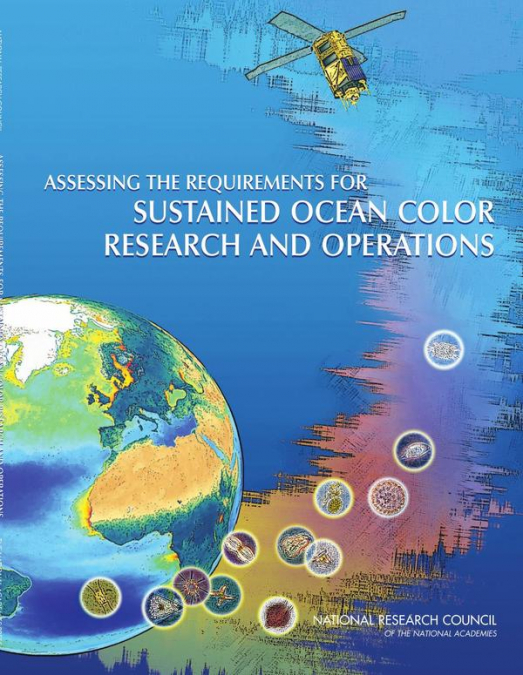
The ocean is a fundamental component of the earth’s biosphere. It covers roughly 70 percent of Earth’s surface and plays a pivotal role in the cycling of life’s building blocks, such as nitrogen, carbon, oxygen, and sulfur. The ocean also contributes to regulating the climate system. Most of the primary producers in the ocean comprise of microscopic plants and some bacteria; and these photosynthetic organisms (phytoplankton) form the base of the ocean’s food web. Monitoring the health of the ocean and its productivity is critical to understanding and managing the ocean’s essential functions and living resources. Because the ocean is so vast and difficult for humans to explore, satellite remote sensing of ocean color is currently the only way to observe and monitor the biological state of the surface ocean globally on time scales of days to decades.Ocean color measurements reveal a wealth of ecologically important characteristics including: chlorophyll concentration, the rate of phytoplankton photosynthesis, sediment transport, dispersion of pollutants, and responses of oceanic biota to long-term climate changes. Continuity of satellite ocean color data and associated climate research products are presently at significant risk for the U.S. ocean color community. Assessing Requirements for Sustained Ocean Color Research and Operations aims to identify the ocean color data needs for a broad range of end users, develop a consensus for the minimum requirements, and outline options to meet these needs on a sustained basis. The report assesses lessons learned in global ocean color remote sensing from the SeaWiFS/MODIS era to guide planning for acquisition of future global ocean color radiance data to support U.S. research and operational needs.