
Art, Architecture, and Temples in Ancient Egypt

Art, Architecture, and Temples in Ancient Egypt

EZRA IVANOV

21,42 €
IVA incluido
Disponible
Editorial:
DTTV PUBLICATIONS
Año de edición:
2022
Materia
Historia antigua: hasta c. 500 e. c.
ISBN:
9798201974633
21,42 €
IVA incluido
Disponible

Selecciona una librería:

  • Librería Samer Atenea
  • Librería Aciertas (Toledo)
  • Kálamo Books
  • Librería Perelló (Valencia)
  • Librería Elías (Asturias)
  • Donde los libros
  • Librería Kolima (Madrid)
  • Librería Proteo (Málaga)

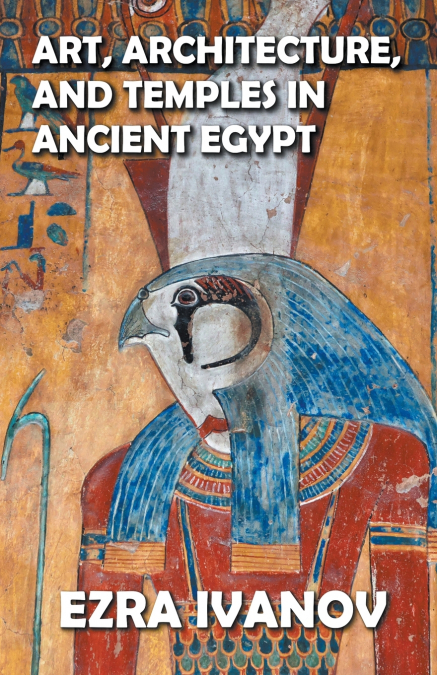
Ancient Egyptian art and architecture are fascinating, beautiful, and complex. I’ve always been fascinated by the pyramids of Egypt and how they were built. They are incredible feats of engineering—but also religious centers where worshipers would go to pray and make offerings to their gods. In addition to temples, there were also tombs for royalty (known as mastabas) and commoners (known as shaft tombs), which were all made with an eye toward eternal life.Ancient Egyptian gods and goddesses were important in Egyptian culture. They were often represented in art or architecture and played an integral role in daily life. Though the god Osiris was known to be king of the dead, he did not hold the same power as other gods such as Ra or Hathor (a cow-headed goddess). The priesthoods of these deities generally ruled over specific cities or professions; for example, priests at a temple dedicated to Amun would preside over all matters related to agriculture.Such temples were built throughout Egypt’s history; one example is Deir el-Bahari (meaning "monastery of the northern valley"), which served as both a royal mortuary temple and monastery for Nefertari during her lifetime. Many structures built during this period reflect traditional architectural practices: thick columns made from stone support large roof beams made from wood; outer walls are covered with painted plaster decorated with scenes depicting daily life—for example, artists working on wall paintings inside temples such as this one often described themselves taking part in those very activities!You may have heard that pyramids were built as tombs for pharaohs, but there’s more to it. The pharaohs were buried in the Valley of the Kings, part of the Great Pyramids complex. The pyramids are made up of stone blocks of limestone, built with ramps rather than cranes or scaffolding so that workers could move them into place. In terms of shape, they’re somewhere between a cube and a cone; this helps keep them stable during construction and makes them look good from afar!Temples were the most important buildings in ancient Egypt. They were places of worship and learning, government, and justice. The temple was the most important place for any Egyptian because it was where people could connect with their gods and get guidance on how to lead a good life.
Artículos relacionados

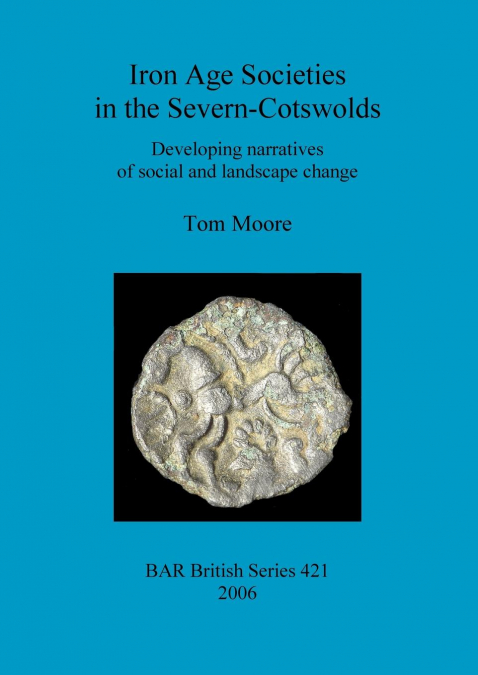
  • Iron Age Societies in the Severn-Cotswolds
    Tom Moore
    The central theme of this study is an examination of the processes of change in Iron Age social organisation and identity on a regional scale using the Severn-Cotswolds area in England as a case study. It aims to provide a coherent narrative of the period in the region based on the wealth of current data now available, providing a basic storyboard against which future studies c...
    Disponible

    144,57 €

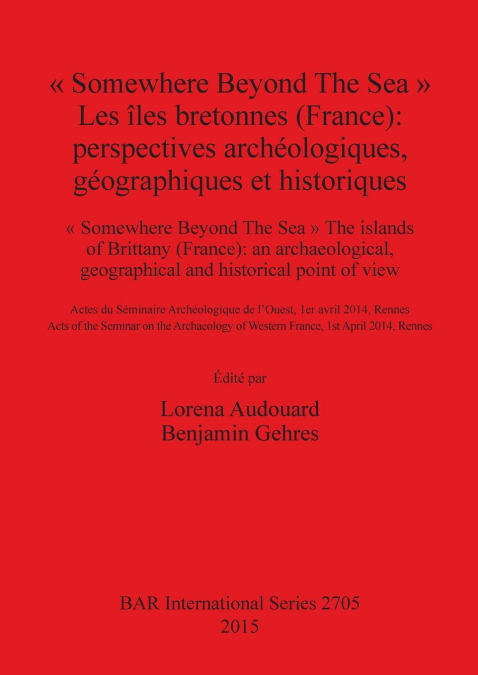
  • Somewhere Beyond The Sea Les îles bretonnes (France)
    The Seminar on the Archaeology of Western France, which focused on the islands of Brittany, was held on 1 April 2014 at the University of Rennes 1. The desire to organize this seminar arose spontaneously from the dynamism which currently animates archaeological research on island spaces of the western seaboard of France. Indeed, the seminar took place during a pivotal period of...
    Disponible

    86,11 €

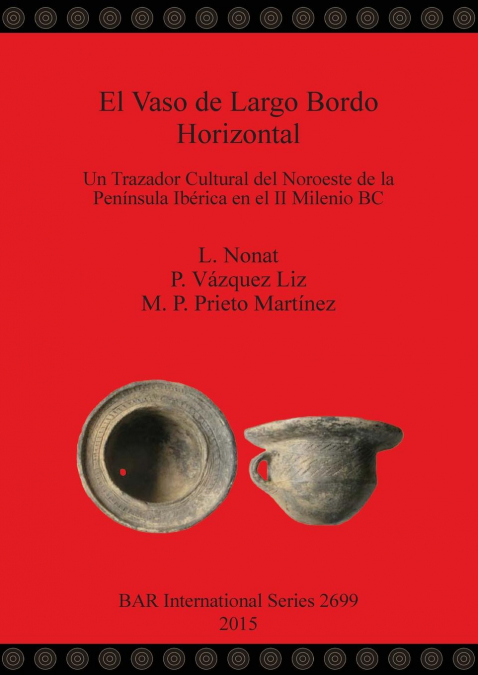
  • El Vaso de Largo Bordo Horizontal
    L. Nonat / LNonat / M. P. Prieto Martínez / MPPrieto Martínez / P. Vázquez Liz / PVázquez Liz
    In this paper the authors study a specific type of pottery from the northwest Iberian Peninsula, known as the Wide Horizontal Rim (WHR) vessel. One of its distinctive aspects is precisely the fact that it is exclusively found in this region, which now comprises the Spanish region of Galicia and northern Portugal, as far south as the River Duero. This type of pottery, of which t...
    Disponible

    115,71 €

  • A Connecting Sea
    Stašo Forenbaher
    This book includes papers stemming from a session at the EAA conference held in Zadar in September 2007.                          ...
    Disponible

    79,97 €

  • The Roman Pottery Production Site at Wickham Barn, Chiltington, East Sussex
    Chris Butler / Malcolm Lyne
    The excavations undertaken at Chiltington in East Sussex revealed two Roman pottery kilns, as well as remains from prehistory and from medieval period.The kilns are well documented, and all the finds were examined and catalogued. Three phases were identified. The pottery produced on the site indicate a strong New Forest influence. ...
    Disponible

    55,62 €

  • Kurgans, Ritual Sites, and Settlements
    Edited by: Jeannine Davis-Kimball, Eileen M. Murphy, Ludmila Koryakova and Leonid T. YablonskyThis richly illustrated volume adds immensely to the small but growing corpus of Eurasian Archaeology published in the English language. Comprised of thirty articles, the authors have focused on the Bronze Age, continuing to include the first millennium BC Early Iron Age, with a termin...
    Disponible

    158,26 €

Otros libros del autor

  • Old Kingdom Legends of the Pharoahs
    EZRA IVANOV
    SPHINX OF GIZAMany mysteries surround the Sphinx. Many tourists are confused by the Giza sand as they trudge through it. They wonder why there is such a big fuss about this dusty knoll. Many Egyptologists agree with this statement since, unlike the three enormous pyramids that stand upon the plateau above and where the tombs of pharaohs are. The Giza Sphinx is not known to have...
    Disponible

    21,48 €

  • Decoding the Pyramids
    EZRA IVANOV
    THE PYRAMID TEXTSThe king offers an offering! Anubis gives the offering! From the highlands come to thee your thousand young antelope with bowed heads. What a gift!Anubis gives this offering! Thank you for your thousand loaves! Thank you for your thousand beers! From the palace hall, you sent forth a thousand incenses! Everything pleasant in thy thousand! There are a thousand c...
    Disponible

    22,55 €

  • Strange Mythology of the Ancient Egyptians
    EZRA IVANOV
    There are a lot of stories connected to ancient Egypt among the many nations of this world. Indeed, the history of this great nation contains many exciting elements, but what provides a better insight into ancient Egypt and its incredibly imaginative inhabitants is the mythology.At the center of ancient Egyptian culture, sacrifices and rituals were dedicated to enthralling gods...
    Disponible

    21,48 €

  • Ancient Divine Ceremonies in the Temples of Egypt
    EZRA IVANOV
    As every growth of seed from seed is followed by destruction, so every birth of living flesh is followed by its death, and all that decays is regenerated by the measured courses of the gods circling in the heavens.-Hermetica: Libellus III, 4Spiritual practices are founded upon a liturgy that articulates their cosmology, philosophy, and metaphysical goals. The spiritual traditio...
    Disponible

    21,48 €

  • Ancient Origins of the Zodiac
    EZRA IVANOV
    Egypt’s geographical isolation and the unique geography of the Nile Valley are thought to have been responsible for its long existence. Because of this military control, astronomical concepts in Egypt became so ingrained and inseparable from everyday concerns that they became an integral part of Egyptian life. As your gaze rises to the horizons of Egypt, you can see the movemen...
    Disponible

    11,71 €

  • Sacred Cosmology Schools and Secret Orders in Ancient Egypt
    EZRA IVANOV
    During the formative years of Egyptian civilization, each Cosmogony was present. Students from many regions and segments of society attended the Houses of Life, and royals regularly donated endowments for the temple’s maintenance and activities. These circumstances suggest a theological harmony, suggesting that a group of religious centers must have been cohesive despite their ...
    Disponible

    13,37 €