
Armed Conflicts and Forced Displacements in the Anthropocene

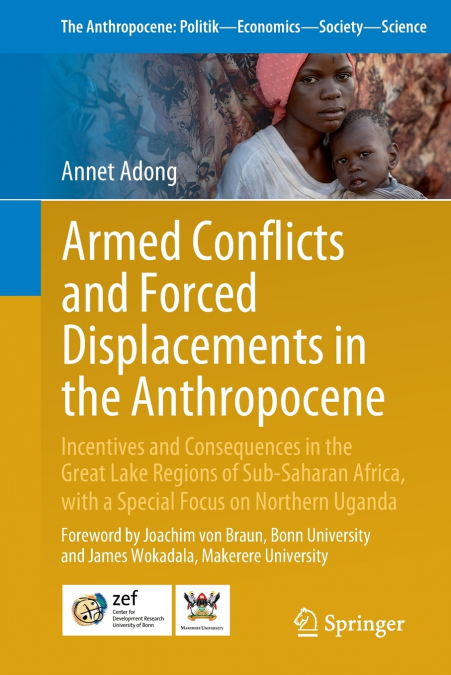
Armed Conflicts and Forced Displacements in the Anthropocene

Annet Adong

131,34 €
IVA incluido
Disponible
Editorial:
Springer Nature B.V.
Año de edición:
2026
Materia
Migración, inmigración y emigración
ISBN:
9783032048196
131,34 €
IVA incluido
Disponible

Selecciona una librería:

  • Librería Samer Atenea

  • Kálamo Books
  • Librería Elías (Asturias)
  • Librería Kolima (Madrid)
  • Librería Proteo (Málaga)

This book focuses on the incentives for armed conflict in the Great Lakes Region of Sub-Saharan Africa and its consequences, including social preferences and refugee integration. The contribution of this book is twofold. First, the book adds to the limited literature on incentives for engaging in armed conflict in Sub-Saharan Africa and the post-conflict recovery trajectory. Secondly, it provides evidence on likely forms of discrimination due to biases from social identity amongst refugees and hosts, which may affect refugee integration.The book is organized as follows: the first chapter is a general motivation and framing of the studies. The second chapter investigates the incentives and disincentives for engaging in armed conflicts in the Great Lakes Region (GLR). The GLR has a history of armed conflict, with some active armed conflicts in South Sudan and the Democratic Republic of the Congo, which have affected the development of the region. The GLR is also characterized by criss-crossing hostilities, including governments supporting fellow incumbent governments to quell a rebellion or supporting rebel groups hostile to sitting governments. The region provides an excellent case study for understanding the incentives and disincentives for armed conflict, especially in SSA. The third and fourth chapters address a highly policy-relevant issue in the context of refugee-hosting and integration. Humanitarian efforts to manage refugees have emphasized the need for self-reliance and reintegration with the host communities. The chapters examine the potential discrimination and biases that hosting communities may harbor towards refugees and how these attitudes can impact land transactions. Refugees may face discrimination emerging from differences in social identity and characterization within and external to refugee settlements. The behavioral attitudes of hosts may also influence their willingness to engage in land transactions with refugees. Amidst costly, unsustainable approaches to land distribution to refugees by hosting governments, land arrangements that hinge on the hosting communities’ behavioral attributes, such as trust and altruism, may offer lasting solutions. If fairness or social preferences are profound amongst refugees and hosting communities, land transactions between hosts and refugees might provide an alternative sustainable approach for refugees to acquire land. Ignoring positive behavioral attributes through government provision may crowd out such private provision. •    Adds to the literature on incentives for armed conflict •    Evidence on trajectory for post- conflict recovery

Artículos relacionados

  • FREEDOM
    Joss Sheldon
    WE ALL DESERVE TO BE FREEOnce upon a time, we were free to go wherever we chose. It wasn’t so long ago. The history of humanity, is a tale of constant motion.People are supposed to move about. We have imaginations which encourage us to dream about life in other places, bodies which are built to roam, and hands which can make an array of vehicles. A few of us even possess the 'W...
    Disponible

    25,23 €

  • FREEDOM
    Joss Sheldon
    WE ALL DESERVE TO BE FREEOnce upon a time, we were free to go wherever we chose. It wasn’t so long ago. The history of humanity, is a tale of constant motion.People are supposed to move about. We have imaginations which encourage us to dream about life in other places, bodies which are built to roam, and hands which can make an array of vehicles. A few of us even possess the 'W...
    Disponible

    16,86 €

  • FREEDOM
    Joss Sheldon
    WE ALL DESERVE TO BE FREEOnce upon a time, we were free to go wherever we chose. It wasn’t so long ago. The history of humanity, is a tale of constant motion.People are supposed to move about. We have imaginations which encourage us to dream about life in other places, bodies which are built to roam, and hands which can make an array of vehicles. A few of us even possess the 'W...
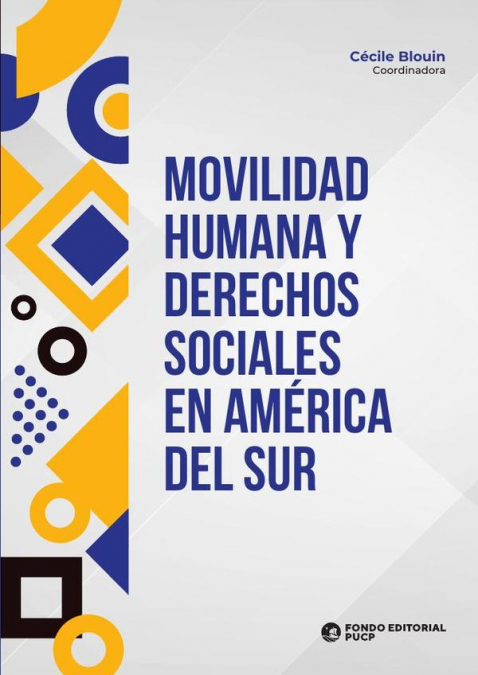
  • Movilidad humana y derechos sociales en américa del sur
    Cécile Blouin
    Este libro reúne aportes teóricos sobre derechos sociales en la movilidad humana en la migración internacional, con estudios de caso en Argentina y Chile, desde una perspectiva pluridisciplinaria. Esta publicación no solo ofrece un riguroso análisis legal del grado de protección y garantía de los derechos sociales para las personas migrantes y refugiadas, sino que invita a una ...
    Disponible

    9,31 €

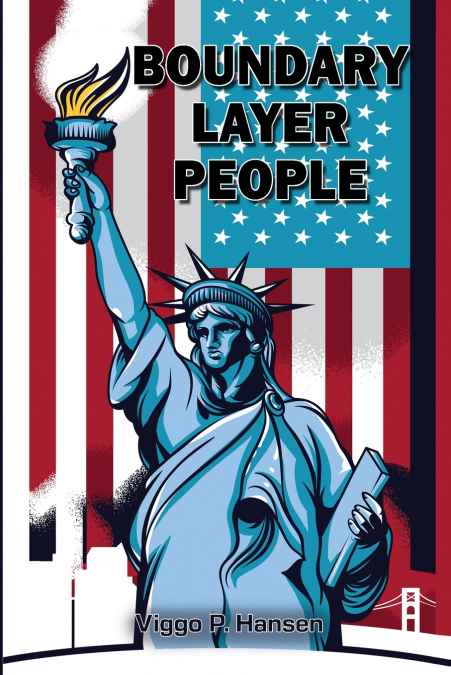
  • Bounty Layer People
    Viggo Hansen
    America became a super nation largely because of its immigrants and education. Their offspring - Bounty Layer People - are the fortunate recipients. This book tells the story of one such person whose parents came from Denmark and began as sod busters in Montana, moving on to the Midwest. He later became a soldier, teacher and author. His concerns are America’s public education ...
    Disponible

    20,21 €

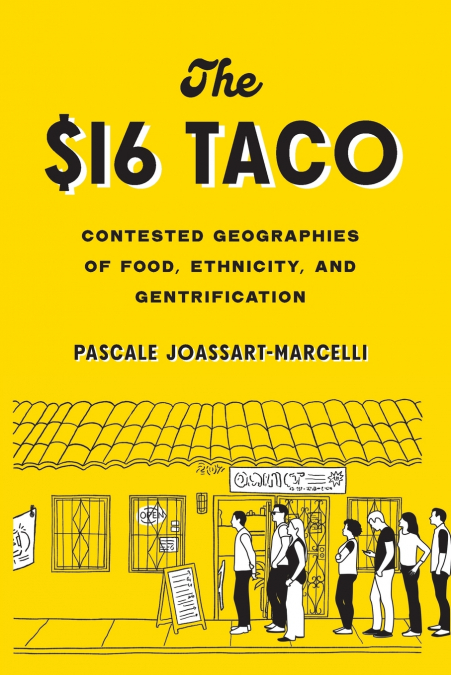
  • The $16 Taco
    Pascale Joassart-Marcelli
    Confronting the role of foodie culture in gentrificationHaving “discovered” the flavors of barbacoa, bibimbap, bánh mi, sambusas, and pupusas, white middle-class eaters are increasingly venturing into historically segregated neighborhoods in search of “authentic” eateries run by—and for—immigrants and people of color. Fueled by media attention and capitalized on by developers, ...
    Disponible

    38,06 €