
Inicio > Humanidades > Religión y creencias > Budismo > Archaeological History of Indian Buddhism
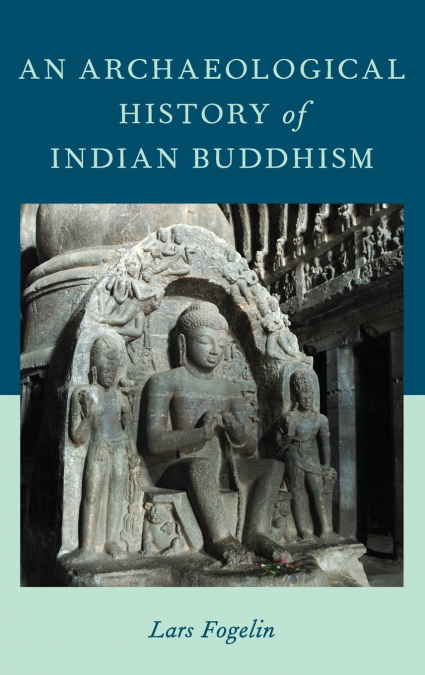
Archaeological History of Indian Buddhism

Archaeological History of Indian Buddhism

Lars Fogelin

78,50 €
IVA incluido
Disponible
Editorial:
Oxford University Press
Año de edición:
2015
Materia
Budismo
ISBN:
9780199948239
78,50 €
IVA incluido
Disponible

Selecciona una librería:

  • Librería Samer Atenea
  • Librería Aciertas (Toledo)
  • Kálamo Books
  • Librería Perelló (Valencia)
  • Librería Elías (Asturias)
  • Donde los libros
  • Librería Kolima (Madrid)
  • Librería Proteo (Málaga)

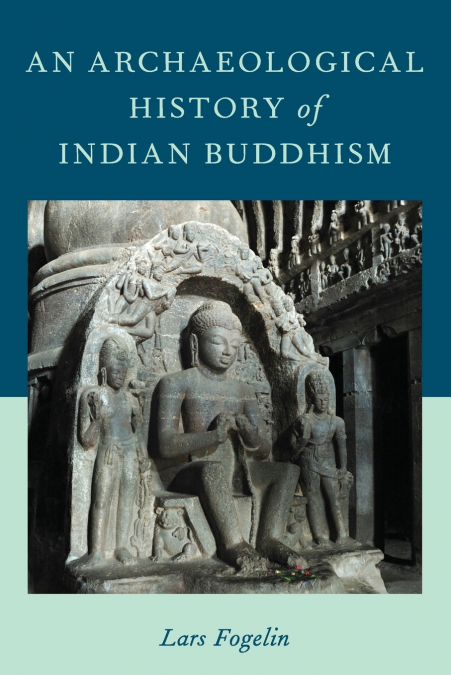
An Archaeological History of Indian Buddhism is a comprehensive survey of Indian Buddhism from its origins in the 6th century BCE, through its ascendance in the 1st millennium CE, and its eventual decline in mainland South Asia by the mid-2nd millennium CE. Weaving together studies of archaeological remains, architecture, iconography, inscriptions, and Buddhist historical sources, this book uncovers the quotidian concerns and practices of Buddhist monks and nuns (the sangha), and their lay adherents--concerns and practices often obscured in studies of Buddhism premised largely, if not exclusively, on Buddhist texts. At the heart of Indian Buddhism lies a persistent social contradiction between the desire for individual asceticism versus the need to maintain a coherent community of Buddhists. Before the early 1st millennium CE, the sangha relied heavily on the patronage of kings, guilds, and ordinary Buddhists to support themselves. During this period, the sangha emphasized the communal elements of Buddhism as they sought to establish themselves as the leaders of a coherent religious order. By the mid-1st millennium CE, Buddhist monasteries had become powerful political and economic institutions with extensive landholdings and wealth. This new economic self-sufficiency allowed the sangha to limit their day-to-day interaction with the laity and begin to more fully satisfy their ascetic desires for the first time. This withdrawal from regular interaction with the laity led to the collapse of Buddhism in India in the early-to-mid 2nd millennium CE. In contrast to the ever-changing religious practices of the Buddhist sangha, the Buddhist laity were more conservative--maintaining their religious practices for almost two millennia, even as they nominally shifted their allegiances to rival religious orders. This book also serves as an exemplar for the archaeological study of long-term religious change through the perspectives of practice theory, materiality, and semiotics.
Artículos relacionados

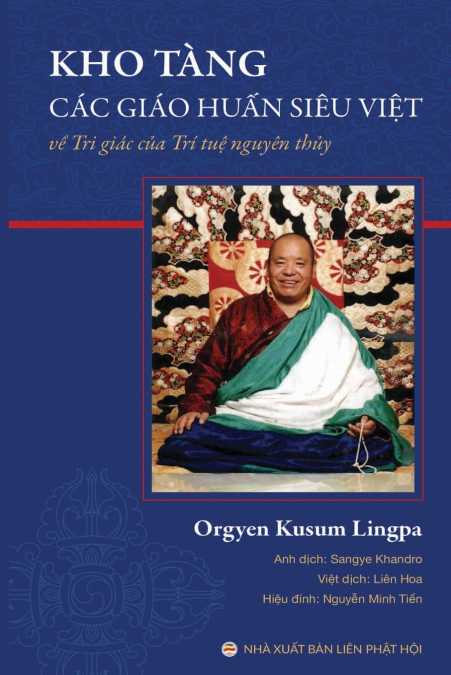
  • Kho tàng các giáo huấn siêu việt
    Orgyen Kusum Lingpa / Liên Hoa
    Hiện thân vinh quang sự toàn thiện nguyên thủy của hai tích tập và sự thuần tịnh bổn nguyên của hai che chướng được biểu lộ như trạng thái toàn thiện nguyên sơ, Đức Phật nguyên thủy Samantabhadra (Phổ Hiền). Sự xuất hiện của quang minh chói lọi và lòng bi mẫn không chướng ngại này được phô diễn như các hiện thân giác ngộ lẫn trí tuệ nguyên thủy. Nó hiển lộ như vô số cảnh giới t...
    Disponible

    9,45 €

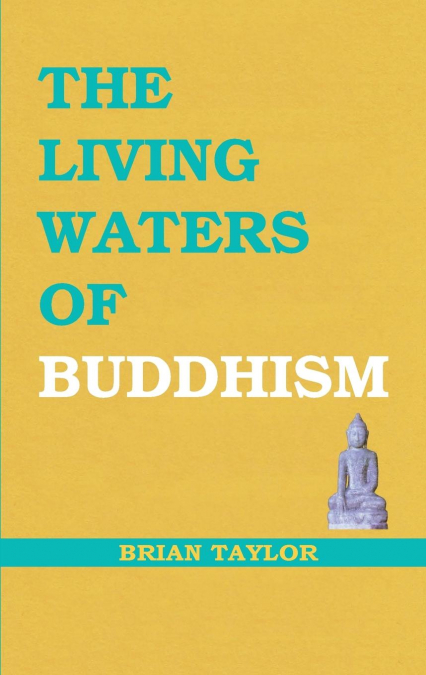
  • The Living Waters of Buddhism
    Brian F. Taylor / Brian FTaylor
    Buddhism is the cool water of the Universe. It is refreshing. It sustains the Holy life. It revives the parched Heart of man.''The purpose of the Holy Life, its goal, is unshakeable liberation of mind.'' Buddha: Middle Length Sayings, Sutta 29. (This booklet is included in Basic Buddhism for a World in Trouble.) ...
    Disponible

    5,27 €

  • Nguồn chân lẽ thật
    Nguyên Minh
    Như một nguồn nước chảy ra muôn dòng nước, nếu nguồn nước ấy bị nhiễm bẩn, mọi dòng nước cũng đều ô nhiễm không dùng được. Nếu nguồn nước được giữ cho trong sạch, thanh khiết, thì mọi dòng nước từ đó chảy ra đều sẽ là những dòng nước trong trẻo, mát lành. Cũng vậy, việc gìn giữ một tâm thức trong sáng, hiền thiện chính là cội nguồn chân thật để từ đó khởi sinh hết thảy mọi việc...
    Disponible

    7,51 €

  • Khuyên người bỏ sự tham dục
    Nguyễn Minh Tiến
    Sách này được phân làm ba quyển. Quyển thứ nhất sưu tầm các tích truyện xưa, nhằm khơi dậy tâm niệm răn ngừa sự dâm dục. Quyển thứ hai phân tích chi tiết lý lẽ, nhằm khai mở, trình bày rõ về phương pháp, cách thức để răn ngừa sự dâm dục. Quyển thứ ba gồm các phần hỏi đáp, nhằm củng cố vững chắc căn bản của sự răn ngừa dâm dục. Trình bày như thế là để đi dần từ cạn đến sâu, khôn...
    Disponible

    13,19 €

  • Phật pháp ứng dụng
    Nguyên Minh
    Chuyên mục Phật pháp ứng dụng được hình thành trên website Rộng Mở Tâm Hồn (www.rongmotamhon.net) từ giữa năm 2016, nhằm giải đáp nhiều thắc mắc từ độc giả gửi về cho chúng tôi, thay thế cho hình thức trả lời bằng thư riêng vẫn sử dụng từ nhiều năm qua. Bằng cách này, chúng tôi có thể cùng lúc trả lời nhiều độc giả và cũng có thể hệ thống các vấn đề thành những nhóm chủ đề chun...
    Disponible

    8,63 €

  • The Ancient Egyptian Buddha
    Muata Ashby
    This book, 'The Ancient Egyptian Buddha: The Ancient Egyptian Origins of Buddhism,' explores the historical and spiritual connections between Ancient Egyptian religion and Buddhism. Authored by Reginald Muata Abhaya Ashby, a respected scholar in African spirituality and ancient religions, the book delves into the intricate relationships and shared philosophies that have shaped ...
    Disponible

    16,03 €

Otros libros del autor

  • Archaeological History of Indian Buddhism
    Lars Fogelin
    An Archaeological History of Indian Buddhism is a comprehensive survey of Indian Buddhism from its origins in the 6th century BCE, through its ascendance in the 1st millennium CE, and its eventual decline in mainland South Asia by the mid-2nd millennium CE. Weaving together studies of archaeological remains, architecture, iconography, inscriptions, and Buddhist historical sourc...
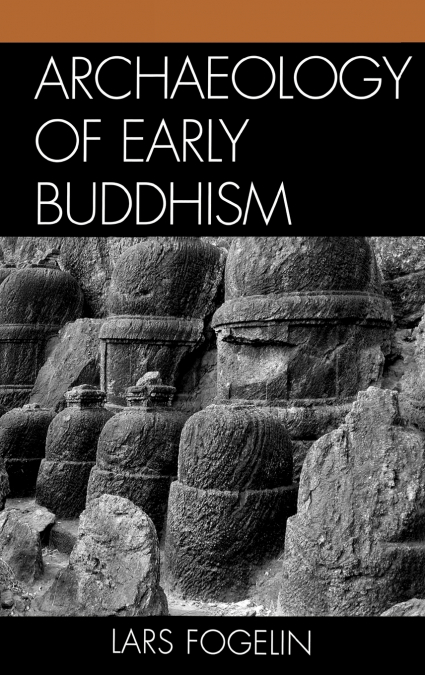
  • Archaeology of Early Buddhism
    Lars Fogelin
    How do archaeologists explore the various dimensions of religion? Lars Fogelin uses archaeological work at Thotlakonda in Southern India as his lens in a broader examination of Buddhist monastic life. He discovers the tension between the desired isolation of the monastery and the mutual engagement with neighbors in the Early Historic Period. He also sketches how religious archi...