 Librería Samer Atenea
 Kálamo Books
 Librería Elías (Asturias)
 Librería Kolima (Madrid)
 Librería Proteo (Málaga)
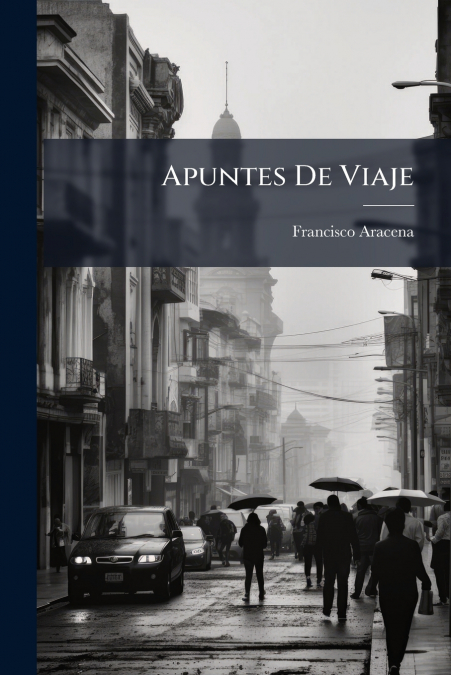
Apuntes de Viaje: La Industria Del Cobre En Las Provincias De Atacama Y Coquimbo, Y Los Grandes Y Valiosos Depósitos Carboníferos De Lota Y Coronel En La Provincia De Concepcion, by Francisco Aracena, offers a fascinating glimpse into 19th-century Chile through the eyes of a keen observer. This travelogue details the author’s journey through the provinces of Atacama and Coquimbo, providing insights into the burgeoning copper industry that shaped the region’s economy and landscape. Aracena also explores the significant coal deposits of Lota and Coronel in the province of Concepcion, highlighting their economic importance and the lives of the people connected to them. This book is a valuable resource for historians, economists, and anyone interested in the industrial and economic development of Chile. Aracena’s detailed observations and descriptions provide a unique perspective on the challenges and opportunities of a nation undergoing rapid transformation. His work captures the spirit of a time when Chile was establishing itself as a major player in the global market for resources.This work has been selected by scholars as being culturally important, and is part of the knowledge base of civilization as we know it. This work was reproduced from the original artifact, and remains as true to the original work as possible. Therefore, you will see the original copyright references, library stamps (as most of these works have been housed in our most important libraries around the world), and other notations in the work.This work is in the public domain in the United States of America, and possibly other nations. Within the United States, you may freely copy and distribute this work, as no entity (individual or corporate) has a copyright on the body of the work.As a reproduction of a historical artifact, this work may contain missing or blurred pages, poor pictures, errant marks, etc. Scholars believe, and we concur, that this work is important enough to be preserved, reproduced, and made generally available to the public. We appreciate your support of the preservation process, and thank you for being an important part of keeping this knowledge alive and relevant.