Inicio > Artes > Música > Aplicações de caraterísticas locais baseadas no ShapeIndex para reconhecimento de objectos
Aplicações de caraterísticas locais baseadas no ShapeIndex para reconhecimento de objectos

Aplicações de caraterísticas locais baseadas no ShapeIndex para reconhecimento de objectos

Chiranji Lal Chowdhary / D. Kishore Kumar

57,58 €
IVA incluido
Disponible
Editorial:
KS OmniScriptum Publishing
Año de edición:
2025
Materia
Música
ISBN:
9786206763444
57,58 €
IVA incluido
Disponible

Selecciona una librería:

  • Librería Samer Atenea
  • Librería Aciertas (Toledo)
  • Kálamo Books
  • Librería Perelló (Valencia)
  • Librería Elías (Asturias)
  • Donde los libros
  • Librería Kolima (Madrid)
  • Librería Proteo (Málaga)

Os seres humanos fazem com que o reconhecimento de objectos pareça trivial. Conseguimos identificar facilmente os objectos que nos rodeiam, independentemente das suas circunstâncias, quer estejam de cabeça para baixo, com cores ou texturas diferentes, parcialmente ocultos, etc. Mesmo os objectos que aparecem em muitas formas diferentes, como os vasos, ou os objectos que estão sujeitos a desvios de forma consideráveis, como as árvores, podem ser facilmente generalizados pelo nosso cérebro para um tipo de objeto. A identificação de objectos é feita através da integração da extração de caraterísticas invariantes à escala (SIFT) e a representação do índice de forma de imagens de gama permite a correspondência de superfícies com diferentes escalas e orientações. É obtido um índice de forma que é utilizado como descritor local ou descritor de pontos-chave. Os descritores de pontos-chave são identificados onde os valores do índice de forma são extremos. Assim, o projeto proposto destina-se à identificação de objectos e utiliza duas propriedades diferentes, como as propriedades da superfície 3D para a identificação do índice de forma e a transformada de caraterísticas invariantes à escala 2D para a deteção de pontos-chave e a extração de caraterísticas. Este método proposto pode ser aplicável a imagens com escala, rotação e oclusão.

Artículos relacionados

  • Hear the Beat, Feel the Music
    James Joseph
    How do you count music? What’s an 8-count? How do you find the beat in a song?This book, along with more than 20 YouTube videos, will teach you how to count music the easy way—using the 8-count, the way dancers count. If you struggle to stay on the beat, the music lessons in this book are a mini-course in how to get rhythm. Being “rhythmically challenged” is not a lack of abili...
    Disponible

    15,54 €

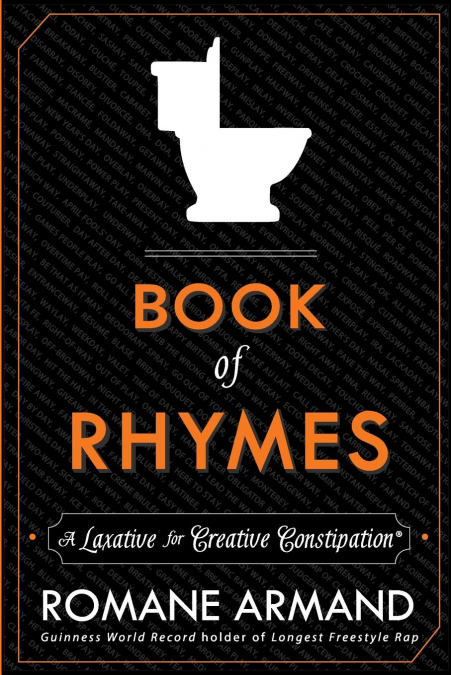
  • Book of Rhymes
    Romane Armand
    What rhymes with Google, or Beyoncé, or better yet, what rhymes with ORANGE? This book full of words that rhyme together has all the answers! With over 50,000 rhyming entries, this essential reference tool will help songwriters, poets, and advertisers overcome writer’s block and quickly find the right rhyming word. It features slang, phrases, idioms, and pop-culture terms, not ...
    Disponible

    27,01 €

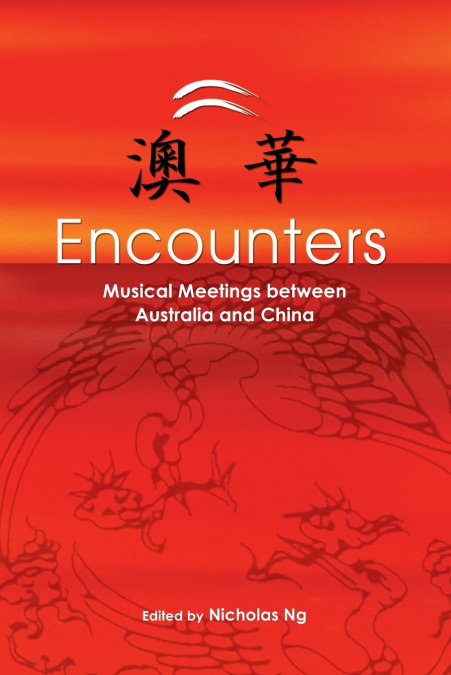
  • Encounters
    Nicholas Ng
    Addressing the themes of: music and history; tradition versus innovation; cultural diversity/intercultural creativity; and music and the related arts; this book  focuses on encounters between China and Australia from the earliest imaginings and representations to the latest cultural exchanges. Here, the reader will find of stories of forbidden love, prejudice and deceit, of ges...
    Disponible

    44,49 €

  • RIVERSONG
    Lee Underwood
    INTRODUCTIONNearly all of the poems included in Riversong are new.They are expressions of personal love, transcendentalrealization, and my deep involvement with nature and music.STREAM. . .RIVER. . .FLOW, that starts off the FOREVERSONGS Section, for example, is a journey from youth’s firstrealization of the power of music, when as a nine-year-oldboy, lying in bed, I held a pla...
    Disponible

    13,09 €

  • کمانچه نوازی نوین
    Sina Alam
    در این کتاب سعی کرده ام کمانچه را به عنوان یک ساز زهی_آرشه ای کامل و واقعی بشناسانم و تا جایی که می شود شخصیتی کششی برای آن بسازم .همچنین مقوله بسیار مهمی را که سال ها آهنگسازان و نوازندگان با آن درگیر بوده اند حل کنم-انتقالی بودن ساز کمانچه-.اشتباه بزرگی که موجب سختی در نگارش و نوازندگی می شد،نگاه انتقالی به این ساز بوده که درکتاب با نگاه بی طرفانه به حل این مشکل پُرداخته ام.ن...
    Disponible

    34,39 €

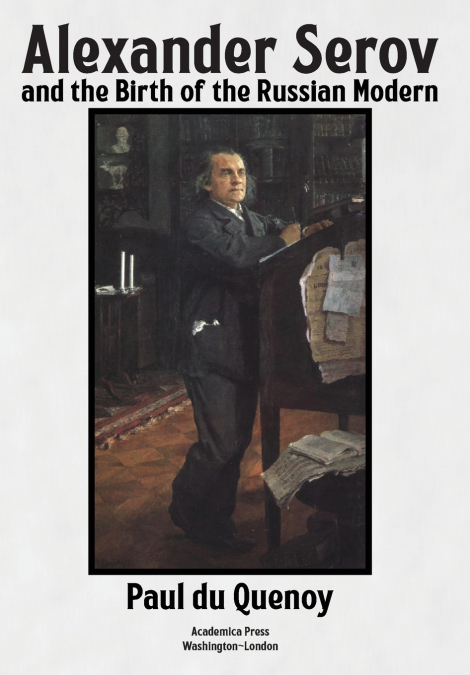
  • Alexander Serov and the Birth of the Russian Modern
    Paul du Quenoy
    When did Russia become 'modern?' Historians of Russia - including even many Russian historians - have long tried to identify Russia’s 'modern' moment. While most scholars have looked to economic or ideological transitions, noted historian and critic Paul du Quenoy approaches the problem through culture, and specifically the performing arts, as told through the prism of one of i...
    Disponible

    114,17 €

Otros libros del autor

  • Applicazioni di caratteristiche locali basate su ShapeIndex per il riconoscimento degli oggetti
    Chiranji Lal Chowdhary / D. Kishore Kumar
    Per gli esseri umani il riconoscimento degli oggetti è banale. Siamo in grado di identificare facilmente gli oggetti che ci circondano, indipendentemente dalle loro condizioni, se sono capovolti, di colore o consistenza diversi, parzialmente occlusi, ecc. Anche gli oggetti che appaiono in molte forme diverse, come i vasi, o che sono soggetti a notevoli deviazioni di forma, come...
    Disponible

    57,52 €

  • Applications des caractéristiques locales basées sur le ShapeIndex pour la reconnaissance d’objets
    Chiranji Lal Chowdhary / D. Kishore Kumar
    Pour les humains, la reconnaissance d’objets semble triviale. Nous pouvons facilement identifier des objets dans notre environnement, quelles que soient les circonstances, qu’ils soient à l’envers, de couleur ou de texture différente, partiellement occultés, etc. Même les objets qui se présentent sous de nombreuses formes différentes, comme les vases, ou les objets qui sont suj...
    Disponible

    57,58 €

  • Zastosowania cech lokalnych do rozpoznawania obiektów w oparciu o ShapeIndex
    Chiranji Lal Chowdhary / D. Kishore Kumar
    Ludzie sprawiają, że rozpoznawanie obiektów wygląda banalnie. Z łatwością identyfikujemy obiekty w naszym otoczeniu, niezależnie od okoliczności, w jakich się znajdują, niezależnie od tego, czy są odwrócone do góry nogami, różnią się kolorem lub teksturą, są częściowo zasłonięte itp. Nawet obiekty, które występują w wielu różnych formach, takich jak wazony, lub obiekty, które p...
    Disponible

    57,58 €