
Inicio > Humanidades > Filosofía > Anupalabdhi als Pramana - Eine kritische Untersuchung
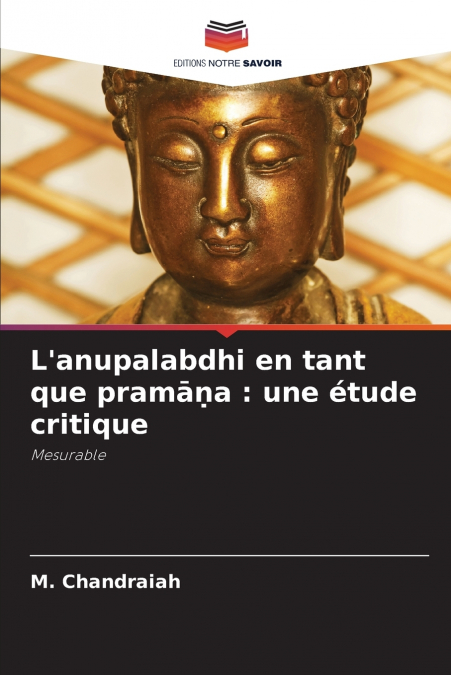
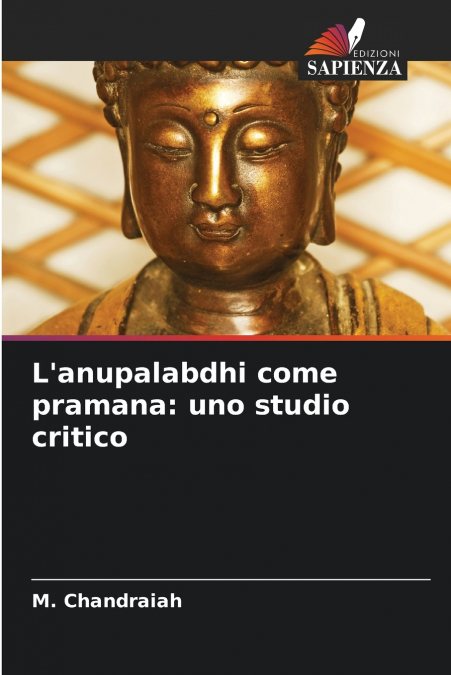
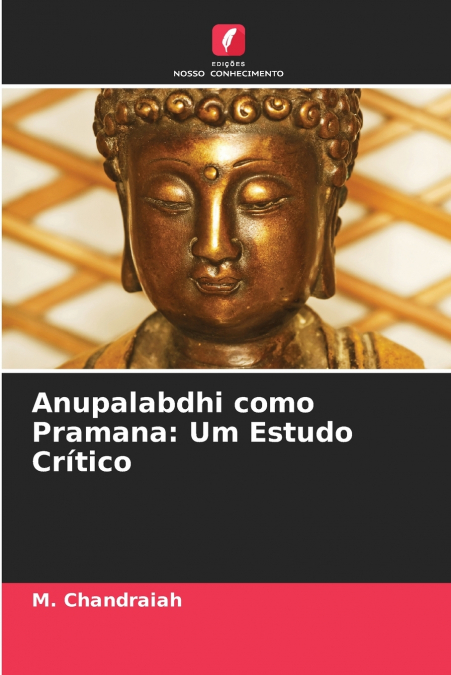
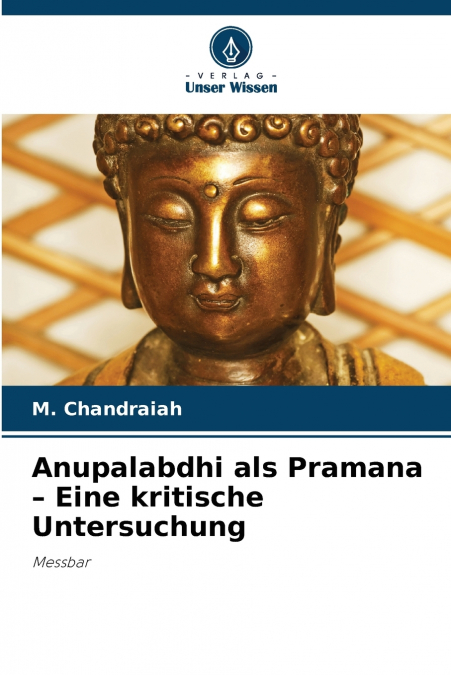
Anupalabdhi als Pramana - Eine kritische Untersuchung

Anupalabdhi als Pramana - Eine kritische Untersuchung

M. Chandraiah

115,78 €
IVA incluido
Disponible
Editorial:
KS OmniScriptum Publishing
Año de edición:
2026
Materia
Filosofía
ISBN:
9786209978173
115,78 €
IVA incluido
Disponible

Selecciona una librería:

  • Librería Samer Atenea

  • Kálamo Books
  • Librería Elías (Asturias)
  • Librería Kolima (Madrid)
  • Librería Proteo (Málaga)

Unter indischen Erkenntnistheoretikern herrscht große Uneinigkeit darüber, was die letztendlichen Quellen menschlichen Wissens sind. Für die Carvakas, die radikale Empiristen sind, ist Pratyaksa oder Wahrnehmung die einzige gültige Wissensquelle, und alles gültige Wissen stammt aus der Wahrnehmung. Die Buddhisten und die Vaisesikas vertreten die Auffassung, dass Pratyaksa oder Wahrnehmung und Anumana oder Schlussfolgerung die letztendlichen Quellen gültigen Wissens sind. Nach den Systemen des Samkhya und des Yoga sollte Sabda oder mündliches Zeugnis ebenfalls als eigenständige Quelle des Wissens anerkannt werden, ebenso wie Wahrnehmung und Schlussfolgerung. Das Samkhya ordnet Upamana und Arthapatti der Schlussfolgerung zu und Abhava der Wahrnehmung. Die Naiyayikas vertreten die Ansicht, dass es vier eigenständige Quellen des Wissens gibt, nämlich Wahrnehmung, Schlussfolgerung, mündliches Zeugnis und Vergleich. Ihrer Ansicht nach können die anderen von den Systemen der Mimamsa und des Vedanta anerkannten Wissensquellen, nämlich Arthapatti (Vermutung) und Anupalabdhi (Nichtwahrnehmung), in diese vier einbezogen werden und müssen daher nicht als ultimative oder unabhängige Wissensquellen betrachtet werden. Die Prabhakara-Schule der Purva Mimamsa fügt Arthapatti (Vermutung) zur Liste der vier Prama hinzu.

Artículos relacionados

  • Introduction to a Future Way of Thought
    Kostas Axelos / Kenneth Mills
    'Technologists only change the world in various ways in generalized indifference; the point is to think the world and interpret the changes in its unfathomability, to perceive and experience the difference binding being to the nothing.'Anticipating the age of planetary technology Kostas Axelos, a Greek-French philosopher, approaches the technological question in this book, firs...
    Disponible

    18,58 €

  • Capsule
    John Kenneth Press
    Join John and Adam as they wander the mean streets of Japan on a psychedelic fueled search for identity. While fun for the average reader, this book could also serve as a philosphy textbook because of its ordered exploration of sources of identity. Ultimately this trip through nationalist attacks, sex, and drugs, will take you to a better understanding of yourself and your pl...
    Disponible

    11,51 €

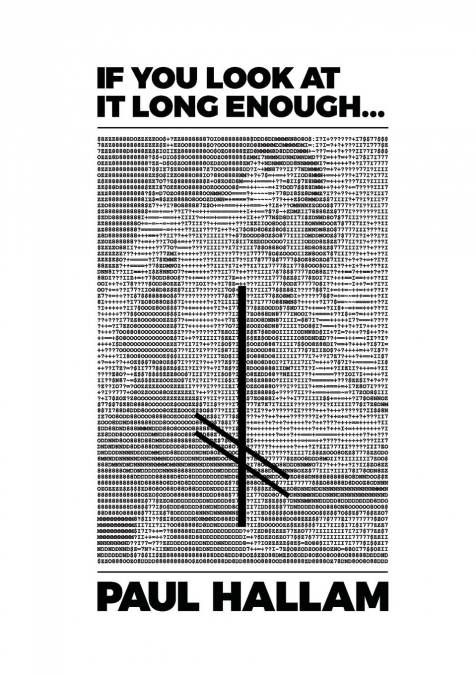
  • If you look at it long enough...
    Paul Hallam
    Originally written for an academic journal, If you look at it long enough... is primarily a personal account of Paul Hallam’s recollections of “self-abuse” through the consumption of porn over several decades. Challenging the familiar form of an “academic essay,” this autobiographical narrative raises several questions in relation to our contemporary morals related to sex in ge...
    Disponible

    11,30 €

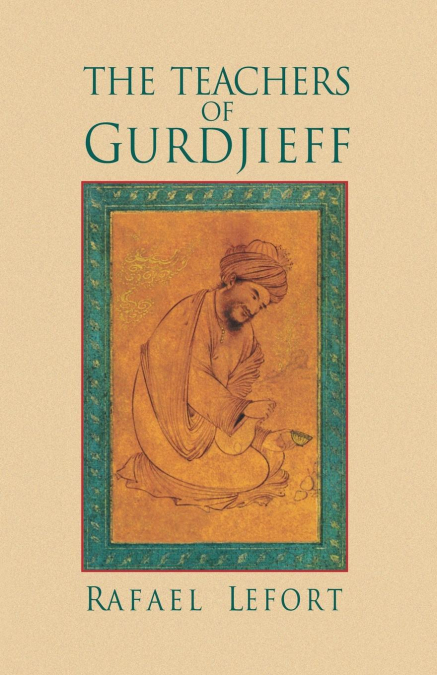
  • The Teachers of Gurdjieff
    Rafael Lafort / Rafael Lefort
    When The Teachers of Gurdjieff was first published more than 50 years ago, it made a considerable stir. George Ivanovich Gurdjieff had been one of the most famous mystics in the West in the first half of the 20th century - a teaching master who had many fashionable and influential pupils. He had a striking appearance and manner of teaching, and his teaching proved to be very in...
    Disponible

    20,45 €

  • Manifesto of the Communist Party
    Karl Marx
    The Communist Manifesto was first published on February 21, and it is one of the world’s most influential political tracts. Commissioned by the Communist League and written by communist theorists Karl Marx and Friedrich Engels, it laid out the League’s purposes and program. The Manifesto suggested a course of action for a proletarian (working class) revolution to overthrow the ...
  • The Art of Literature
    Arthur Schopenhauer
    Collected here are eight short essays, On Authorship, On Style, On the Study of Latin, On Men of Learning, On Thinking for Ones Self, On Criticism, On Reputation, On Genius, by the world renowned philosopher Arthur Achopenhauer. ...

Otros libros del autor

  • L’anupalabdhi en tant que pramāṇa
    M. Chandraiah
    Les épistémologues indiens divergent fortement quant à la nature des sources ultimes de la connaissance humaine. Pour les Carvakas, qui sont des empiristes radicaux, le pratyaksa, ou perception, est la seule source valable de connaissance, et toute connaissance valable provient de la perception. Les bouddhistes et les Vaisesikas soutiennent que le pratyaksa, ou perception, et l...
    Disponible

    101,45 €

  • L’anupalabdhi come pramana
    M. Chandraiah
    Esistono notevoli divergenze di opinione tra gli epistemologi indiani riguardo a quali siano le fonti ultime della conoscenza umana. Per i Carvaka, che sono empiristi radicali, la pratyaksa, ovvero la percezione, è l’unica fonte valida di conoscenza e tutta la conoscenza valida deriva dalla percezione. I buddisti e i Vaisesika sostengono che la pratyaksa, ovvero la percezione, ...
    Disponible

    101,46 €

  • Anupalabdhi jako pramana - studium krytyczne
    M. Chandraiah
    Wśród indyjskich epistemologów istnieje wiele rozbieżności poglądów na temat tego, jakie są ostateczne źródła ludzkiej wiedzy. Dla karwaków, którzy są radykalnymi empirystami, pratyaksa, czyli percepcja, jest jedynym ważnym źródłem wiedzy, a cała ważna wiedza pochodzi z percepcji. Buddyści i waiszikowie utrzymują, że pratyaksa, czyli percepcja, oraz anumana, czyli wnioskowanie,...
    Disponible

    101,46 €

  • Anupalabdhi como Pramana
    M. Chandraiah
    Existe uma grande divergência de opiniões entre os epistemólogos indianos quanto às fontes últimas do conhecimento humano. Para os carvakas, que são empiristas radicais, a pratyaksa, ou perceção, é a única fonte válida de conhecimento, e todo o conhecimento válido provém da perceção. Os budistas e os vaisesikas defendem que a pratyaksa, ou perceção, e a anumana, ou inferência, ...
    Disponible

    101,46 €