 Librería Samer Atenea
 Kálamo Books
 Librería Elías (Asturias)
 Librería Kolima (Madrid)
 Librería Proteo (Málaga)
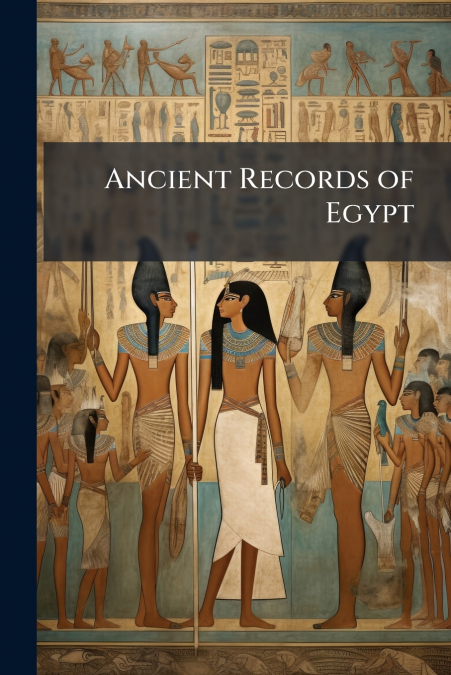
Delve into the rich tapestry of ancient Egypt with 'Ancient Records of Egypt: The Twentieth to the Twenty-Sixth Dynasties.' This meticulously compiled volume offers a profound glimpse into a pivotal era of Egyptian history, presenting invaluable primary source material translated for modern readers. Spanning the Twentieth to Twenty-Sixth Dynasties, this collection showcases the administrative, religious, and cultural facets of Egyptian society through inscriptions, papyri, and other archaeological finds. Scholars and enthusiasts alike will appreciate the detailed accounts of pharaohs, deities, and the everyday lives of the ancient Egyptians. Rediscover the legacy of one of history’s most fascinating civilizations, brought to life through its own words and enduring monuments. 'Ancient Records of Egypt' is an essential addition to any historical library, preserving the voices of the past for generations to come.This work has been selected by scholars as being culturally important, and is part of the knowledge base of civilization as we know it. This work was reproduced from the original artifact, and remains as true to the original work as possible. Therefore, you will see the original copyright references, library stamps (as most of these works have been housed in our most important libraries around the world), and other notations in the work.This work is in the public domain in the United States of America, and possibly other nations. Within the United States, you may freely copy and distribute this work, as no entity (individual or corporate) has a copyright on the body of the work.As a reproduction of a historical artifact, this work may contain missing or blurred pages, poor pictures, errant marks, etc. Scholars believe, and we concur, that this work is important enough to be preserved, reproduced, and made generally available to the public. We appreciate your support of the preservation process, and thank you for being an important part of keeping this knowledge alive and relevant.