
Inicio > Humanidades > Filosofía > Anarquía, estado y utopía
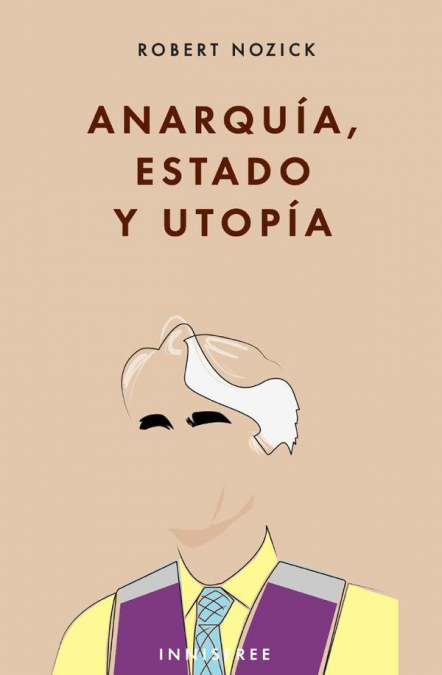
Anarquía, estado y utopía

Anarquía, estado y utopía

Anarquía, Estado y Utopía

ROBERT NOZICK

26,52 €
IVA incluido
Disponible
Editorial:
Editorial Innisfree Ltd.
Año de edición:
2012
Materia
Filosofía
ISBN:
9781909870185
26,52 €
IVA incluido
Disponible

Selecciona una librería:

  • Librería Samer Atenea
  • Librería Aciertas (Toledo)
  • Kálamo Books
  • Librería Perelló (Valencia)
  • Librería Elías (Asturias)
  • Donde los libros
  • Librería Kolima (Madrid)
  • Librería Proteo (Málaga)

El filósofo estadounidense Robert Nozick (1938-2002) publicó en 1974 un libro que se tornó clásico: Anarquía, Estado y Utopía. Nozick, en algún sentido, comprimió determinado espíritu individualista de la década del setenta en los Estados Unidos, a partir de la fundación de una filosofía propia del país: el libertarismo. Pensamiento que emanaba del diálogo de la tradición del anarquismo individualista del siglo XIX con el concepto de propiedad lockeano y la economía de la Escuela Austríaca. ¿Qué nos dice hoy a cuarenta años de su publicación? Anarquía, Estado y Utopía es un libro complejo, fascinante, racional y radical, mucho más sutil de lo que se cree. En su desarrollo Nozick omite a Hobbes y Stuart Mill y se apoya en Kant y Locke, al igual que en la tradición individualista libertaria (Spooner, Thoreau) y en los despliegues de Mises y Hayek. El texto, además, vino a debatir abiertamente con Teoría de la Justicia de John Rawls (1971), un libro colosal que obligó a posicionarse en materia de filosofía política y moral, y restauró años de silencio en la filosofía práctica. La cuestión a polemizar será respecto del concepto de justicia distributiva. Sin embargo, la filosofía nozickiana no es tan desalmada como parece serlo, el joven Nozick adscribió en sus años mozos a la New Left (Herbert Marcuse, por ejemplo) y luego sus lecturas viraron producto del encuentro con Ayn Rand y Murray Rothbard. Todo ese tránsito es visible: en el pensamiento libertario de Nozick convive la sensibilidad socialista y la racionalidad liberal, él mismo señaló que las personas más interesantes que había conocido eran socialistas, pero no pensaba como ellos, sin embargo, los liberales, más rígidos y aburridos, pensaban cercano a sus ideas. 10

Artículos relacionados

  • Introduction to a Future Way of Thought
    Kostas Axelos / Kenneth Mills
    'Technologists only change the world in various ways in generalized indifference; the point is to think the world and interpret the changes in its unfathomability, to perceive and experience the difference binding being to the nothing.'Anticipating the age of planetary technology Kostas Axelos, a Greek-French philosopher, approaches the technological question in this book, firs...
    Disponible

    18,58 €

  • Capsule
    John Kenneth Press
    Join John and Adam as they wander the mean streets of Japan on a psychedelic fueled search for identity. While fun for the average reader, this book could also serve as a philosphy textbook because of its ordered exploration of sources of identity. Ultimately this trip through nationalist attacks, sex, and drugs, will take you to a better understanding of yourself and your pl...
    Disponible

    11,51 €

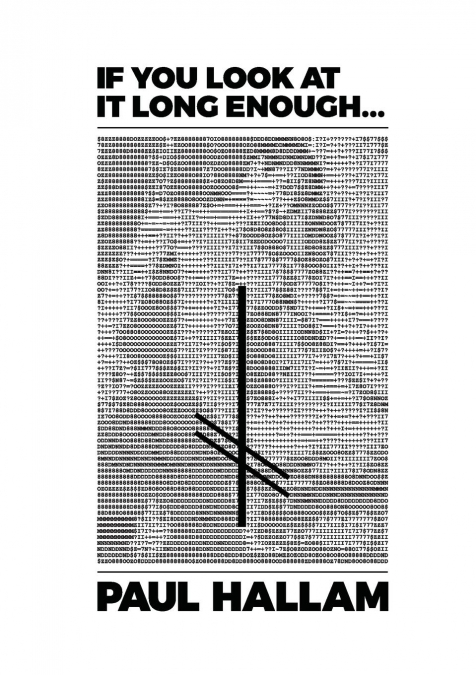
  • If you look at it long enough...
    Paul Hallam
    Originally written for an academic journal, If you look at it long enough... is primarily a personal account of Paul Hallam’s recollections of “self-abuse” through the consumption of porn over several decades. Challenging the familiar form of an “academic essay,” this autobiographical narrative raises several questions in relation to our contemporary morals related to sex in ge...
    Disponible

    11,30 €

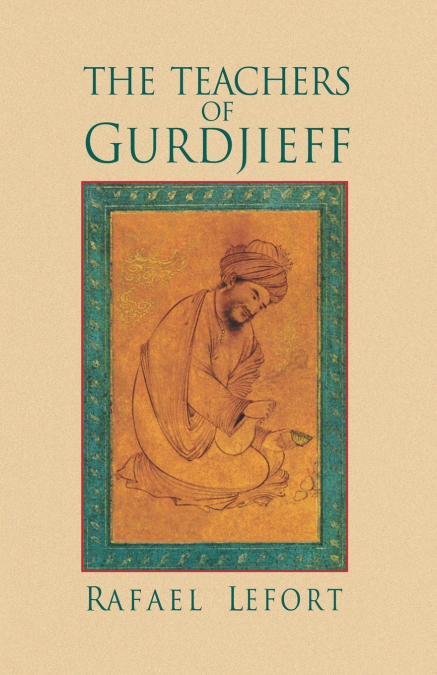
  • The Teachers of Gurdjieff
    Rafael Lafort / Rafael Lefort
    When The Teachers of Gurdjieff was first published more than 50 years ago, it made a considerable stir. George Ivanovich Gurdjieff had been one of the most famous mystics in the West in the first half of the 20th century - a teaching master who had many fashionable and influential pupils. He had a striking appearance and manner of teaching, and his teaching proved to be very in...
    Disponible

    20,45 €

  • Manifesto of the Communist Party
    Karl Marx
    The Communist Manifesto was first published on February 21, and it is one of the world’s most influential political tracts. Commissioned by the Communist League and written by communist theorists Karl Marx and Friedrich Engels, it laid out the League’s purposes and program. The Manifesto suggested a course of action for a proletarian (working class) revolution to overthrow the ...
  • The Art of Literature
    Arthur Schopenhauer
    Collected here are eight short essays, On Authorship, On Style, On the Study of Latin, On Men of Learning, On Thinking for Ones Self, On Criticism, On Reputation, On Genius, by the world renowned philosopher Arthur Achopenhauer. ...

Otros libros del autor

  • Explicaciones filosóficas
    ROBERT NOZICK
    Explicaciones filosóficas, de Robert Nozick, ha sido aclamada por los críticos como un notable suceso intelectual que estableció la posición de Nozick como un pensador fundamental de nuestro tiempo.Explicaciones filosóficas «atraerá a la gente inteligente de todos los campos... A Nozick lo mueve una espléndida pasión... Sus argumentos unen sus explicaciones con aquello de lo qu...
    Disponible

    27,56 €

  • The Emergence of Logical Empiricism
    Robert Nozick
    First published in 1996. Routledge is an imprint of Taylor & Francis, an informa company. ...
  • The Nature of Rationality
    Robert Nozick
    Repeatedly and successfully, the celebrated Harvard philosopher Robert Nozick has reached out to a broad audience beyond the confines of his discipline, addressing ethical and social problems that matter to every thoughtful person. Here Nozick continues his search for the connections between philosophy and 'ordinary' experience. In the lively and accessible style that his reade...
    Disponible

    57,00 €