 Librería Samer Atenea
 Kálamo Books
 Librería Elías (Asturias)
 Librería Kolima (Madrid)
 Librería Proteo (Málaga)
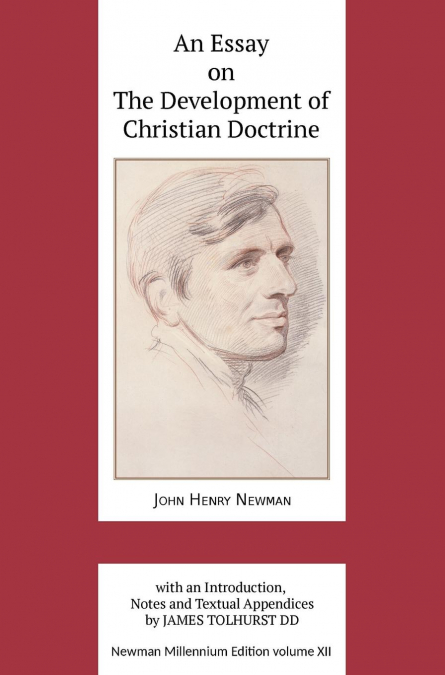
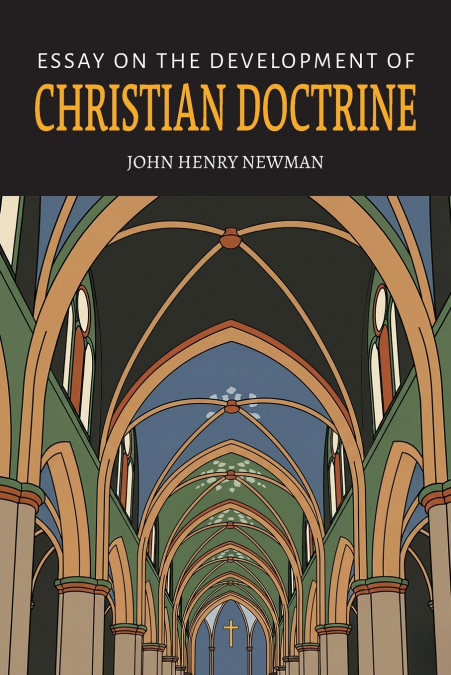
John Henry Newman’s An Essay on the Development of Christian Doctrine stands as a revolutionary milestone in theological history. Written during the pivotal moment of a transition between traditions, the work addresses the fundamental tension between the perceived static nature of divine revelation and the undeniable changes in church practice and dogma over centuries. The author argues that for a living idea to remain faithful to its essence, it must grow and adapt to new contexts, famously positing that to live is to change and to be perfect is to have changed often.The core of the essay introduces a system of seven tests for distinguishing authentic doctrinal development from mere corruption. By examining criteria such as the preservation of a core type, the continuity of principles, and the presence of a logical sequence, the work provides a framework to explain how simple early confessions evolved into the complex structures of the modern era. This methodology suggests that later doctrines are actually the organic maturation of seeds planted in the apostolic age, much like a grown man retains the identity of the child he once was.Beyond its historical implications, the book transformed the way thinkers understand the intersection of faith and time. By integrating a sense of historical consciousness into religious thought, it moved away from a rigid view of the past toward a dynamic, evolutionary understanding of truth. The work remains essential for anyone exploring the philosophy of history, the nature of institutional growth, and the intellectual foundations that eventually informed significant modernizing movements within the church.