

 Librería Samer Atenea
 Kálamo Books
 Librería Elías (Asturias)
 Librería Kolima (Madrid)
 Librería Proteo (Málaga)
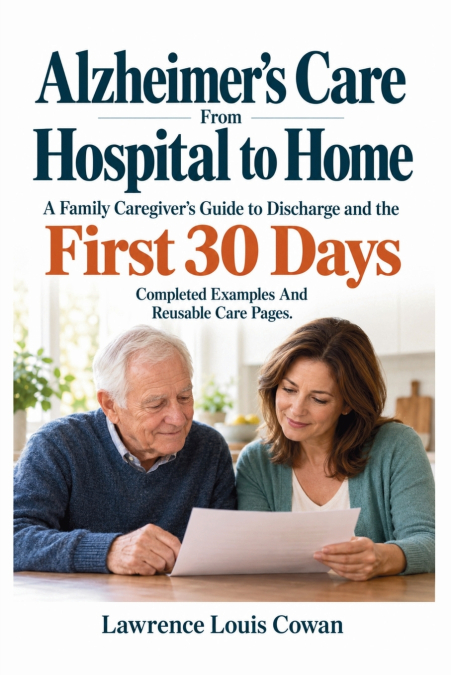
Leaving the hospital is only the beginning Discharge papers can tell you what should happen without making clear who will do it. When a person with Alzheimer’s disease is coming home, unanswered medication questions, uncertain help, and appointments still waiting to be arranged can leave important parts of the plan unfinished. Families need a practical way to identify those gaps and bring them to the right professional. Make the next step clear In Hospital to Home With Alzheimer’s, Lawrence Louis Cowan helps family caregivers prepare for discharge and organize the first 30 days afterward. This dementia hospital discharge guide explains how to describe the person’s usual abilities, ask useful questions, obtain clarified instructions, and confirm what support will actually be available. It also helps readers prepare for the first night and build a daily routine around current care needs. The chapters address medication questions to raise with the prescribing team, changes that require medical attention, communication during distress, and follow-up on appointments and pending results. Readers learn to record observations clearly, share information with other helpers, and explain when the household needs more support. The person’s preferences remain part of the discussion, alongside the caregiver’s real limits. A record you can use when something is unfinished The book’s next-step record connects each open task to its responsible person or service, the time it needs attention, and the confirmation that closes it. A referral sent is different from a visit arranged. A test completed still needs a professional explanation. This approach helps families keep track of those differences without taking over clinical decisions. Fourteen chapters, completed fictional examples, and 17 reusable care records put that approach into practical form. The pages support discharge conversations, medication clarification, service arrangements, change reports, and shared-care handoffs. Cited guidance supports the discussion, while the book makes clear where individual assessment is needed and where its worksheets serve as organizational tools. For the people helping care happen at home This book is for readers who are preparing to bring a parent home, supporting a spouse or partner after hospitalization, coordinating help with relatives, or assisting a friend through the first month after discharge. Its service and insurance discussions focus primarily on the United States. Use this guide to prepare the next conversation, keep current instructions within reach, and follow through on the care that remains unfinished. It offers a practical structure for working with the care team as the person’s needs and the household’s circumstances become clearer.







