
Inicio > Artes > Cine, televisión y radio > Películas, cine > Alcohol in the Movies, 1898-1962
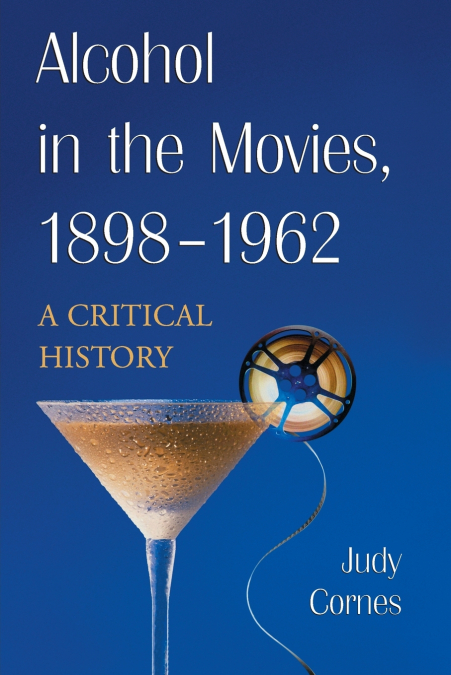
Alcohol in the Movies, 1898-1962

Alcohol in the Movies, 1898-1962

Judy Cornes

57,31 €
IVA incluido
Disponible
Editorial:
McFarland and Company, Inc.
Año de edición:
2006
Materia
Películas, cine
ISBN:
9780786426331
57,31 €
IVA incluido
Disponible

Selecciona una librería:

  • Librería Samer Atenea
  • Librería Aciertas (Toledo)
  • Kálamo Books
  • Librería Perelló (Valencia)
  • Librería Elías (Asturias)
  • Donde los libros
  • Librería Kolima (Madrid)
  • Librería Proteo (Málaga)

A 1906 film called The Dream of a Rarebit Fiend shows a man drinking and eating voraciously at a restaurant, then going home to bed. In the surreal scenes that follow, furniture disappears, tiny devils poke the man’s head with pitchforks, and his bed hurls itself out the window and across the city. But it wasn’t commentary on drinking; rather, it was a showcase of early special effects--double exposure photography, panning shots, and montage. Turn-of-the-century films typically treated drinking as a subject for comedy and ridicule, and the comic possibilities translated well into silent movies. As talkies developed and the film industry matured, alcohol’s portrayal was reflected in the times: prohibition, the Great Depression, the war years, and as social commentary. Here is a study of 64 years of alcohol as portrayed in film. The author begins with the appearance in 1898 of what is probably the first commercial: a 30-second film of men in kilts dancing and the words 'Scotch Whiskey' appearing in the background. The final film is 1962’s Days of Wine and Roses, which addresses alcoholism. The author includes a film from each decade, those with artistic or historical value, those that represent the comedy, drama and musical genres, and well-known pictures such as The Lost Weekend and A Star Is Born. The first three chapters cover 1903 to 1939. The remaining chapters follow not a timeline but the growing complexity of the movies. A recurring motif is the use of the term 'white logic,' a phrase used by writer Jack London in his 1913 memoir John Barleycorn. It refers to disillusionment with everyday life brought on by and exacerbated by alcohol. An annotated filmography lists the date, source and other relevant information about movies in this study.
Artículos relacionados

  • Great Thriller Films
    Scott V. Palmer / Scott VPalmer
    Great Thriller Films provides a look at some four dozen films made between 1941 and 1988, and includes complete cast lists, directorial credits, running times, plot synopses, and pictures, many of the latter which have never been seen anywhere else.  Films included in this book are theose made in Hollywood or Great Britain, ranging from classics like Gaslight (1944) and Key Lar...
  • The Invaders
    Scott V Palmer
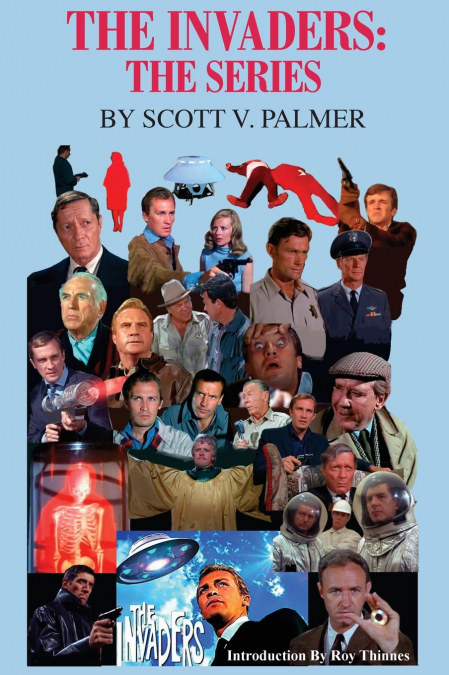
    The Invaders, the popular 1967-68 Television show, starred Roy Thinnes as architect David Vincent.  Late one night, Vincent observes an alien space ship laning in a lonely area.  He knows the invaders are here.  Now, he must convince a disbelieving world that the aliens not only have come to earth, but have taken human form.  They have infiltrated the ranks of government, muili...
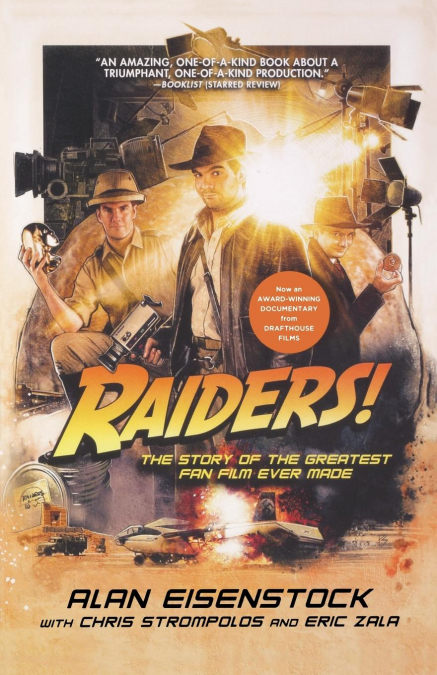
  • RAIDERS!
    ALAN EISENSTOCK
    ...
    Disponible

    19,95 €

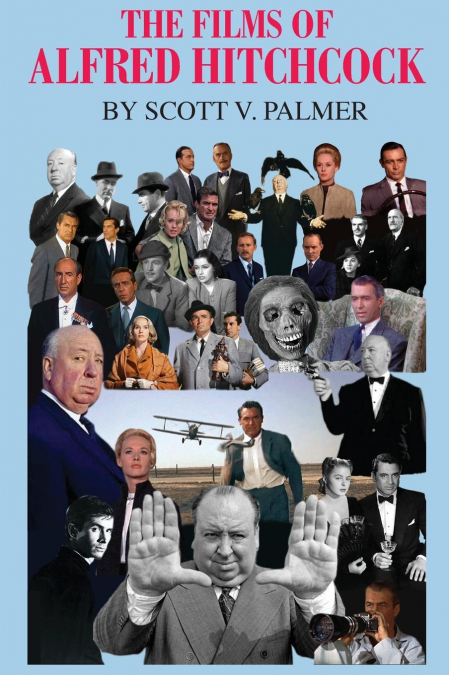
  • The Films of Alfred Hitchcock
    Scott V. Palmer / Scott VPalmer
    Alfred Hitchcock, known as The master of Suspense, was certainly one of the greatest and most influential directors in the history of motion pictures.  This book looks at 55 feature length films that Hitchcock directed between 1925 and 1976. Beginning with the silent film The Pleasure Garden (1925) and finishing up with Family Plot (1976), this work lists complete cast listings...
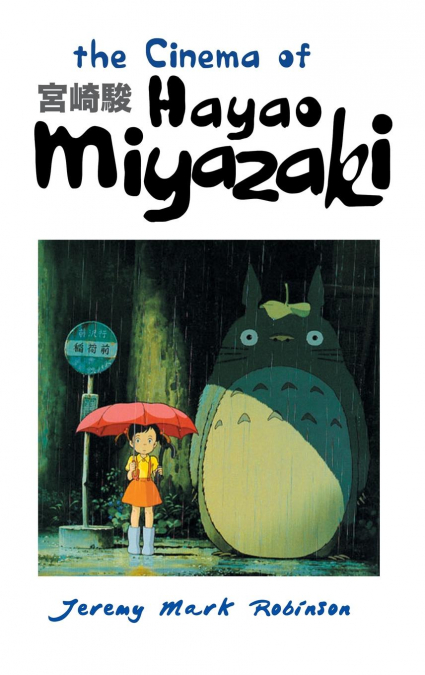
  • THE CINEMA OF HAYAO MIYAZAKI
    Jeremy Mark Robinson
    THE CINEMA OF HAYAO MIYAZAKIREVISED AND UPDATED, WITH NEW ILLUSTRATIONS Born on January 5, 1941 in Tokyo, Hayao Miyazaki is known as the ’Japanese Disney’, a filmmaker as revered - and as popular - as Walt Disney or Steven Spielberg. Miyazaki, in short, is a true phenomenon in contemporary animation and in world cinema. Hayao Miyazaki’s movies include Princess Mononoke, Spi...
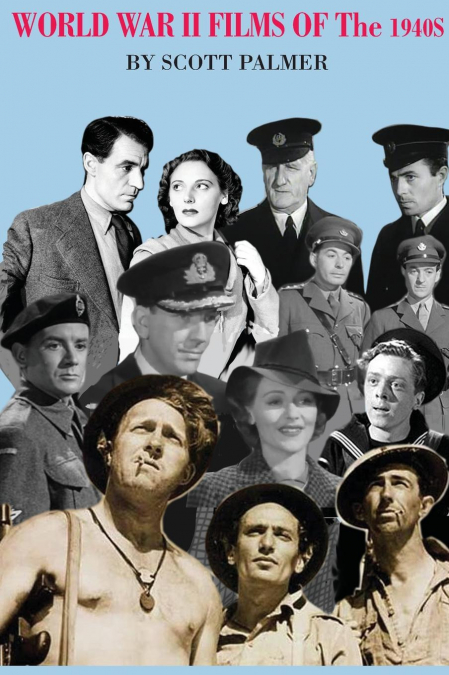
  • World War II Films of the 1940s
    Scott V. Palmer / Scott VPalmer
    World War II Films of the 1940s has been written to provide a comprehensive study of more than two dozen films, made in Great Britain and America from 1940-49.  Included are films dealing with the Army, Navy, and Air Force.  Complete cast lists are provided, along with film director credits, running time, and synopses of each motion picture.  A number of vever before seen photo...

Otros libros del autor

  • Sex, Power and the Folly of Marriage in Women’s Novels of the 1920s
    Judy Cornes
    The Americans experienced great social change in the decade following World War I. They were restless, often discontented, searching for the good life--the one promised to the generation who, cheered on by patriotic slogans and propaganda, enlisted to fight on European battlefields. While young writers such as Hemingway and Fitzgerald romanticized the lives of Americans in...
    Disponible

    71,99 €

  • Madness and the Loss of Identity in Nineteenth Century Fiction
    Judy Cornes
    An obsession with individual identity pervaded Western thinking in the nineteenth and early twentieth centuries. This critical study examines the concept of identity in the works of nineteenth century American and British authors, focusing especially on psychologically mad, vague, shifting and dualistic characterization. Authors examined include Ambrose Bierce, Henry James, ...
    Disponible

    72,06 €