 Librería Samer Atenea
 Kálamo Books
 Librería Elías (Asturias)
 Librería Kolima (Madrid)
 Librería Proteo (Málaga)
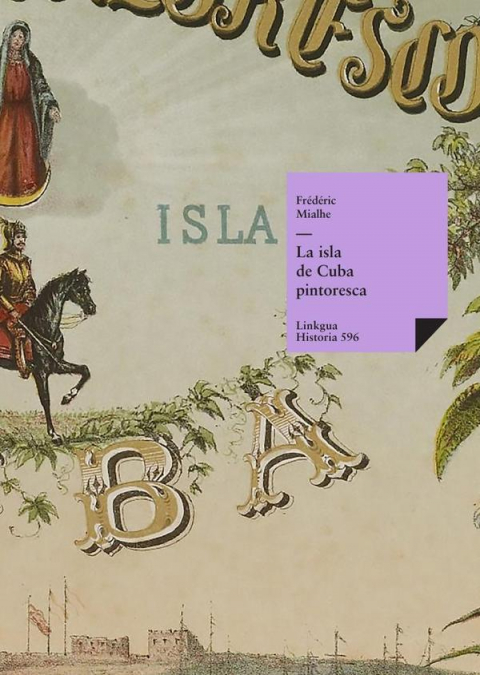
El Álbum pintoresco de la Isla de Cuba, editado en 1848, consta de 30 litografías, es quizás uno de los legados más impactantes de Mialhe. Este álbum fue fruto de la colaboración en el taller de Louis Marquier y causó un gran impacto en Europa, en un momento en que los grabados de artistas del continente, como los franceses ya citados, Garnerey y Laplante; el inglés James Gay Sawskins y el español Víctor Patricio Landaluze, eran altamente valorados. Las litografías de Mialhe, destacadas por su precisión y belleza estética, ofrecen una vista detallada y encantadora de la Cuba colonial, desde paisajes urbanos hasta escenas rurales, cada una desarrolla su propio relato visual sobre la vida en la isla. Este álbum no solo servía como un instrumento de entretenimiento y educación sino que también fue una herramienta diplomática y comercial, mostrando a Europa la riqueza y el exotismo de Cuba.La llegada del siglo XIX trajo consigo un florecimiento cultural sin precedentes en Cuba, especialmente en el ámbito de la gráfica y la litografía. Entre los protagonistas de esta era dorada, destacan varios artistas franceses, que dejaron una huella indeleble en el paisaje artístico y cultural de la isla. Entre ellos, Frederic Mialhe, Eduardo Laplante, y Hipólito Garnerey capturaron la belleza y singularidad de Cuba, y también influyeron profundamente en la percepción y la representación del Caribe en Europa.Frederic Mialhe, nacido en Burdeos el 14 de abril de 1810, llegó a Cuba a la edad de 28 años para trabajar en la imprenta litográfica de la Sociedad Patriótica. Mialhe es quizás el más conocido de los grabadores franceses en Cuba, no solo por su vasta producción sino también por la profundidad con la que capturó la vida y los paisajes cubanos. Su obra más célebre, La Isla de Cuba pintoresca (1838), ofrece una visión panorámica y detallada del ambiente urbano y rural de La Habana colonial. A través de sus litografías, que a menudo poseían un estilo manierístico casi fotográfico, Mialhe documentó aspectos de la vida cotidiana y la naturaleza cubanas, contribuyendo significativamente al género de la literatura costumbrista de la época. Su relación con figuras como el científico cubano Felipe Poey, y su profundo interés en la flora cubana, le permitieron crear imágenes que eran obras de arte y, a la vez, estudios científicos.La contribución de Mialhe no se limitó a la creación de bellas artes; también jugaron un papel crucial en la documentación de una era. Sus litografías proporcionaron a las audiencias europeas una visión al mundo caribeño, que en aquel entonces era exótico y en gran parte desconocido. Además, sus obras ayudaron a cimentar una conexión visual entre Cuba y Europa, influyendo en la percepción europea del Caribe durante el resto del siglo XIX.