Fakhr al-Dn Muammad ibn Umar 1149 o Rz
 Librería Samer Atenea
 Kálamo Books
 Librería Elías (Asturias)
 Librería Kolima (Madrid)
 Librería Proteo (Málaga)
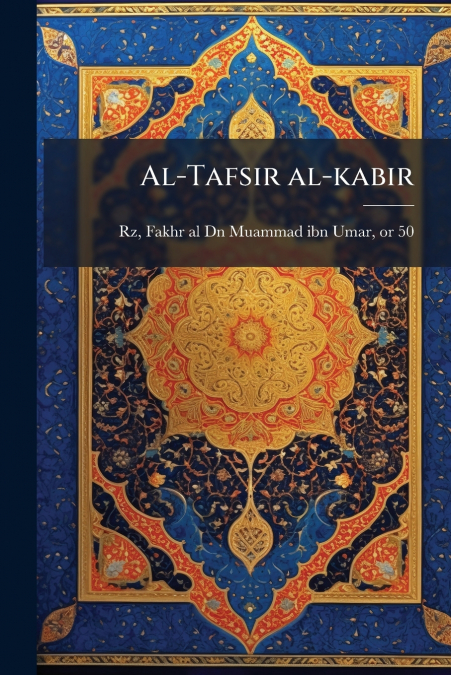
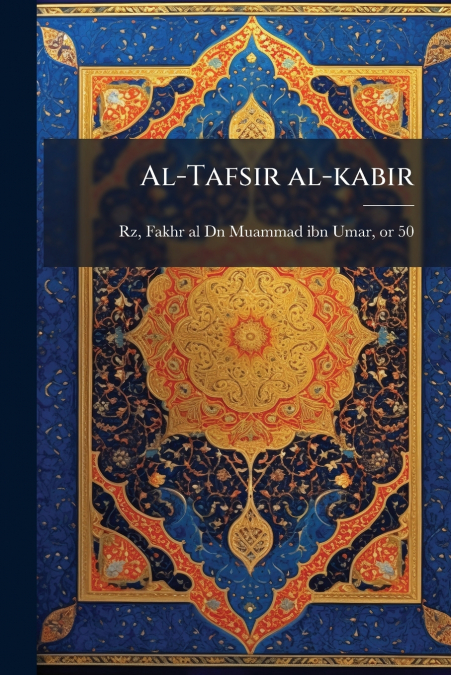
Al-Tafsir al-kabir, also known as Mafatih al-Ghayb (The Keys to the Unseen), is a classical commentary on the Koran by Fakhr al-Din al-Razi, a renowned Islamic scholar and theologian of the 12th and 13th centuries. This multi-volume work represents a comprehensive and influential interpretation of the Islamic holy book, delving into its linguistic nuances, theological implications, and philosophical dimensions.Al-Razi’s commentary is celebrated for its depth, erudition, and engagement with a wide range of intellectual traditions, including philosophy, science, and literature. It offers valuable insights into the historical and cultural context of the Koran, while also exploring its relevance to contemporary issues and concerns. This edition makes available the first two volumes of this monumental work, presenting readers with an opportunity to engage with one of the most important texts in Islamic intellectual history.This work has been selected by scholars as being culturally important, and is part of the knowledge base of civilization as we know it. This work was reproduced from the original artifact, and remains as true to the original work as possible. Therefore, you will see the original copyright references, library stamps (as most of these works have been housed in our most important libraries around the world), and other notations in the work.This work is in the public domain in the United States of America, and possibly other nations. Within the United States, you may freely copy and distribute this work, as no entity (individual or corporate) has a copyright on the body of the work.As a reproduction of a historical artifact, this work may contain missing or blurred pages, poor pictures, errant marks, etc. Scholars believe, and we concur, that this work is important enough to be preserved, reproduced, and made generally available to the public. We appreciate your support of the preservation process, and thank you for being an important part of keeping this knowledge alive and relevant.