Agrar-Öko-Audit

Agrar-Öko-Audit

Edmund A. Spindler

71,78 €
IVA incluido
Disponible
Editorial:
Springer Nature B.V.
Año de edición:
2012
Materia
Economía medioambiental
ISBN:
9783642803598
71,78 €
IVA incluido
Disponible

Selecciona una librería:

  • Librería Samer Atenea
  • Librería Aciertas (Toledo)
  • Kálamo Books
  • Librería Perelló (Valencia)
  • Librería Elías (Asturias)
  • Donde los libros
  • Librería Kolima (Madrid)
  • Librería Proteo (Málaga)

Auch die Landwirtschaft braucht Umweltmanagementsysteme Edmund A. Spindler Es ist unbestritten, daB wir auch in Zukunft in Deutschland eine gesunde Land­ wirtschaft brauchen, die auf breiter Basis lebensfahig ist. Wer hieriiber griindlich nachdenkt, kommt sehr schnell zu der Erkenntnis, daB dies nicht in erster Linie mit Subventionen, sondem vor allem mit modemen Managementmethoden zu errei­ chen ist. D. h. die Landwirtschaft muB lemen, ihre wichtige Stellung in Politik und Gesellschaft selbst so zu gestalten, daB sie den zukiinftigen Anforderungen ge­ wachs en ist. Eigenverantwortung, Selbstkontrolle, Regionalisierung, Marktorien­ tierung, Okologie und Umweltschutz sind hierbei die zentralen Schltisselbegriffe. Besonders der Umweltschutz, der verstiirkt in alle Politikbereiche integriert wer­ den muB, stellt fiir die Landwirtschaft einen zukunftsweisenden Reformansatz dar. Von der aktuellen Nachhaltigkeitsdebatte ist die Landwirtschaft in besonderer Weise betroffen; ihr ist das Thema aber auch nicht neu, sie muB jetzt darauf nur angemessen reagieren. Eine zukunftsfahige Landwirtschaft kommt an einem effek­ tiven Umweltmanagementsystem nicht vorbei. Wie dies zu gestalten ist, dariiber berichtet das vorliegende Buch mit tiber dreiBig Beitriigen und insgesamt 36 Autoren. Es ist ein erster Versuch, das in der Wirtschaft bekannte und erfolgreich praktizierte Oko-Audit auf den Agrarsektor zu tibertragen. Den Begriff 'Agrar-Oko-Audit' habe ich 1995 gepriigt, urn deutlich zu machen, daB sich die Landwirtschaft nicht liinger dem Oko-Audit-Thema verschlieBen darf und die Agrarpolitik moglichst bald darauf positiv reagieren muB.

Artículos relacionados

  • Technological Change and the British Iron Industry, 1700-1870
    Charles K. Hyde
    This book describes technological change in an industry that played a central role in the Indsutrial Revolution. While earlier scholars have examined isolated aspects of ironmaking in the eighteenth- and nineteenth-century Britain, Charles Hyde surveys all aspects of its development. Costs, prices, profits, shrewd leaders, competition, new inventions, and productivity all figur...
    Disponible

    71,94 €

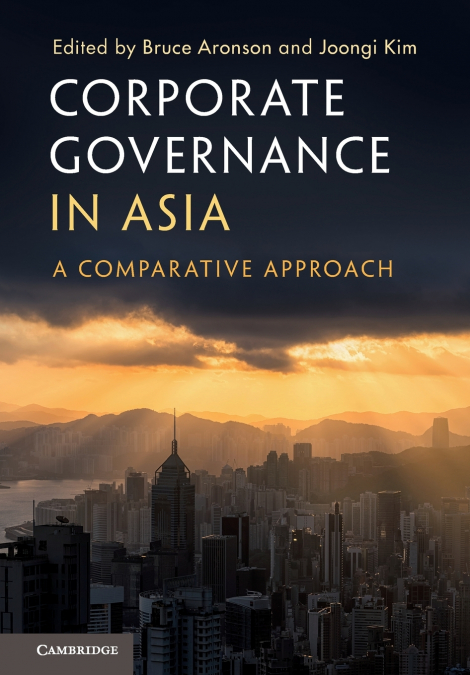
  • Corporate Governance in Asia
    ...
    Disponible

    72,99 €

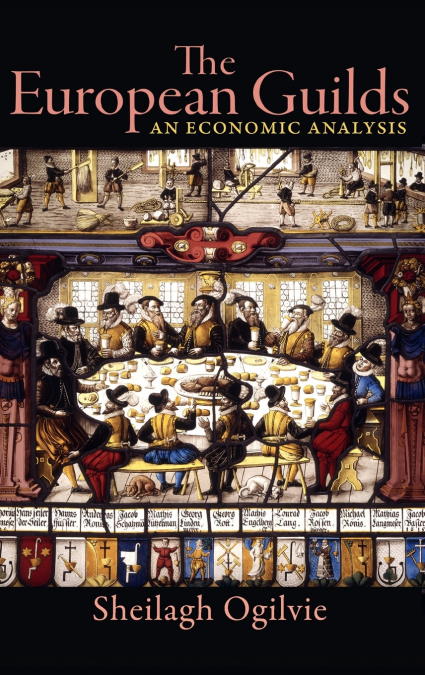
  • The European Guilds
    Sheilagh Ogilvie
    A comprehensive analysis of European craft guilds through eight centuries of economic historyGuilds ruled many crafts and trades from the Middle Ages to the Industrial Revolution, and have always attracted debate and controversy. They were sometimes viewed as efficient institutions that guaranteed quality and skills. But they also excluded competitors, manipulated markets, and ...
  • Technological Change and the British Iron Industry, 1700-1870
    Charles K. Hyde
    This book describes technological change in an industry that played a central role in the Indsutrial Revolution. While earlier scholars have examined isolated aspects of ironmaking in the eighteenth- and nineteenth-century Britain, Charles Hyde surveys all aspects of its development. Costs, prices, profits, shrewd leaders, competition, new inventions, and productivity all figur...
  • Technology Differences over Space and Time
    Francesco Caselli
    Technology Differences over Space and Time looks at how countries use their productive resources-such as workers, skills, equipment and structures, and natural resources. Francesco Caselli develops methods to assess the efficiency with which productive inputs are used, and how these efficiencies vary across countries and over time.Caselli finds that richer countries use skilled...
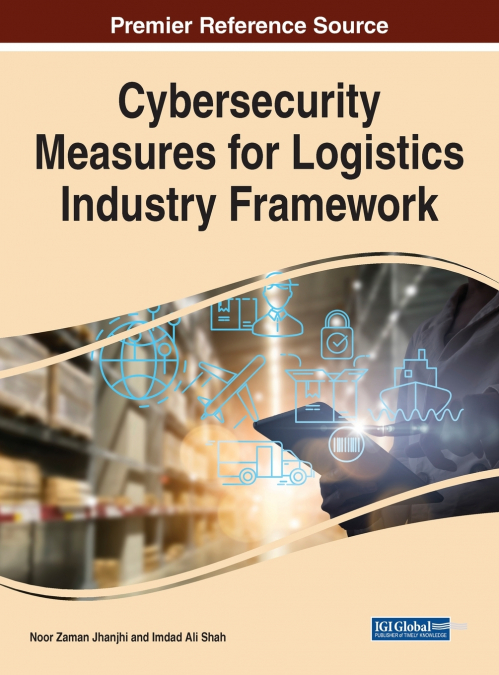
  • Cybersecurity Measures for Logistics Industry Framework
    Global supply chains are becoming more customer-centric and sustainable thanks to next-generation logistics management technologies. Automating logistics procedures greatly increases the productivity and efficiency of the workflow. There is a need, however, to create flexible and dynamic relationships among numerous stakeholders and the transparency and traceability of the supp...