 Librería Samer Atenea
 Kálamo Books
 Librería Elías (Asturias)
 Librería Kolima (Madrid)
 Librería Proteo (Málaga)
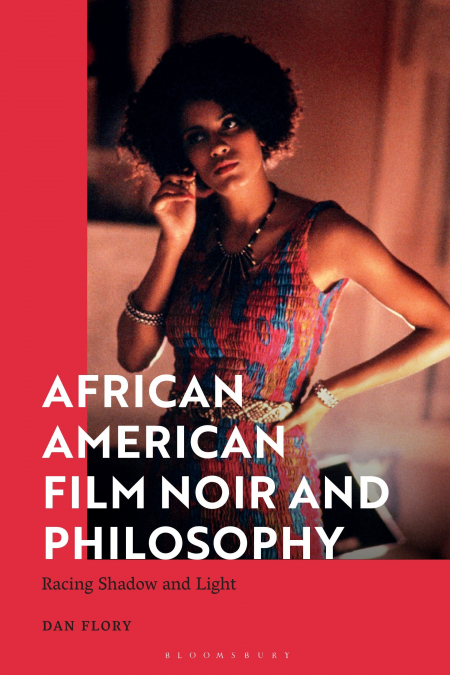
How have feelings, presumptions, and preconceptions concerningracialized Blackness intersected with film noir? Dan Flory relies onrecent advances in philosophy of film, philosophy of emotion, cognitivefilm theory, and critical philosophy of race to guide his analyses of thiswell-known film genre.Making sense of techniques, themes, and characterizations filmmakers haveused in order to structure movies into film noirs, Flory focuses on thoseviewer responses that are not consciously registered by higher-level formsof cognition. He argues that embodied, affective, and implicit reactions arekey to understanding how film noir typically conveys ideas, feelings, andperspectives concerning race.Noir films by African American and other artists have frequently soughtto elicit such embodied responses, rendering their investigation vital.In many cases, these artists have created works that aim, either explicitlyor implicitly, to function as philosophy by generating serious thoughtfulreflection. By using advances from these theoretical subfields in conjunctionwith developments in mainstream, African American, and other kinds offilmmaking, Flory elucidates many under-analyzed dimensions of noir filmsand their intersection with racialized Blackness. Aiming to both diagnoseas well as seek ways to overcome sociopolitical problems concerning anti-Blackness, Black invisibility, and the epistemic injustices they generate, Floryargues that these films help to pave the way for revolutionary moral change.