Amel Labidi / Lamia Mansour / Mohamed Ben Yaala
 Librería Samer Atenea
 Kálamo Books
 Librería Elías (Asturias)
 Librería Kolima (Madrid)
 Librería Proteo (Málaga)
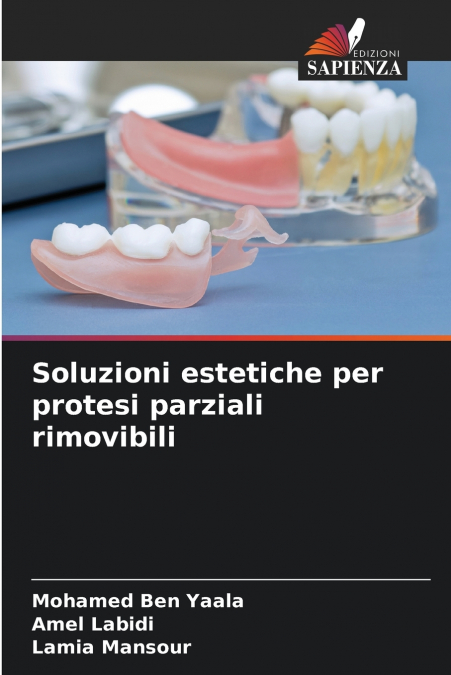
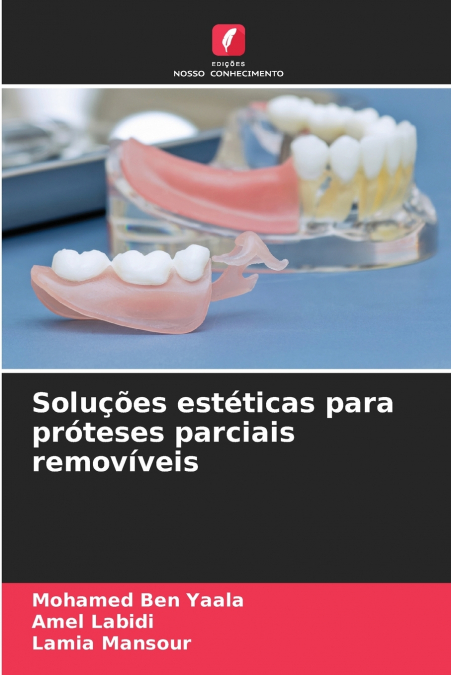
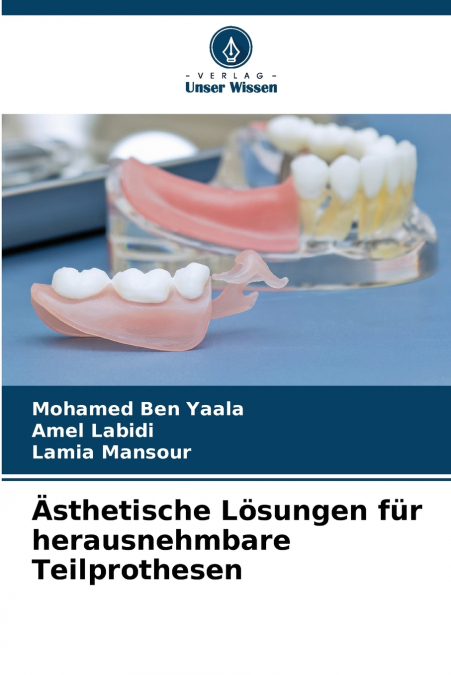
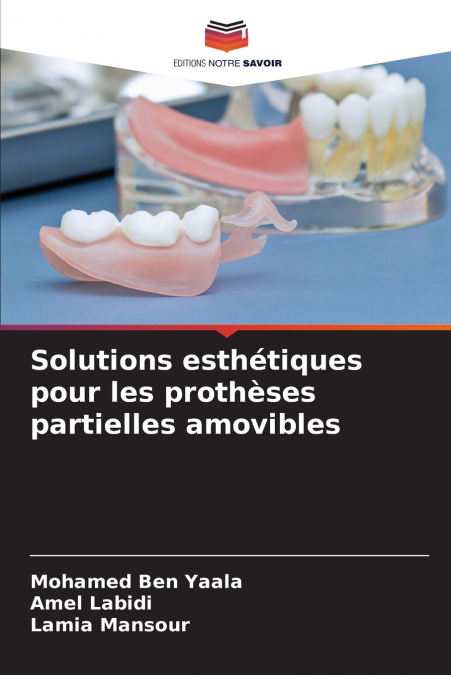
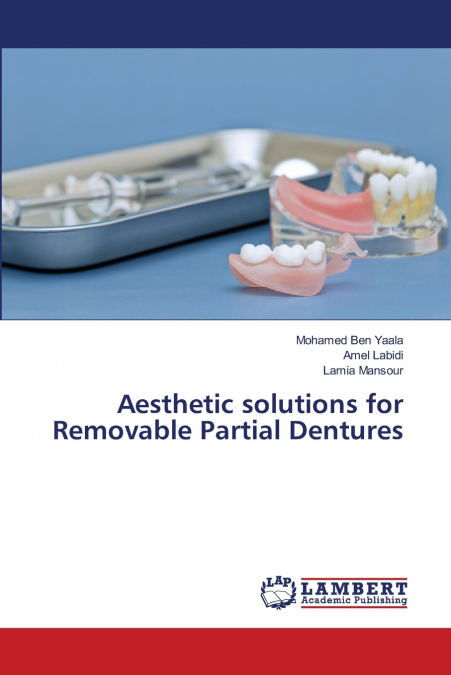
Tooth loss is not a physiological consequence of aging; it remains common among older adults and may have significant functional, biological, aesthetic, and psychosocial consequences. Tooth loss and subsequent alveolar ridge resorption can alter facial contours, reduce soft-tissue support, and impair masticatory efficiency. In this context, prosthetic rehabilitation plays an essential role not only in restoring oral function but also in improving facial aesthetics, self-confidence, and social interactions. Contemporary patients have increasingly high aesthetic expectations, making the natural integration of prosthetic restorations an important determinant of treatment success. Removable partial dentures (RPDs) remain a conventional and effective treatment option for partially edentulous patients. However, the visibility of metal clasps, particularly in the anterior region, represents one of their major aesthetic limitations. The aesthetic design of an RPD extends beyond the selection of artificial teeth. This work discusses various solutions and devices that can enhance the aesthetic integration of RPDs while maintaining their their functional and biomechanical requirements.